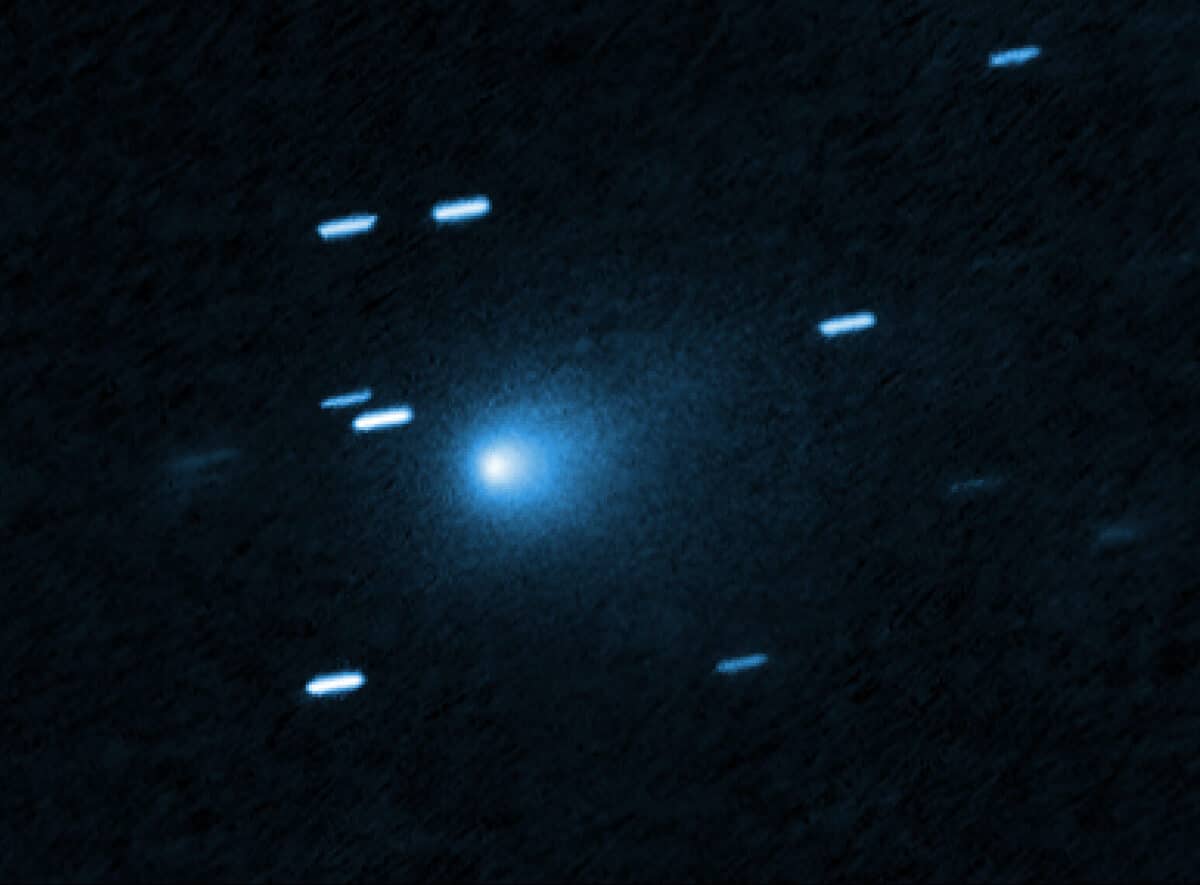
3I/ATLAS Type post Author Denyse O’Leary Date November 13, 2025 CategoriesAstronomyPlanetology Tagged , artificial intelligence, arXiv, astrobiology, astronomers, Avi Loeb, Big Think, Columbia University, David Kipping, extraterrestrial life, George Gaylord Simpson, Medium, technology, UFOs, Voyager spacecraft Astrobiology as a Secular Quest for Meaning Denyse O’Leary November 13, 2025 Astronomy, Planetology 7 I don’t think this stuff does any harm — as long as it is understood as drama and not given undue importance in science or philosophy. Read More ›
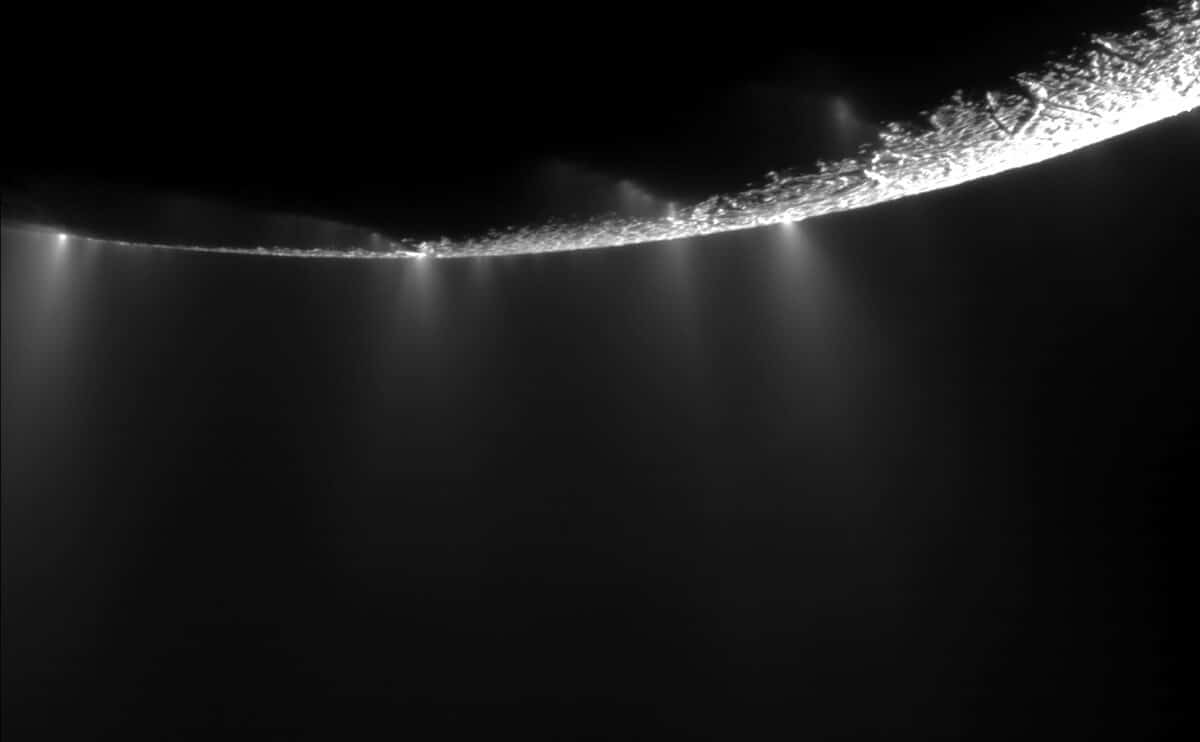
Enceladus_geysers_June_2009 Type post Author David Coppedge Date August 12, 2024 CategoriesIntelligent DesignPhysical Sciences Tagged , astrobiologists, astrobiology, atmosphere, Cassini mission, Enceladus, Eric Hedin, geysers, habitability, intelligent design, iron, Isaac Newton, Johannes Kepler, magnetic field, Mars, Michael Denton, Saturn, Science Advances, temperature, Titan, Voyager spacecraft, Yellowstone Enceladus as a Habitability Test David Coppedge August 12, 2024 Intelligent Design, Physical Sciences 9 High up on the astrobiologists’ bucket list for further exploration is a little moon of Saturn. How lively could it be at Enceladus? Read More ›
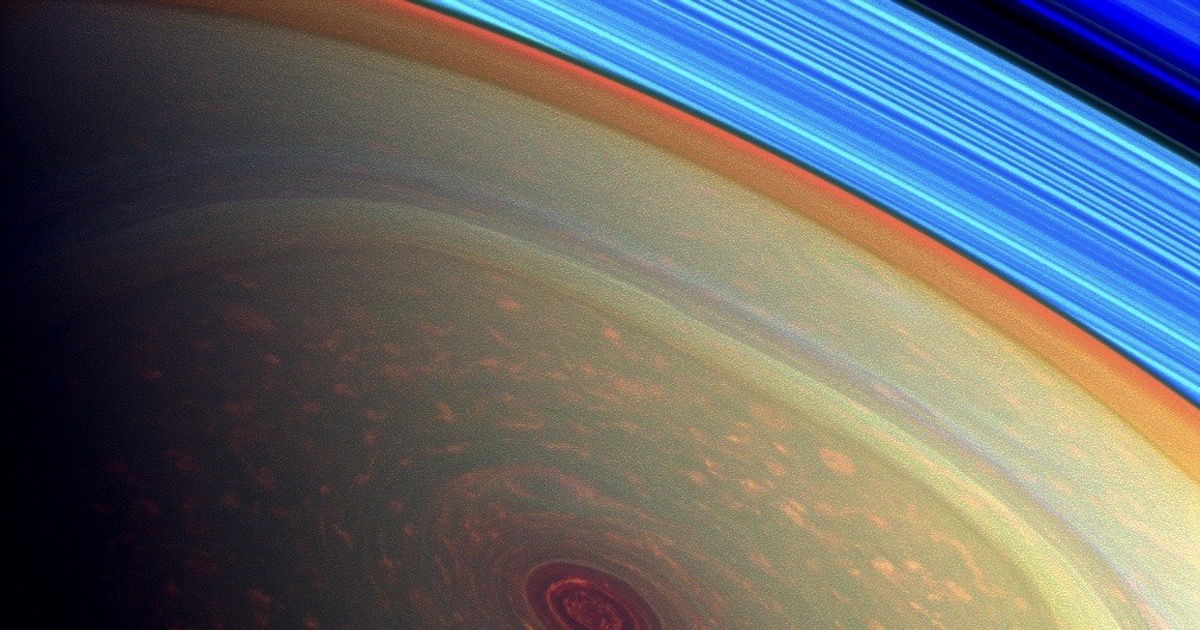
Saturn’s North Pole hexagon Type post Author David Coppedge Date July 7, 2022 CategoriesIntelligent DesignLife SciencesPhysical Sciences Tagged , atoms, beauty, bees, Casey Luskin, Cassini mission, design filter, hexagons, intelligence, intelligent design, Ireland, Jupiter, natural laws, physicists, Saturn, snowflakes, Voyager spacecraft, William A. Dembski Applying the Design Filter to Hexagons David Coppedge July 7, 2022 Intelligent Design, Life Sciences, Physical Sciences 9 The hexagon on Saturn performs no function. Columnar basalt doesn’t say anything. Snowflakes don’t carry a message. They are mere emergent phenomena. Read More ›
C. S. Lewis Type post Author David Coppedge Date April 12, 2022 CategoriesIntelligent DesignPhysical Sciences Tagged , artificial intelligence, Cambridge University, chess, Darwinism, intelligent design, Jet Propulsion Laboratory, John West, Martin Rees, SETI, Stephen Hawking, The Magician's Twin, Voyager spacecraft C. S. Lewis Unmasks the Pretensions of SETI David Coppedge April 12, 2022 Intelligent Design, Physical Sciences 8 How can METI / SETI advocates repudiate intelligent design while depending on the design inference for their work? Read More ›
crop circles Type post Date September 29, 2017 CategoriesIntelligent DesignPhysical Sciences Tagged , __edited, complex specified information, design filter, extraterrestrials, geometry, math, Saturn, SETI, thought experiment, Titan, volcano, Voyager spacecraft, William A. Dembski The Search for Terrestrial Intelligence – An Exercise in Intelligent Design Science & Culture September 29, 2017 Intelligent Design, Physical Sciences 8 Let’s turn the SETI telescope around. Would extraterrestrials be justified in inferring ID from patterns on the earth? Read More ›