
















Science and Culture Today Discovering Design in Nature
Topic

probabilities

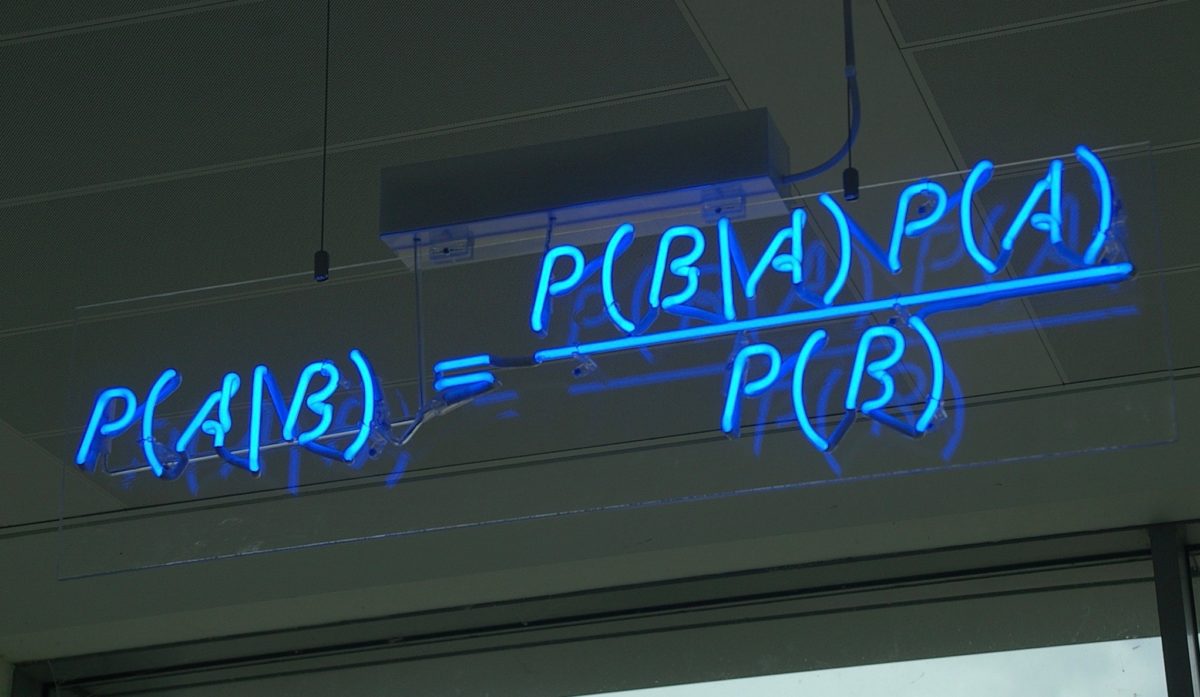
Bayes'-Theorem
Photo: Bayes' Theorem, by mattbuck (category) / CC BY-SA (https://creativecommons.org/licenses/by-sa/2.0).

When Building Our Case for Intelligent Design, How Should We Think About Prior Probability?
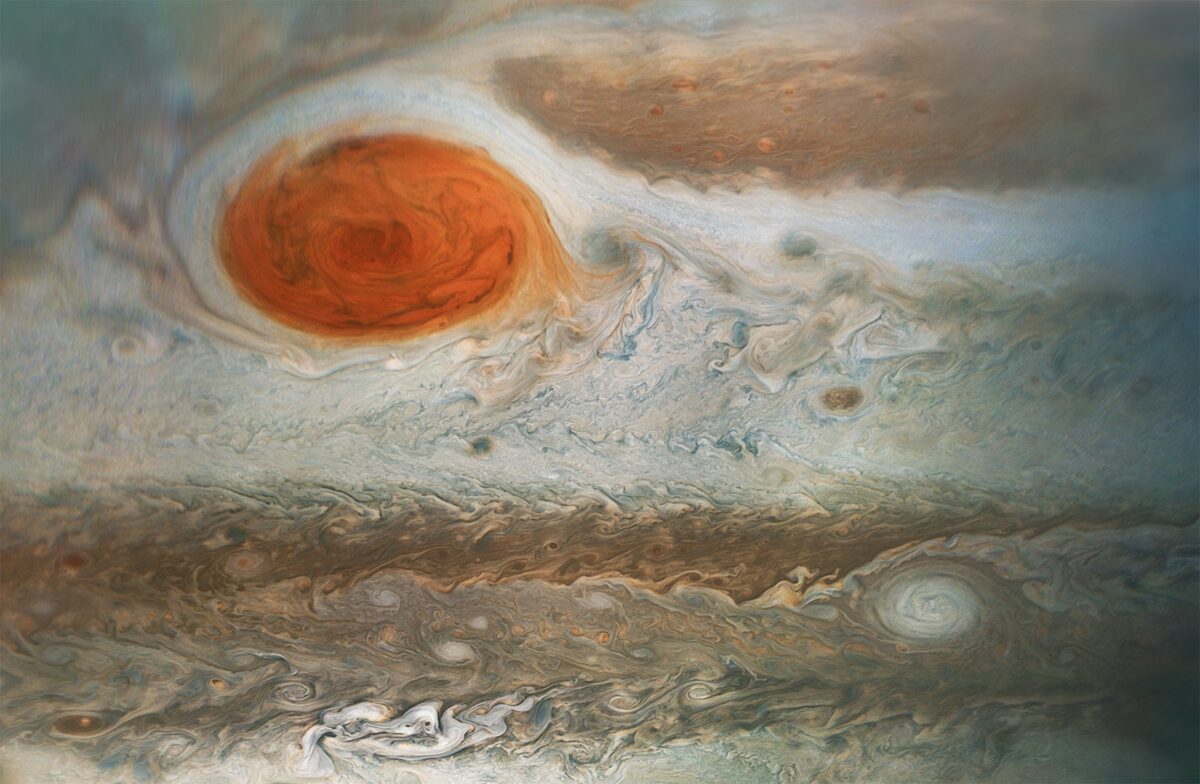
Bayes’s theorem is a tool for modeling our evaluation of evidences to appropriately apportion the confidence in our conclusions to the strength of the evidence. Read More ›
Jupiter
Photo credit: NASA/JPL-Caltech/SwRI/MSSS/Gerald Eichstädt/Seán Doran.

Considering the Fine-Tuning Argument from Probabilities

Many authors formulate the fine-tuning argument using probabilities and Bayesian analysis (e.g., Swinburne, Collins, Roberts, Barnes). Read More ›
moon
Photo credit: NASA.

Examining the Fine-Tuning Argument by Elimination
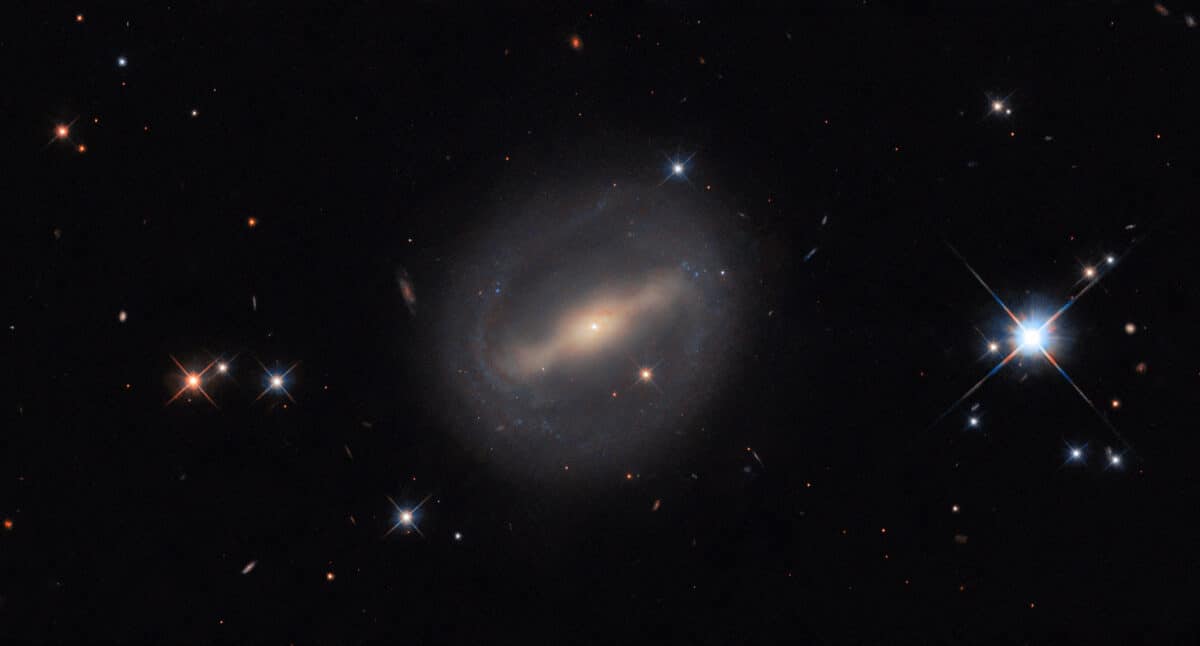
In his article “Has the Multiverse Replaced God?” William Lane Craig presents the fine-tuning argument using the process of elimination. Read More ›
Ringsandthings
Photo credit: Image Credit: ESA/Hubble & NASA, I. Chilingari.

Three Ways to Formulate the Fine-Tuning Argument: An Introduction
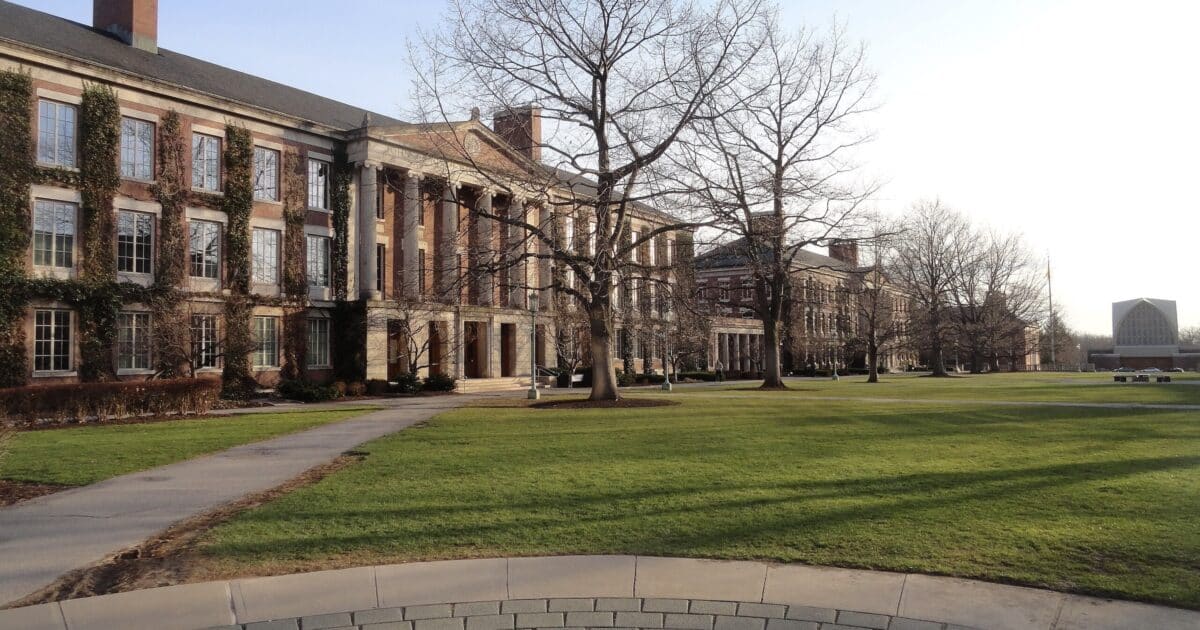
At the heart of fundamental physics are the laws of nature. These laws govern the interactions between fundamental particles. Read More ›
University of Rochester
Photo: University of Rochester, by Ktr101, CC BY-SA 3.0 <https://creativecommons.org/licenses/by-sa/3.0>, via Wikimedia Commons.

Leveraging the Design Inference for Effectively Falsifying Data

The academy raises generation after generation of inept data falsifiers who embrace the foolish naiveté that their shenanigans are immune to discovery. Read More ›
biosphere
Image credit: fir0002 flagstaffotos [at] gmail.com Canon 20D + Tamron 28-75mm f/2.8, GFDL 1.2, via Wikimedia Commons.

Astrobiologists Offer an “Information-Based View of the Biosphere”
Even if their estimates need to be revised by a terabase or two someday, they have made it clear that our biosphere is awash in information. Read More ›
Epicurus
Photo: Epicurus, in The Louvre, by Sting, CC BY-SA 2.5 <https://creativecommons.org/licenses/by-sa/2.5>, via Wikimedia Commons.

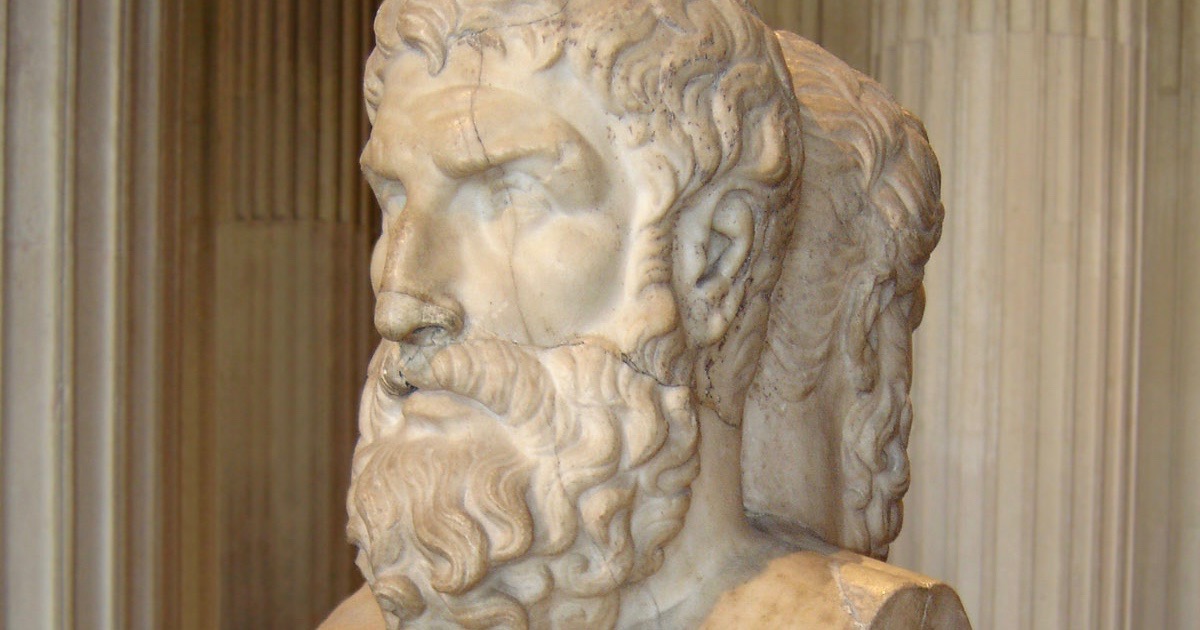
Is Epicurus Smiling?

Eugene Koonin pointed out that any abiogenesis scenario requires a cosmological background theory against which any local event probabilities must be evaluated. Read More ›
Sophia the Robot
Photo credit: Sophia the Robot with Mukhisa Kituyi, Secretary-General of United Nations, by UNCTAD, CC BY-SA 2.0 <https://creativecommons.org/licenses/by-sa/2.0>, via Wikimedia Commons.

Marks: Human Exceptionalism in a World of AI

“Ever wonder whether computers will one day be capable of doing everything that human beings can?” Read More ›
hawk eye
Photo: A hawk's eye, by abrinsky via Flickr (cropped).

Rosenhouse’s Whoppers: Probability Theory Is Irrelevant

If you deny that probabilities apply to a physical process, you’ve abjured science — you no longer have a scientific theory. Read More ›
Plasmodium falciparum
Photo: Plasmodium falciparum, by Dr Graham Beards, CC BY-SA 4.0 <https://creativecommons.org/licenses/by-sa/4.0>, via Wikimedia Commons.

Evolution With and Without Multiple Simultaneous Changes

Darwinism is committed to evolution happening gradually, one step at a time, by single mutational changes. Read More ›

© Discovery Institute