
Science and Culture Today Discovering Design in Nature
Topic

asteroids

Screenshot-2026-05-26-at-124445PM-2
Image source: Discovery Institute.

Applying Scientific Method to the Origin of Life Yields Shaky Results

Scientists are not, or should not be, tabloid headline writers. They should only make claims that are strongly supported by evidence. Read More ›
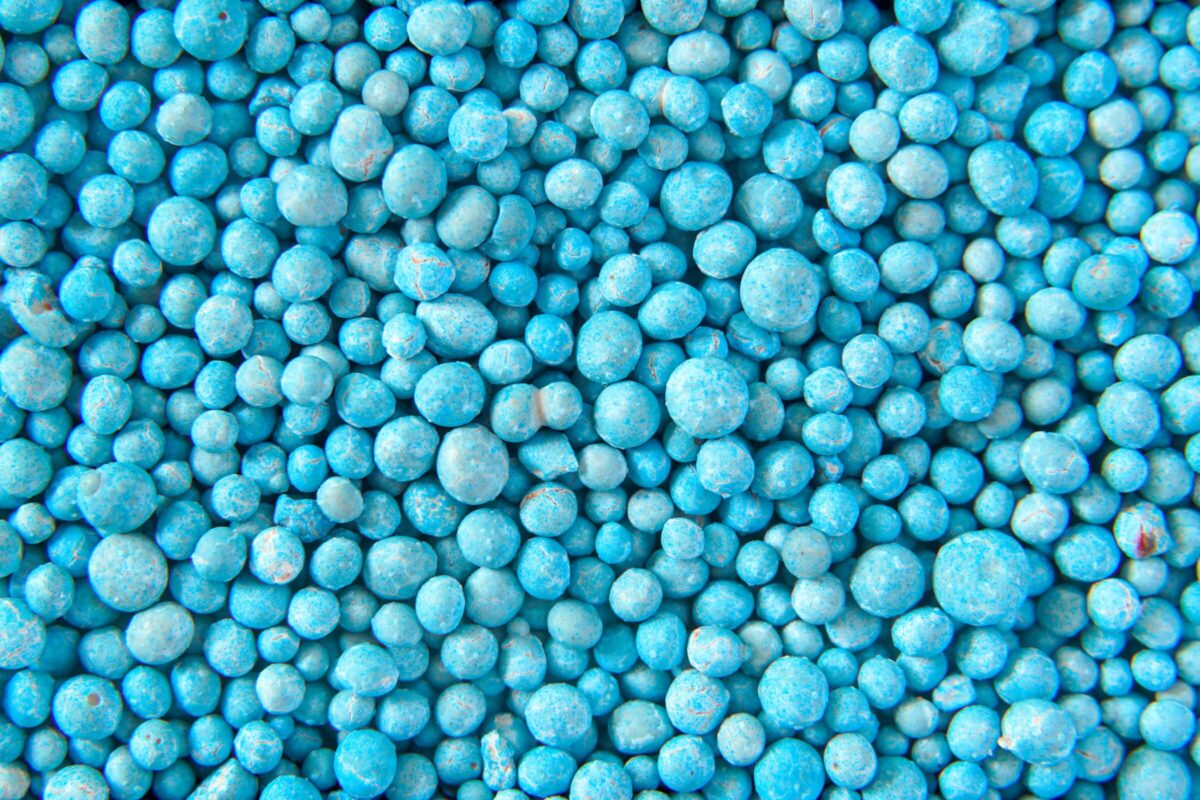
fertilizer
Image Credit: ronnachaipark - Adobe Stock.

Here We Go Again: For Complex Life, Just Add Fertilizer
You may have all the ingredients you want, in the right quantities, but without a builder, nothing functionally complex will emerge. Read More ›
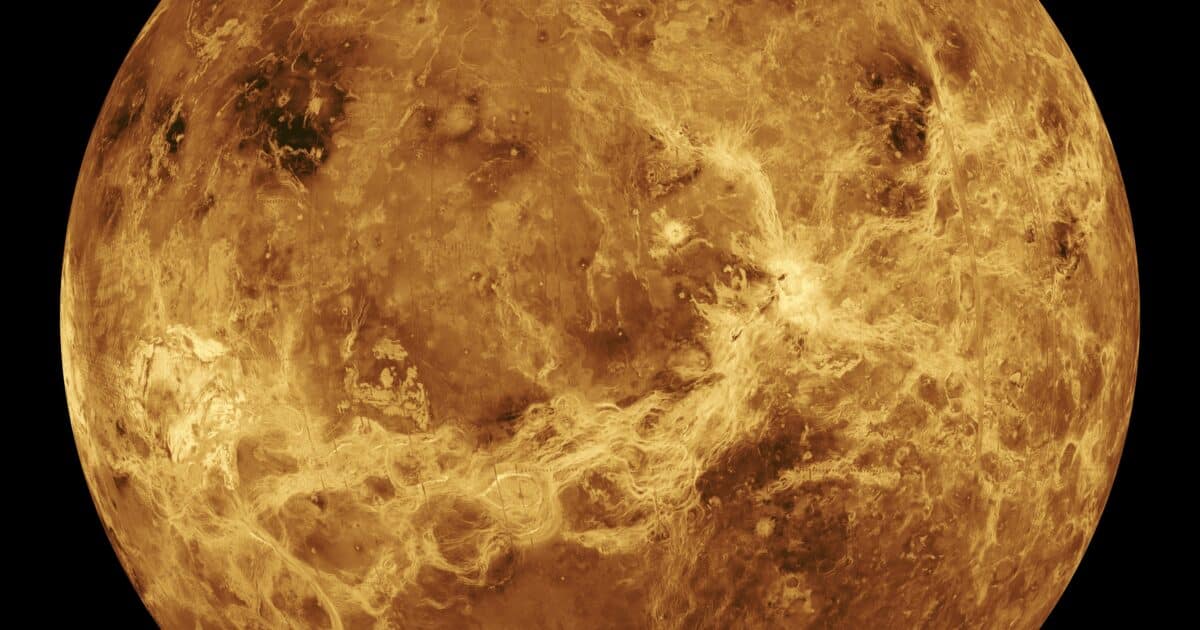
Venusglobe
Photo: Venus, by NASA/JPL, Public domain, via Wikimedia Commons.

Geometric Design in the Solar System

My favorite example of such geometric design arises from the mean orbits of our innermost two planets, Mercury and Venus. Read More ›
consciousness
Image licensed via Adobe Stock.

Consciousness BEFORE Life? These Scientists Say Yes
One key way life differs from non-life is that life forms have goals. For example, the amoeba seeks to protect itself. Read More ›
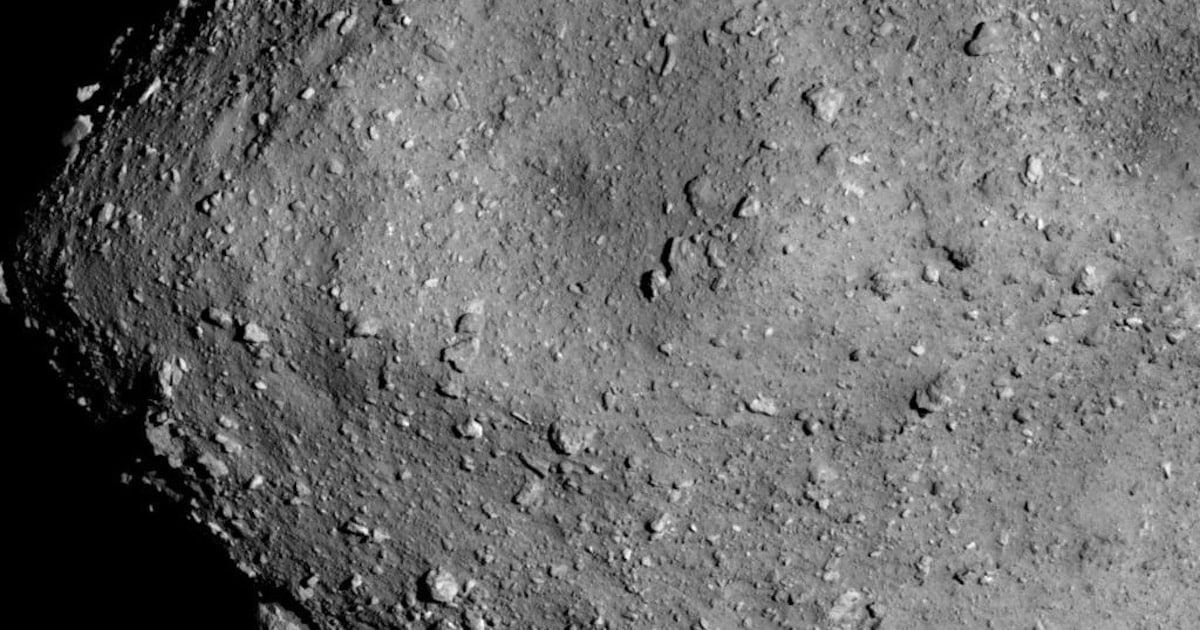
Ryugu
Photo: Asteroid Ryugu, by Stuart Rankin, via Flickr (cropped).

Uracil Discovered on Asteroid Ryugu — What Does It Mean for the Origin of Life?

These Ryugu samples appear to be our first chance to examine which organic compounds may be produced in a prebiotic setting in our solar system. Read More ›
shower
Photo credit: ID 955169, via Pixabay.

Frontiers of ID: Microscopic Ecologies
Public health lecturer James Hamblin at Yale decided to go without showers — for five years! Read More ›
Sputnik 1
chance
Photo: A reproduction of Sputnik 1, an artificial satellite, National Air and Space Museum, by NSSDC, NASA [Public domain], via Wikimedia Commons.

Crying “Chance, Chance” When There Is No Chance

Note the artfully deployed passive voice. One-way traffic “was finally counteracted by the launch of the first artificial satellites.” Who counteracted it? Read More ›
Indian eclipse
eclipse
Photo: Total eclipse, photographed from Neem Ka Thana, Indian, 1995.

Solar Eclipses Still Inspire Science

The privileged position of our space platform allows for habitability, scientific discovery, and total solar eclipses. Read More ›

© Discovery Institute