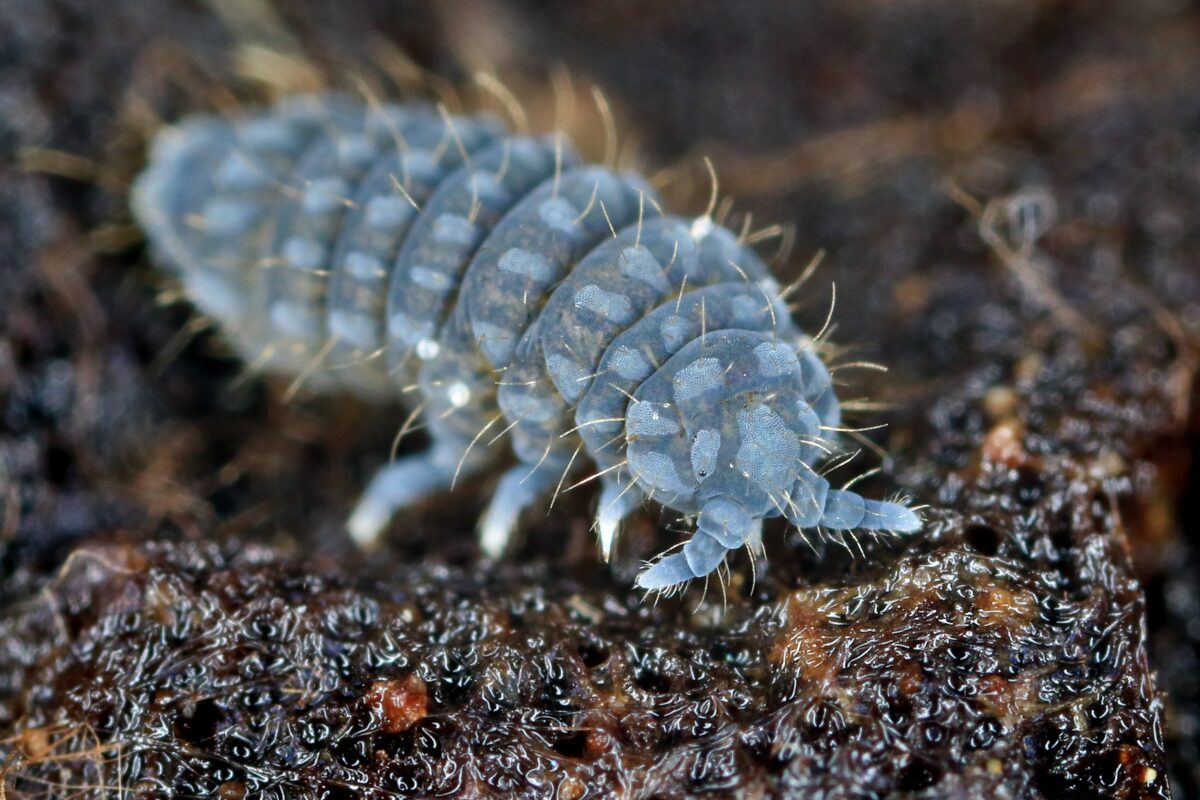
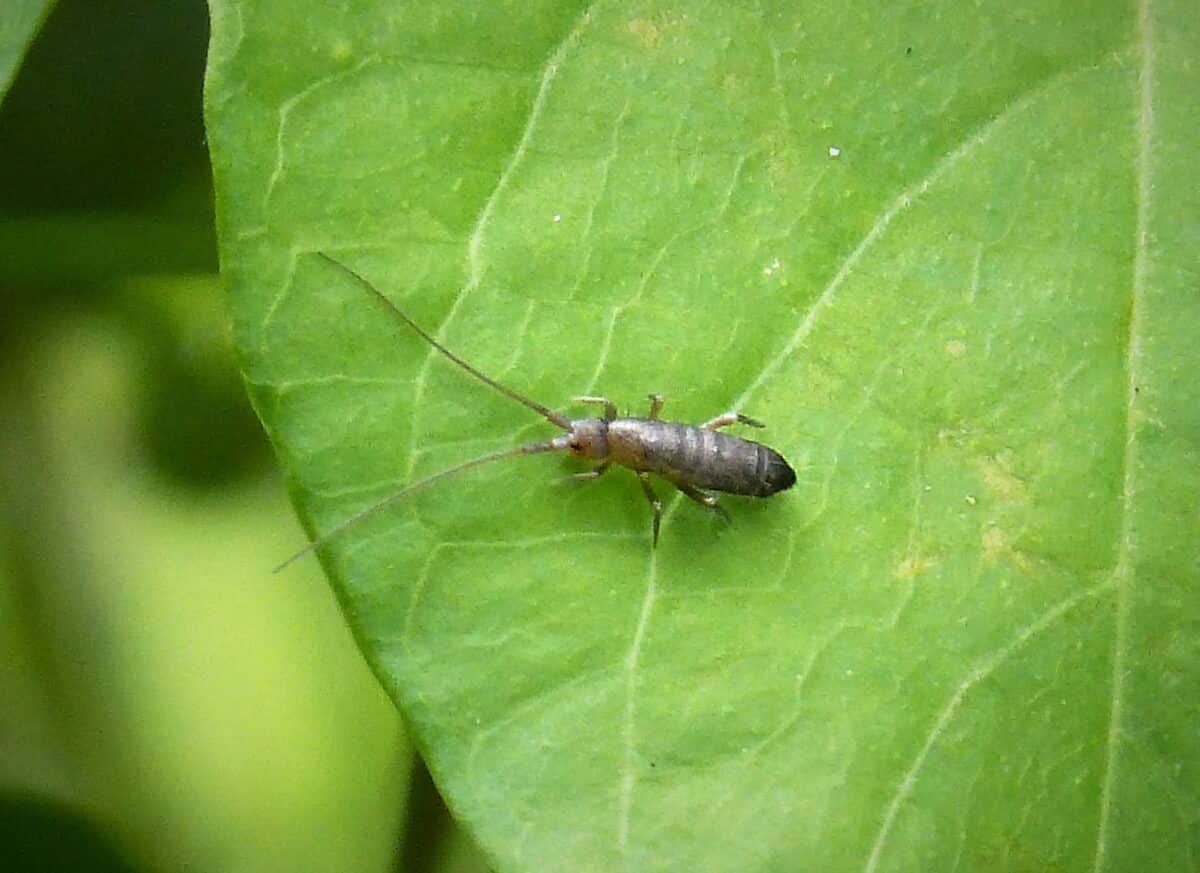
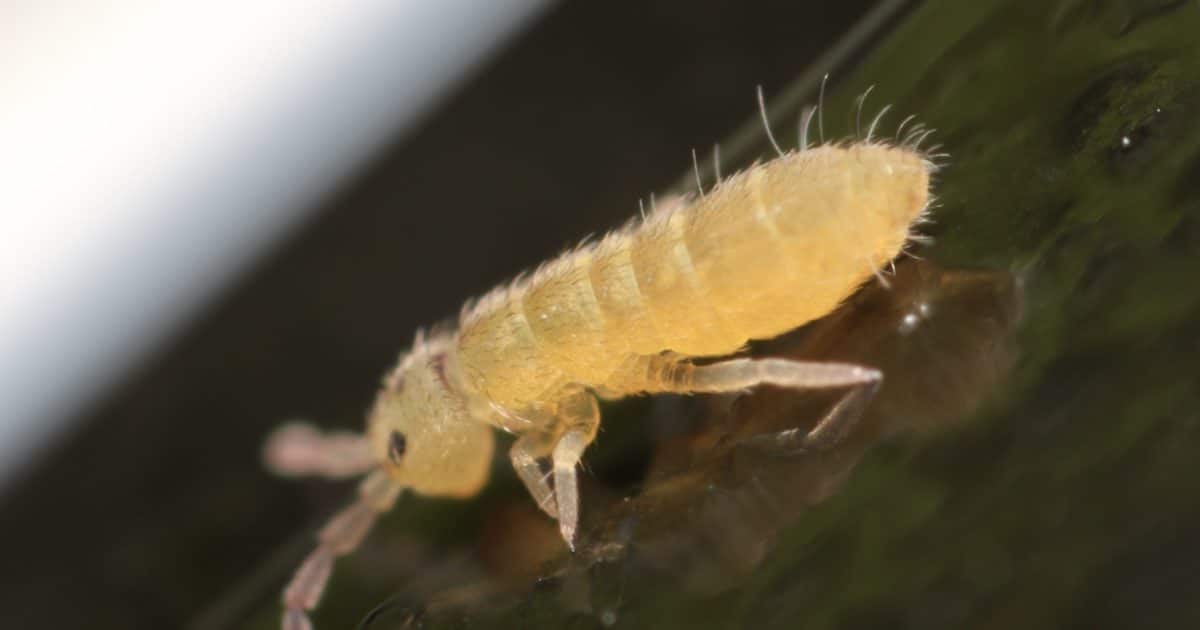
Deutonuramonticola-Flickr-PhilippeGarcelon Type post Author David Coppedge Date January 29, 2026 CategoriesEvolutionIntelligent DesignZoology Tagged , Adrian Smith, Ant Lab, Arthropoda, collophore, convergent evolution, Cyrille D’Haese, Darwin Devolves, Darwinism, deserts, dry deserts, engineers, evolution, evolutionists, fungus, furcula, Günter Bechly, gymnasts, habitats, Harvard University, ice deserts, intelligent design, Mark Stevens, Mollusca, mouthparts, rotting wood, science fair, sea slugs, Spain, springtails, stasis, Subterranean Biology, The Conversation, Zoological Journal of the Linnaean Society More to Love about Springtails, Those Adorable Gymnasts David Coppedge January 29, 2026 Evolution, Intelligent Design, Zoology 7 Does it have to be called an “evolutionary success” instead of a success? The word “evolutionary” performs no function. It is also contrary to the evidence. Read More ›
Springtail_Pogonognathellus_longicornis_(24907256347).jpg Type post Author David Coppedge Date March 3, 2025 CategoriesApplied SciencesEvolutionIntelligent Design Tagged , abortion, Animal Algorithms, bacterial flagella, Biomimetics, cable bacteria, centrioles, Current Biology, Darwinism, Discovery Institute Press, engineers, Eric Cassell, evolution, fetuses, Harvard University, intelligent design, Living Waters, mantis shrimp, materials science, Michael Behe, molecular machines, navigation, New Scientist, nose, PNAS, sea turtles, sophistication, springtails, super-resolution microscopy, University of North Carolina, University of Oldenburg As Science Observes, Talk of Evolution Fades David Coppedge March 3, 2025 Applied Sciences, Evolution, Intelligent Design 8 Another point worthy of note: the more sophistication that is found in biological engineering, the more scientists want to imitate it. Read More ›
springtail Type post Author David Coppedge Date December 5, 2022 CategoriesBiologyEvolutionIntelligent Design Tagged , Antarctica, Arthropoda, arthropods, Darwinism, etymology, evolution, Georgia Tech, imitation, insects, intelligent design, just-so stories, Latin, PNAS, Science Uprising, South Korea, springtails, Stanford University Springtails: Wingless Arthropods that Can Fly David Coppedge December 5, 2022 Biology, Evolution, Intelligent Design 10 The fossil record shows a “Hexapod Gap.” Unfortunately for Darwin, the two leading theories to explain the gap can be ruled out. Read More ›
shower Type post Date January 2, 2021 CategoriesBiologyIntelligent DesignMedicine Tagged , agriculture, asteroids, Cyanobacteria, Darwinists, ecosystems, Elizabeth Pennisi, fungi, intelligent design, Mars, microbes, microbiome, mites, Nature (journal), nematode, pathogens, protists, skin, soil, springtails, tardigrades, Yale University Frontiers of ID: Microscopic Ecologies Science & Culture January 2, 2021 Biology, Intelligent Design, Medicine 8 Public health lecturer James Hamblin at Yale decided to go without showers — for five years! Read More ›