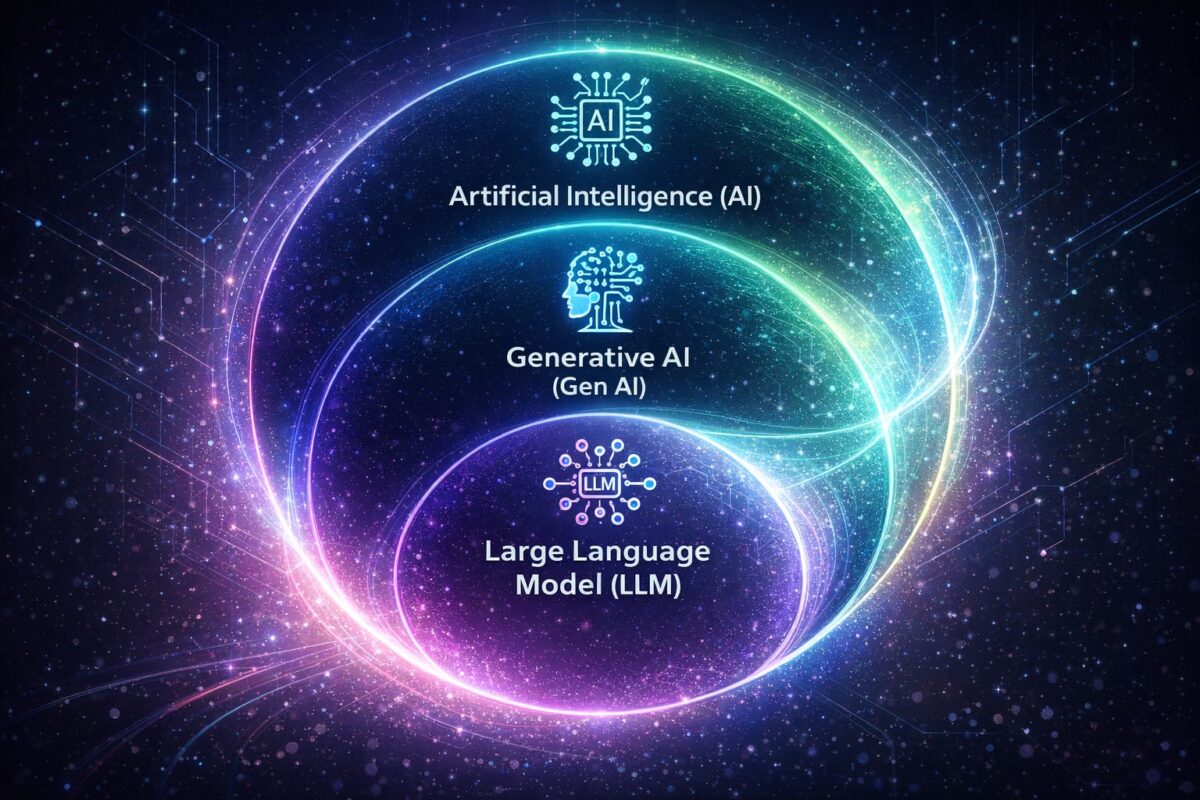
85283df4-0928-4a06-b25e-a75661826d721536x1024 Type post Author William A. Dembski Date January 8, 2026 CategoriesComputational SciencesScience EducationTechnology Tagged , [Un]Intentional, 1 Thessalonians, absolutism, Aristotle, artificial intelligence, Bible, Carl Rogers, ChatGPT, Christians, dopamine, Doug Smith, education, Edward Thorndike, Eighteenth Amendment, ELIZA program, Frederick Buechner, geography, history, Jacques Ellul, Jaime Escalante, Joseph Weizenbaum, Judeo-Christian tradition, large language models, Laurent Siklossy, liquor, Marshall McLuhan, math, mathematicians, Neil Postman, Open AI, Phillips Exeter Academy, programmed learning, Prohibition, Rogerian therapists, Sam Altman, software, St. Paul, Substack, technology, Turing test, William Jennings Bryan Against Anti-LLM and Anti-AI Absolutism William A. Dembski January 8, 2026 Computational Sciences, Science Education, Technology 39 Doug Smith has been a software developer for three decades. He writes extensively about the impact of technology on culture. Read More ›
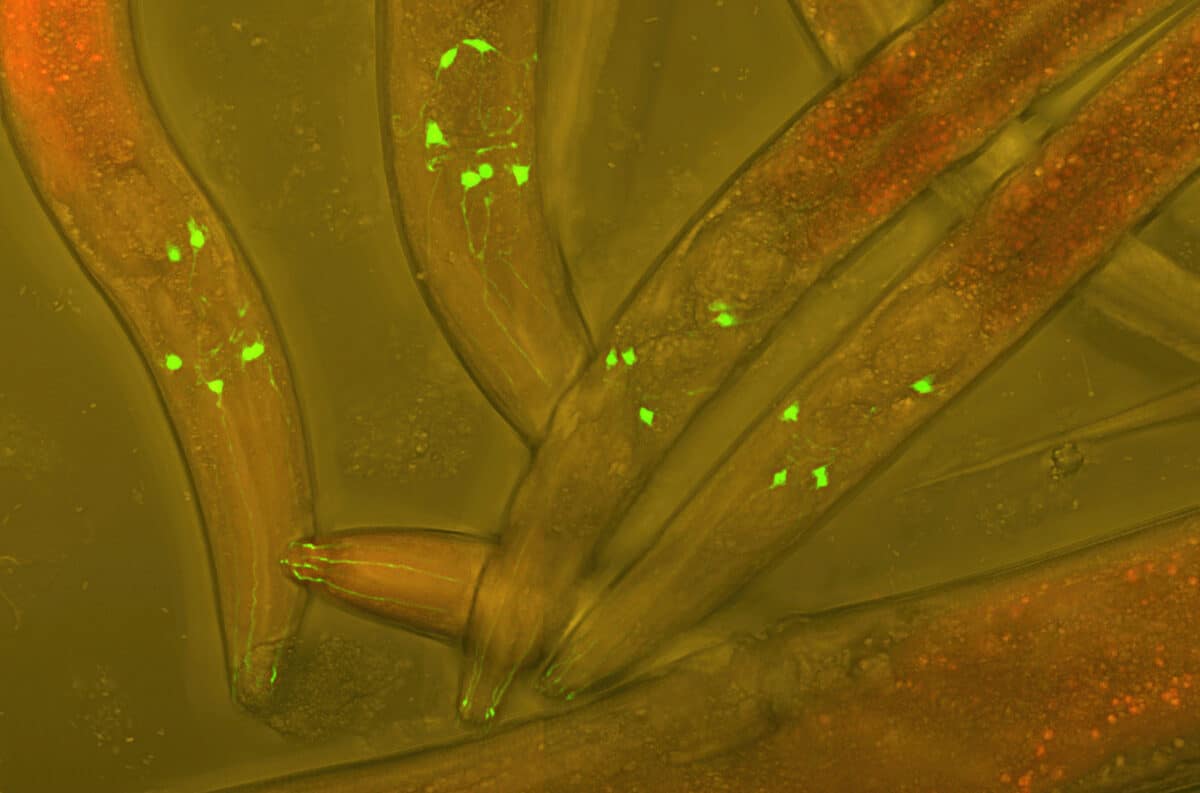
Varbuss Type post Author Eric Cassell Date March 14, 2025 CategoriesIntelligent DesignNeuroscience & Mind Tagged , animal behavior, brain, Caenorhabditis elegans, Darwinian evolution, directed evolution, dopamine, egg laying, evolution, fasting, information, intelligent design, Journal of Neurochemistry, learning, memory, motor neurons, movement, Nature (journal), nematode, Neural Networks, neurons, neuroscience, neurotransmitters, serotonin, synapses “Directed Evolution”: The Tiniest Brain Is Not Simple Eric Cassell March 14, 2025 Intelligent Design, Neuroscience & Mind 9 Even a cursory examination of the connectome shows the complexity of the brain, despite its tiny size. Read More ›
sleep Type post Author Eric Hedin Date December 12, 2023 CategoriesEvolutionIntelligent Design Tagged , amygdala, birds, brain, brainstem, dopamine, dreaming, Flight, hippocampus, Howard Glicksman, humans, insects, intelligent design, Irreducible Complexity, mammals, mice, neurotransmitters, reptiles, sleep, speed, Steve Laufmann, strength, thalamus, unconsciousness, wakefulness, Your Designed Body Sleep — Designed for Our Good Eric Hedin December 12, 2023 Evolution, Intelligent Design 8 The evolutionary mindset operates as a major obstacle to the scientific understanding of sleep. Read More ›
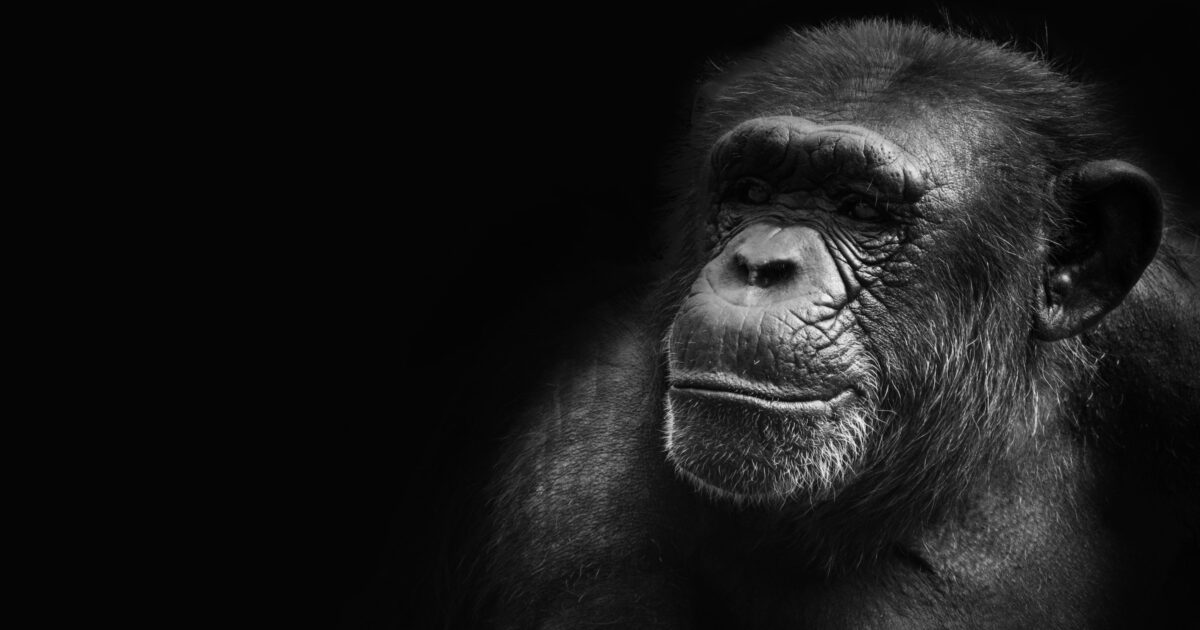
chimp Type post Date September 2, 2022 CategoriesLinguisticsNeuroscience & MindScienceScientific Reasoning Tagged , asymmetry, brain size, brains, chimpanzees, dopamine, FOXP2, humans, intelligence, memory, primates, speech, thinking, Yale University More Ways that Human and Ape Brains Differ Science & Culture September 2, 2022 Linguistics, Neuroscience & Mind, Science, Scientific Reasoning 3 Underlying the significant differences in brain — to say nothing of the vast difference in mind — is a genetic mystery. Read More ›
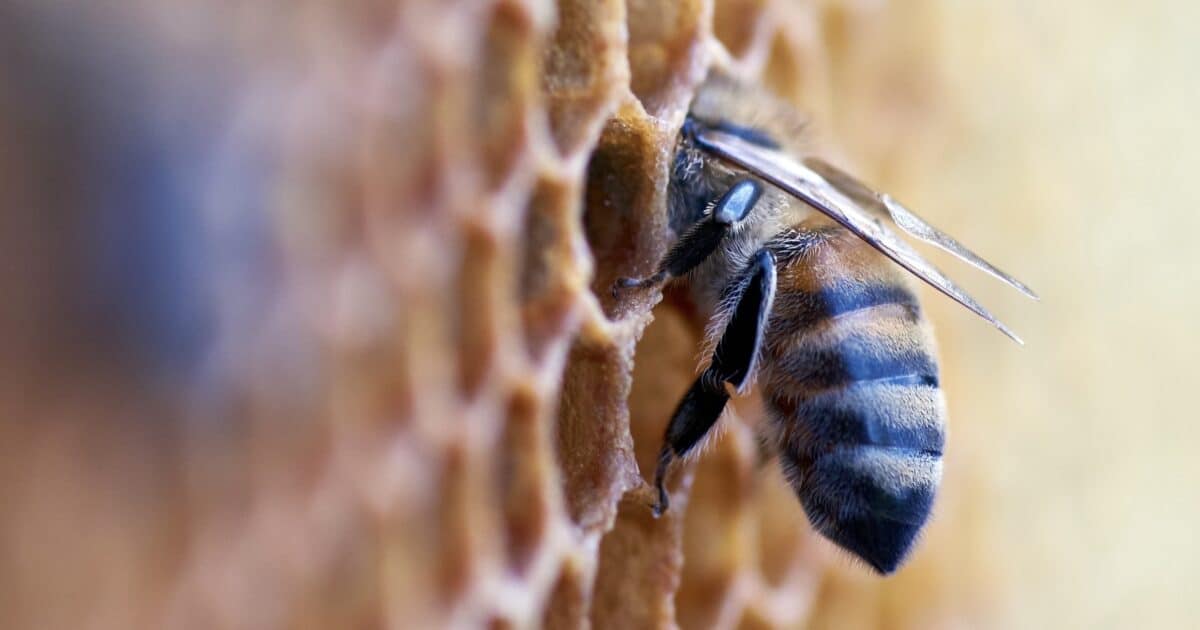
honey bee Type post Author Denyse O’Leary Date August 13, 2022 CategoriesNeuroscience & MindScience Tagged , BBC, bees, consciousness, Dogs, dopamine, intelligence, James Shapiro, Lars Chittka, materialism, New Scientist, panpsychism, Princeton University Press, sensations, The Scientist, University of Chicago, waggle dance What Is It Like to Be a Bee? Denyse O’Leary August 13, 2022 Neuroscience & Mind, Science 4 What, exactly, does “consciousness” or “feel and think” mean when applied to a bee? This usage is no remote outpost. Read More ›
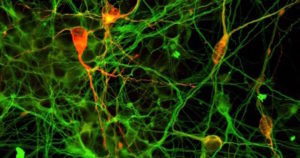
ヒトiPS細胞由来ドーパミン産生神経細胞 Human iPS cell-derived dopaminergic neurons Type post Author Wesley J. Smith Date August 31, 2017 CategoriesBioethicsMedicine Tagged , __k-review, adult stem cells, dopamine, embryos, Kyoto University, monkeys, neurons, Research, skin cells, stem cells Ethical Stem Cells Relieve Parkinson’s in Monkeys Wesley J. Smith August 31, 2017 Bioethics, Medicine 3 The advance of ethical stem cell research continues exponentially. Read More ›