







































Science and Culture Today Discovering Design in Nature
Topic

Smithsonian Magazine
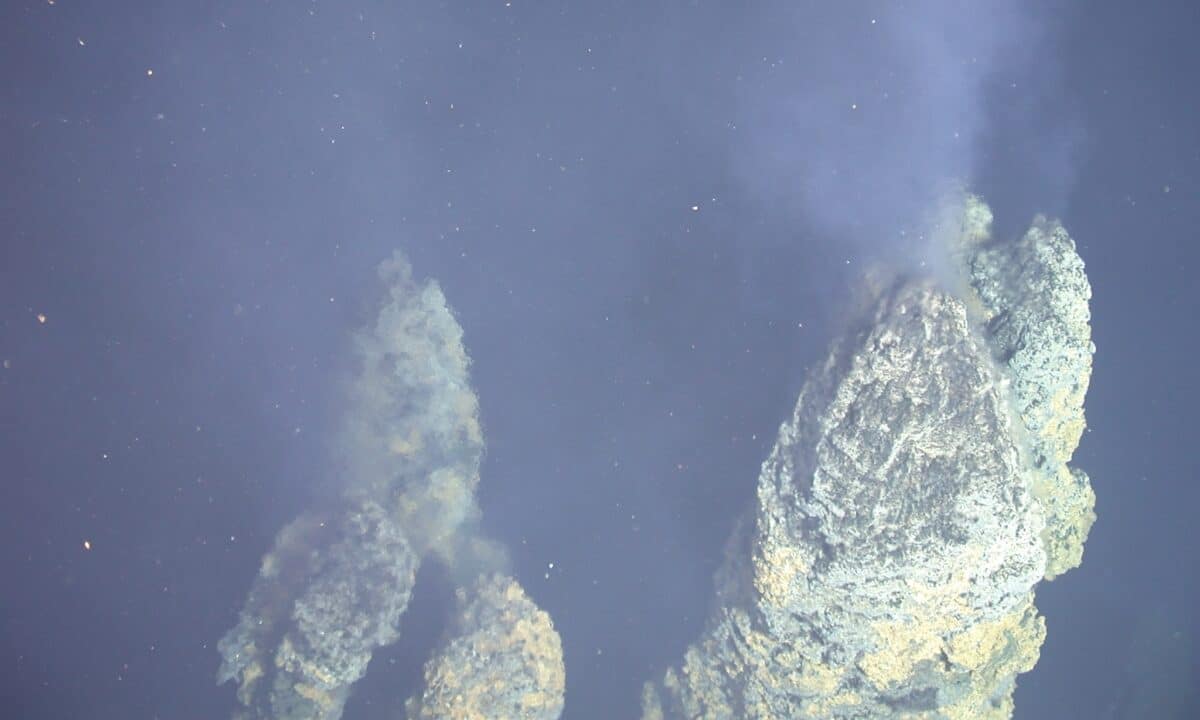
Expl1373-Flickr-NOAAPhotoLibrary
Photo: Active hydrothermal vent, courtesy of Submarine Ring of Fire 2006 Exploration, NOAA Vents Program., Public domain, via Wikimedia Commons.

Enzymes in Bacteria and Archaea Are So Dissimilar There Must Be “Two Origins of Life”
Don’t get distracted by wondering how the extreme heat near a vent (a toasty 750° F or more inside the vent) wouldn’t quickly break down organic molecules. Read More ›
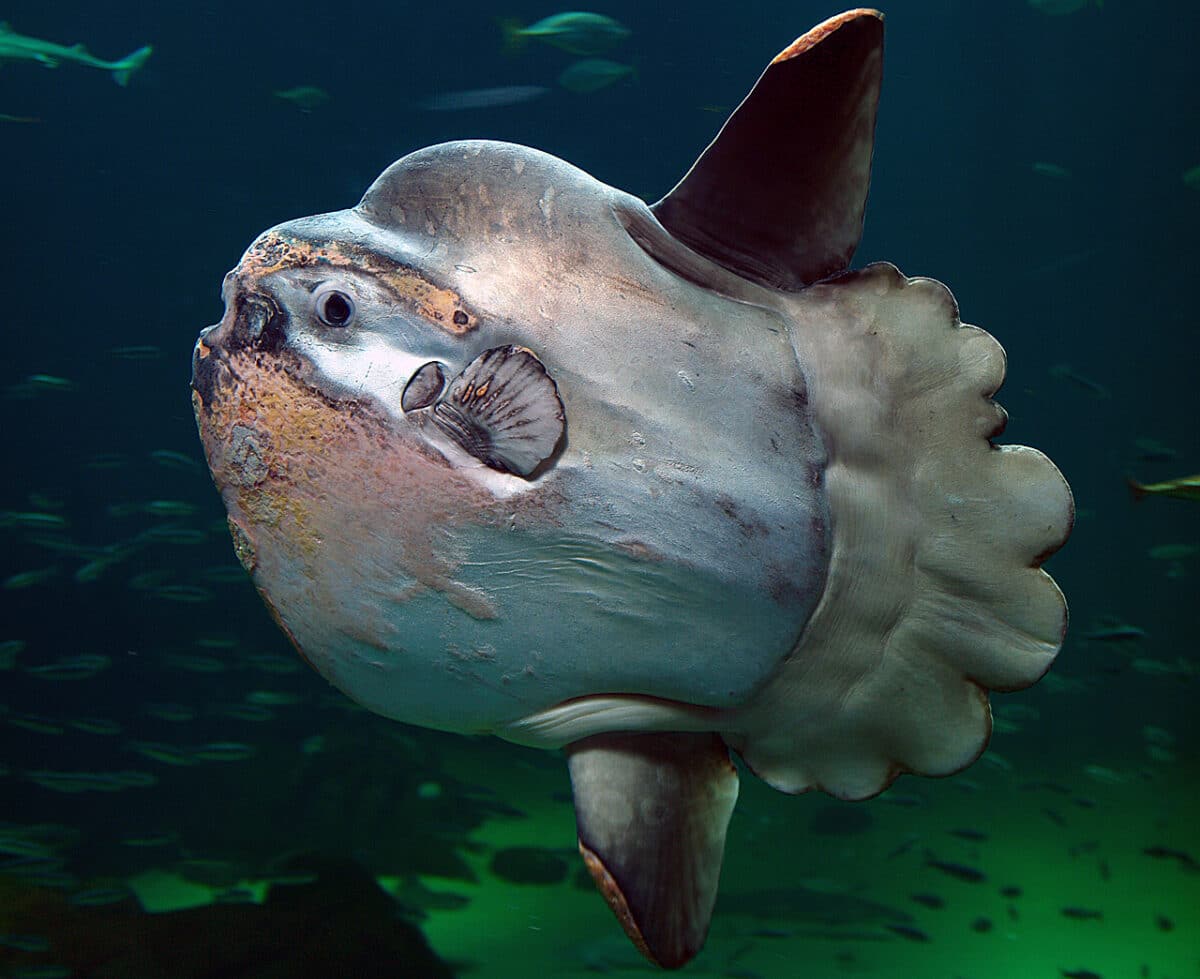
Sunfish2
Photo: Sunfish, by Per-Ola Norman, Public domain, via Wikimedia Commons.

When Orcas Play — With a Dead Sunfish
While the orcas’ sunfish-exploding behavior is remarkable, it is consistent, after all, with their reputation as the “wolves of the sea.” Read More ›
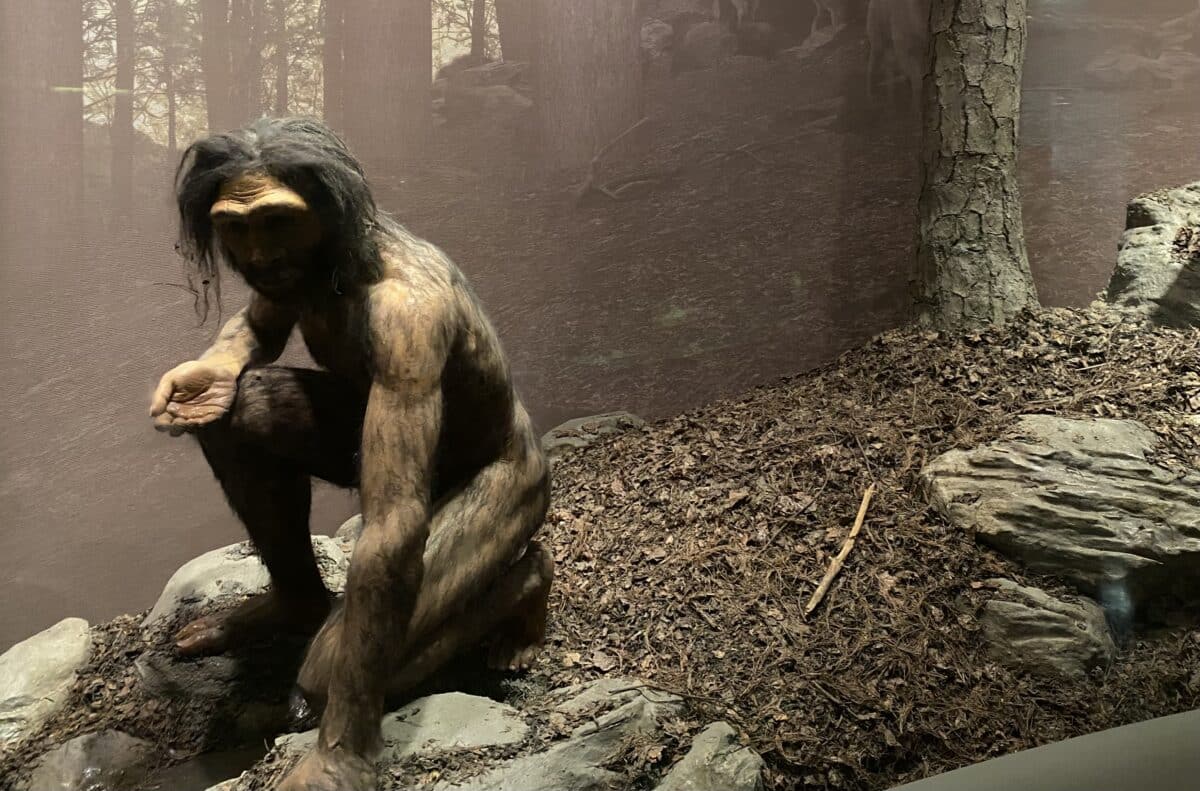
HomoerectusdioramaattheHallofHumanOriginsatAMNH
Photo: Homo erectus, American Museum of Natural History, by Ryan Schwark, CC0, via Wikimedia Commons.

It Was Technology, Not the Human Mind, that Advanced
At one time, we were encouraged to interpret ancient humans as a long, slow, Darwinian ascent of man. But maybe that didn’t really happen. Read More ›
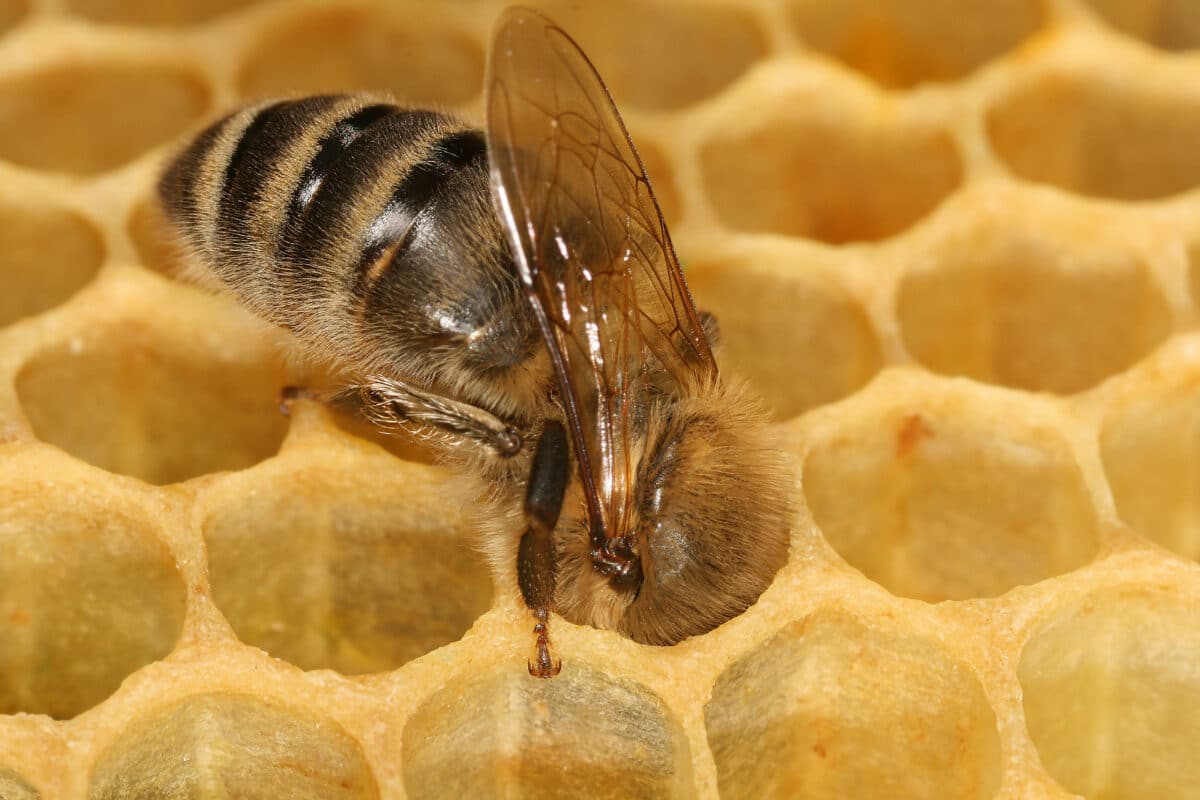
2560px-Apismelliferacarnicaworkerhoneycomb2
Photo credit: https://upload.wikimedia.org/wikipedia/commons/e/e3/Apis_mellifera_carnica_worker_honeycomb_2.jpg.

In Peru, Bees Are Granted the Right to Life
It is not as if nature or animals need to be granted rights in order to be protected robustly. Read More ›
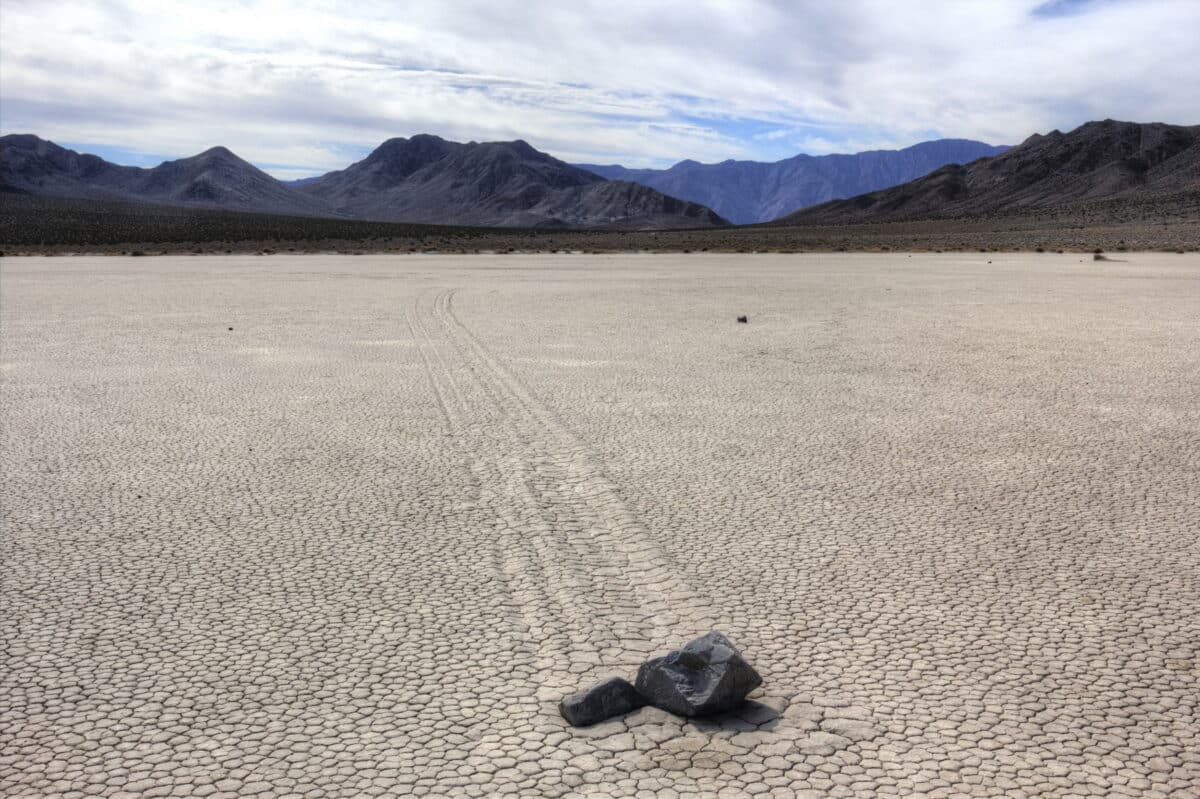
2014-10-DeathValley4x4-209-RacetrackPlaya-pmxsm
Photo credit: David Coppedge.

Is Geomimetics an Intelligent Design Science? Well, Yes and No
Biomimetics, the imitation of nature’s designs, clearly qualifies as an ID science. What about “geomimetics” — the imitation of geophysics? Read More ›
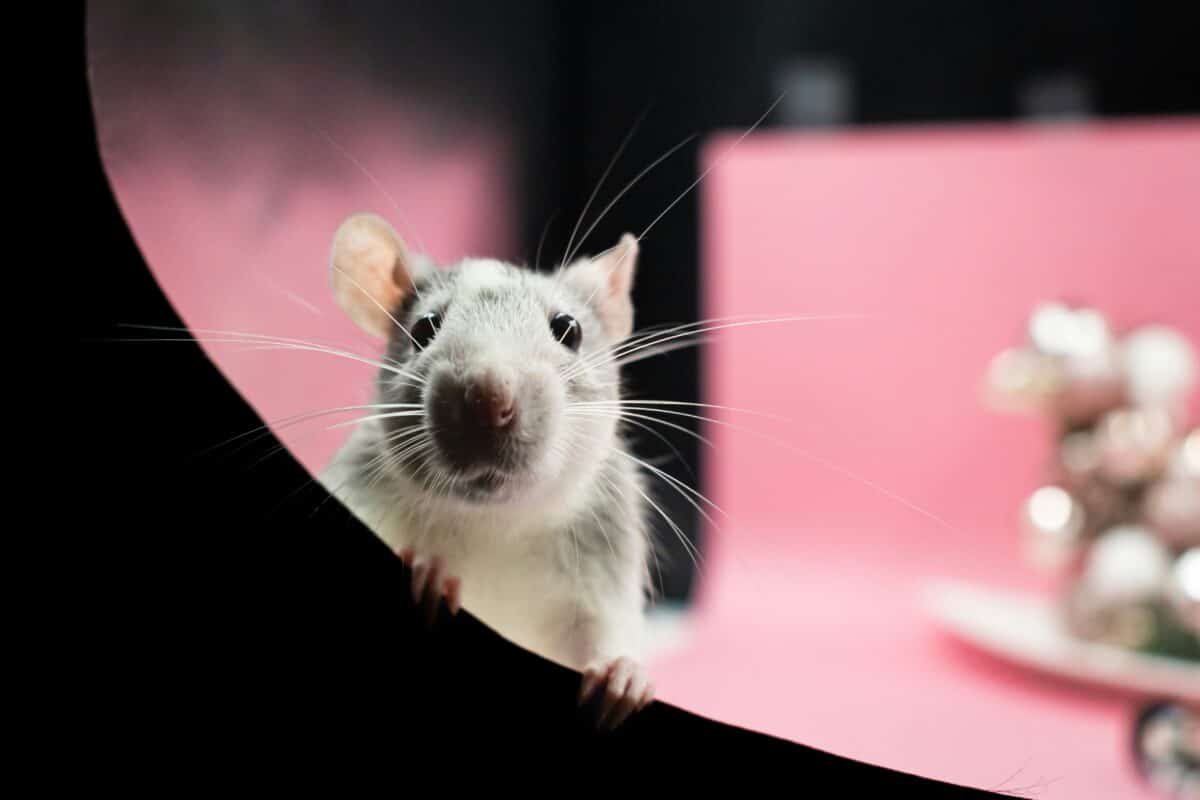
nikolett-emmert-73rNPikkaqY-unsplash
Photo credit: Nikolett Emmert on Unsplash.

Even a Mouse Brain Reveals Staggering Complexity
Mapping a small part of a mouse's brain required 1.6 petabytes of data, which is equivalent to 22 years of nonstop high-definition video. Read More ›
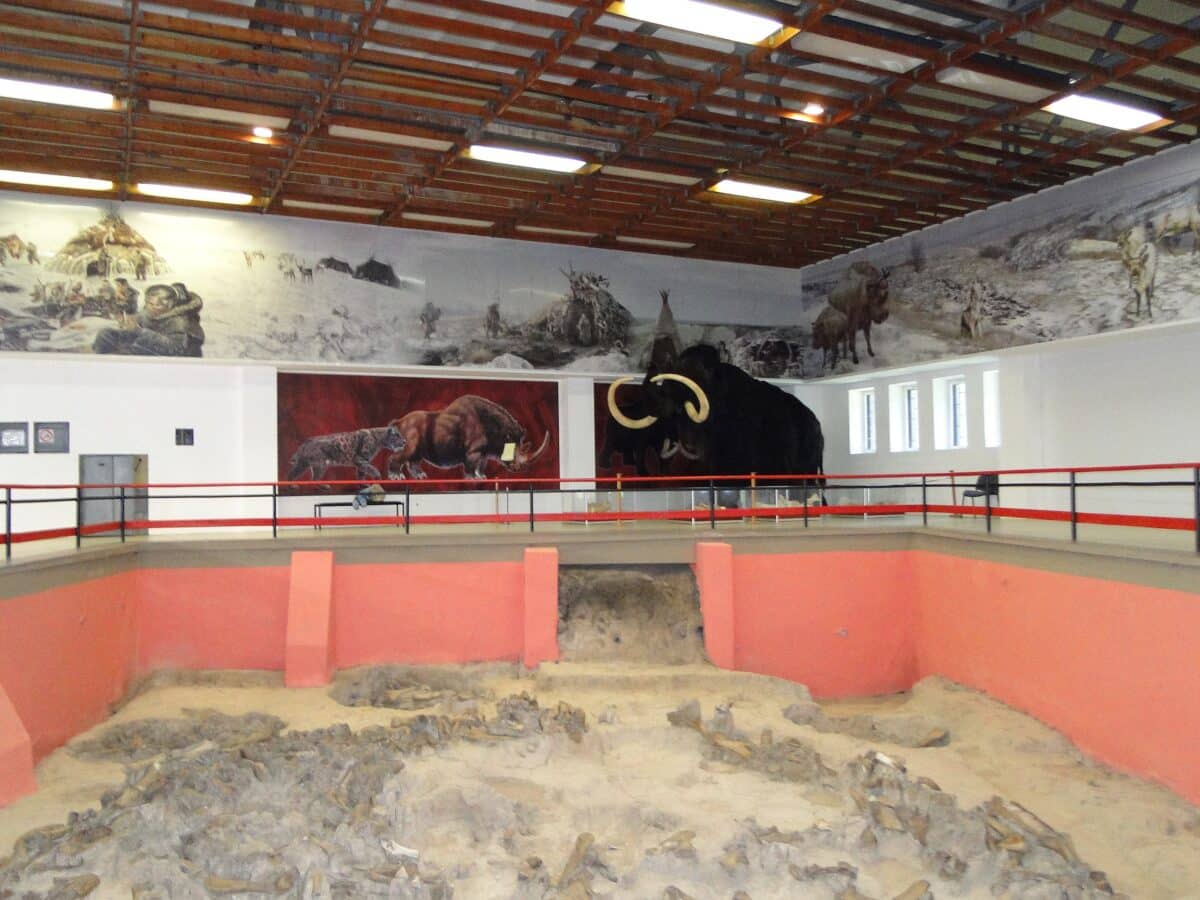
2560px-Государственный_археологический_музей-заповедник_Костенки._-_panoramio
Phot credit: Наталья Филатова, CC BY 3.0 <https://creativecommons.org/licenses/by/3.0>, via Wikimedia Commons.

Mammoth Bone Structure of 24,000 Years Ago Illuminates Stone Age
Science journalist Tibi Puiu notes, “It’s one of the most surreal ancient structures ever built — and it’s just one of over 70 found thus far.” Read More ›
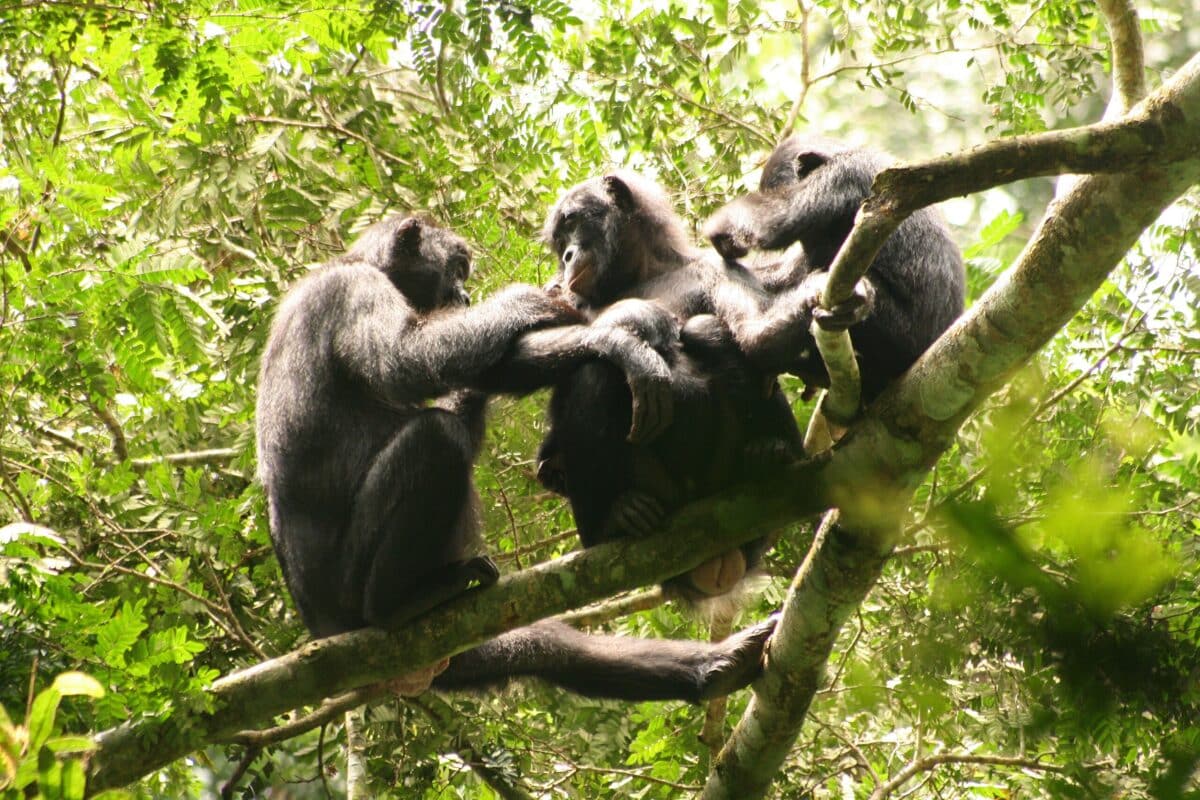
Grooming_de_Zoé
Photo credit: DBeaune, CC BY-SA 4.0 <https://creativecommons.org/licenses/by-sa/4.0>, via Wikimedia Commons.

As a Cudgel Against Human Exceptionalism, Researchers Push for Bonobo “Theory of Mind”
Is it true that “recognizing when someone else lacks information” has been thought to be a distinctly human trait? Read More ›
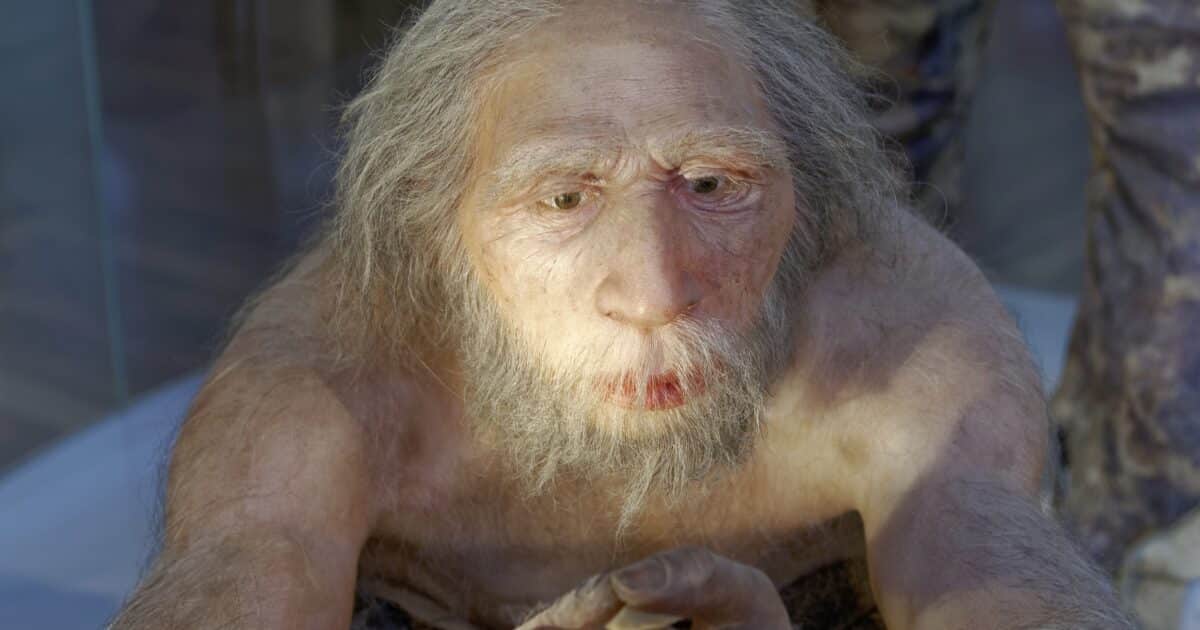
Homo_neanderthalensis,_The_Natural_History_Museum_Vienna,_20210730_1225_1277
Photo credit: Jakub Hałun, CC BY-SA 4.0 <https://creativecommons.org/licenses/by-sa/4.0>, via Wikimedia Commons.

Neanderthals Were a Lot More Like Humans than We Realize

There’s still much we don’t know and the evidence is sparse — due in part to the fact that Neanderthals probably had a relatively small overall population size. Read More ›
Arvid_Liljelund_-_Man_Singing_Hymn_-_A_I_187_-_Finnish_National_Gallery
Image credit: Arvid Liljelund, Public domain, via Wikimedia Commons.

Evolutionary Model Can’t Account for Singing

Our fascination with singing and how enamored we can become with hearing quality vocalists reveals something significant about our identity as humans. Read More ›

© Discovery Institute