






































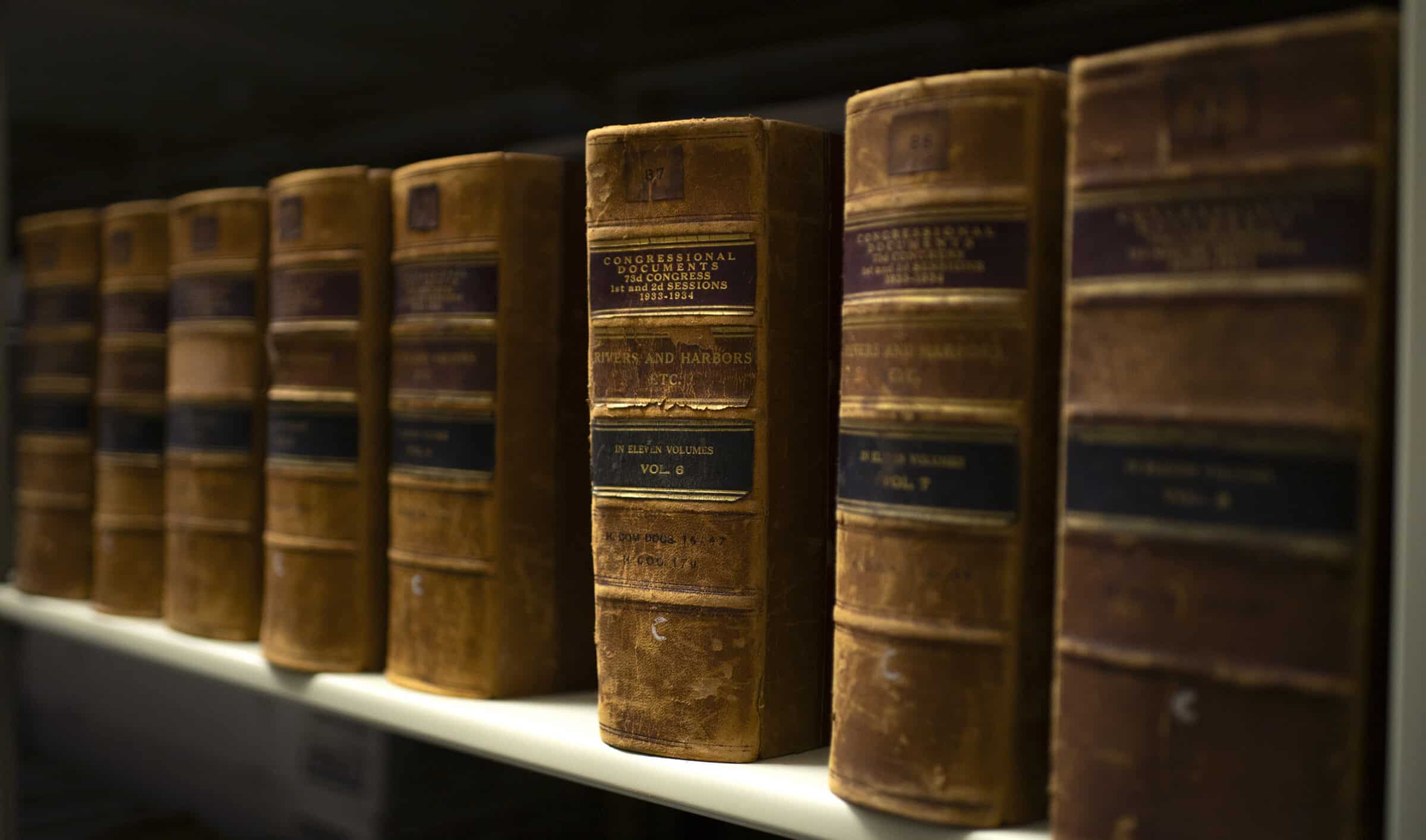
Does the current decline in reading mean a decline in thinking? Thinking is natural to humans. But a decline in reading may signal a worrisome decline in a particular TYPE of thinking.
Late last month at The Spectator, literary editor Sam Leith noted that “Even popular books are getting shorter and easier to read: their sentences are shorter, their paragraphs are shorter.” He also recounted a revealing anecdote:
It reminds me of something I heard the novelist Sebastian Faulks say not long ago — how when he found himself at a dinner surrounded by “prosperous and accomplished twentysomethings” he heard one say: “I don’t think I could read a whole book. Maybe a chapter, but not a whole book.” Even the educated so-called elites, the people we expect to be not only reading but pressing books on their children, are losing the habit. That likely bespeaks a market/social/evolutionary pressure: you no longer need to read to succeed.
He’s not alone in his assessment. At The Atlantic, Rose Horowitch tells us that “The End of Reading Is Here”:
Americans, once members of a proudly literate society, read much less than they used to. According to the National Endowment for the Arts, which conducts the most comprehensive survey of the nation’s reading habits, fewer than half of all adults reported having read a book of any kind in 2022. Only 38 percent read a novel or short story. A study analyzing 236,000 responses to the American Time Use Survey found that the proportion of Americans who read for pleasure on any given day fell from 28 percent in 2004 to 16 percent in 2023. (The study looked at people who had read a book, magazine, or newspaper; listened to an audiobook; or read an e-book.) Gambling has become a more common leisure activity than reading a book: Last year, 57 percent of Americans placed a bet.
The decline in reading cuts across age groups, gender, and education levels. Even the demographics that traditionally read the most — retirees, women, and college graduates — have seen a collapse.
No surprise then that literacy skills are also declining. Horowitch also notes, “Fourth- and eighth-grade reading scores have slid for the past decade.” And from the Harvard Gazette, we learned last month, “This month, average reading scores for high school seniors — released by the Nation’s Report Card — fell to their lowest level since 1992.”
It’s the Same for Adults
Smithsonian Magazine offers similar news about adults via Sarah Kuta: “Reading for Pleasure Has Declined by a ‘Deeply Concerning’ 40 Percent Over the Past Two Decades”:
Between 2003 and 2023, the proportion of Americans who read for pleasure on a given day dropped by around 3 percent each year, according to a new paper published in the journal iScience. Reading reached its peak in 2004, when around 28 percent of individuals reported reading for pleasure. But by 2023, that number had dropped to 16 percent — a decline of roughly 40 percent.
Reading for fun has been declining since the 1940s. However, the “sustained, steady” drop over the past 20 years is “deeply concerning,” says study co-author Jill Sonke, research director at the Center for Arts in Medicine at the University of Florida, in a statement.
So, it’s not a new thing but rather an accelerated one, tracking the rise in a variety of types of electronic media. As Horowitch puts it at The Atlantic, “Optimists once believed that universal literacy was inevitable. Now it seems that the age of reading might be a short anomaly in human history.”
No Longer Need to Read to Succeed?
Regarding young people, that was Leith’s view, offered at The Spectator above. The critical question here is, what do they want to succeed at? It’s true; they may not need to be able to read an extended argument or narrative if all they want to do is play or develop electronic games.
But what if they want to test their original ideas against those of others? They will soon discover that they also live in an era when freedom and diversity of thought are under serious fire on university campuses. That sharply diminishes their intellectual world — and the decline in tolerance for challenging ideas may be related to the reduced interest in reading overall.
The Critical Problem
What if people can no longer get through a reasoned book-length argument, as in, for example, The AI Delusion, (Oxford 2018) or Return of the God Hypothesis (Harper 2021)?
To critically evaluate the author’s argument, especially if it is new to us, we must follow the evidence cited and understand the concepts derived. Constant distraction by the latest uproar from Instagram and TikTok, let alone rage tweets on X or sh*tposts on Facebook, is — to put it mildly — not going to help. It’s the electronic equivalent of jeering and throwing spitballs.
Can’t electronic media be used, like books, to make in-depth arguments? They certainly can. But when they are used that way, they merit the same treatment as a book. We may need to sit through all ten half-hour segments to give a new, evidence-based idea a fair hearing. There will probably still be charts and graphs to survey. And the current deficit we are seeing is precisely in the sustained attention needed for that sort of intellectual effort.
If the decline continues, we will be back where we were half a millennium ago. Reading — serious reading — was the domain of an intellectual elite. It was understood that that elite should help the political elite make the important decisions. The public, which relied on the rumor mill and sensational broadsheets hawked in the streets, was not usually consulted.
More modern concepts like “democratic” and “representative” government depend in part on the assumption that most of the adult population can at least try to pay attention to and follow a reasoned argument. Reading a book was part of that process. If we reach the point where most people cannot muster that level of sustained attention, changes unwelcome to many of us are inevitable.
Cross-posted at Mind Matters News.