






































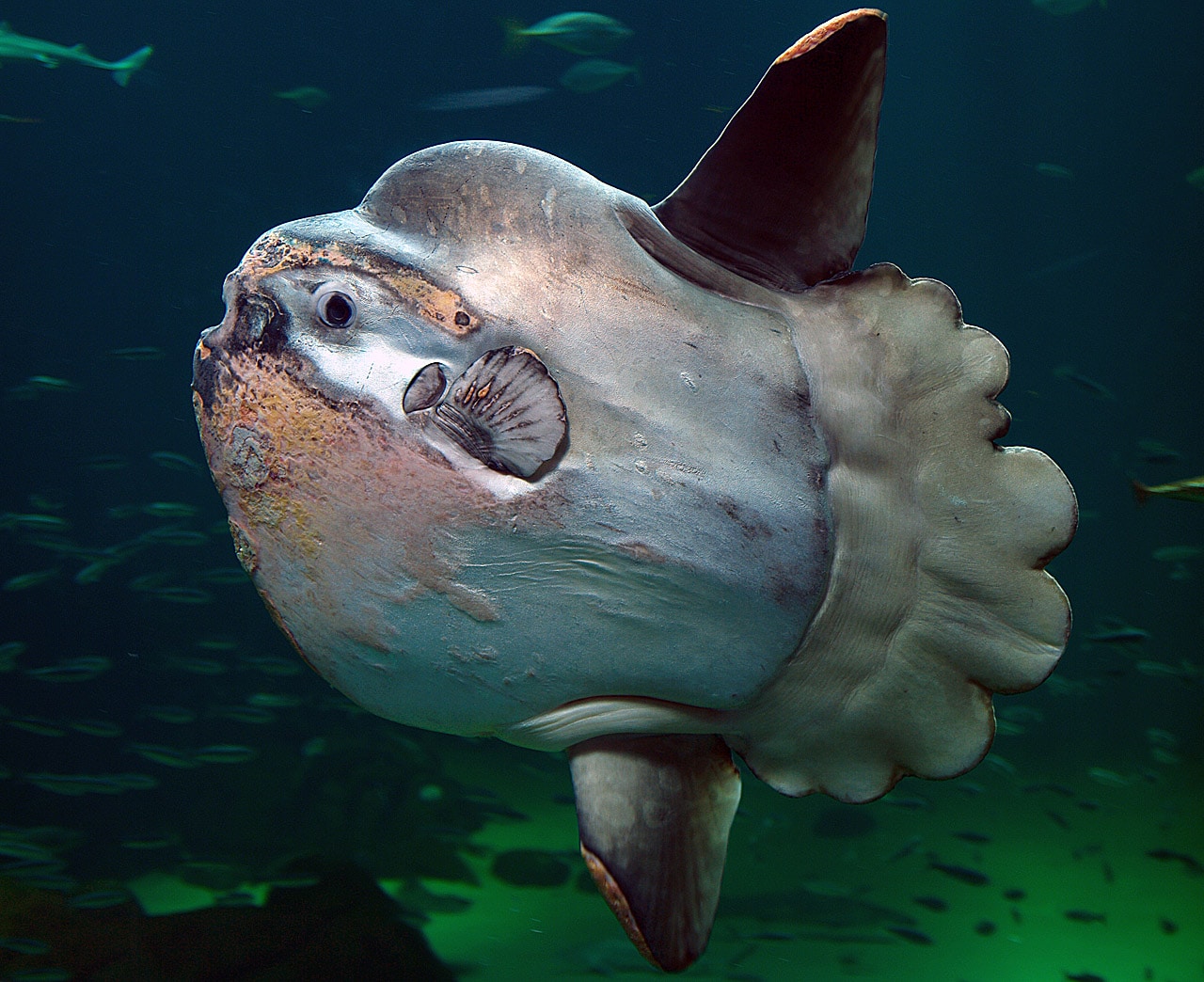
There’s been a bit of a hot weather buzz recently around a new research report describing orcas ramming dead sunfish, which then explode into “smithereens,” as Nature put it. Maybe they do it for fun though younger orcas can eat the pieces.
The research was published in Frontiers in Ethology:
Here, we describe two predation events in the Gulf of California in which adult orcas accelerated and struck a sharp-tail sunfish (Masturus lanceolatus) with sufficient force to cause substantial tissue fragmentation. We propose that this ‘ram-to-fragment’ behavior may have multiple functions, including facilitating foraging for juvenile orcas or reflecting play behavior. The observed coordination between adults suggests a high degree of cooperative precision and could represent roles in prey processing, social interaction and learning.
Playing with Their Food
From Jennifer Ouellette at Ars Technica: “We think this may help younger orcas feed more easily, or it could also just be for fun,” said co-author Kathryn Ayres of Beneath The Waves, a nonprofit organization promoting ocean health: “Orcas are known for playing with their food.”
Jordan Strickler offers some thoughts at ZME Science:
Orcas have long been the ocean’s most inventive predators. Some populations flip sharks upside down to induce paralysis. Others create synchronized waves to wash seals off ice floes. In New Zealand, they hunt stingrays. Off the coast of Argentina, they intentionally beach themselves to snatch sea lion pups from the surf.
But the “hold-to-ram” strategy observed in Mexico is a first.
Carlyn Kranking at Smithsonian Magazine offers:
The species is also notorious for picking up on trends and learning new behaviors; other populations of orcas have historically worn dead salmon as hats in the northeast Pacific Ocean, broken rudders off ships in the Strait of Gibraltar and removed the livers from great white sharks after a hunt.
While the orcas’ sunfish-exploding behavior is remarkable, it is consistent, after all, with their reputation as the “wolves of the sea”: intelligent and adaptable carnivores.
Cross-posted at Mind Matters.