Science and Culture Today Discovering Design in Nature
Topic

paleoanthropologists
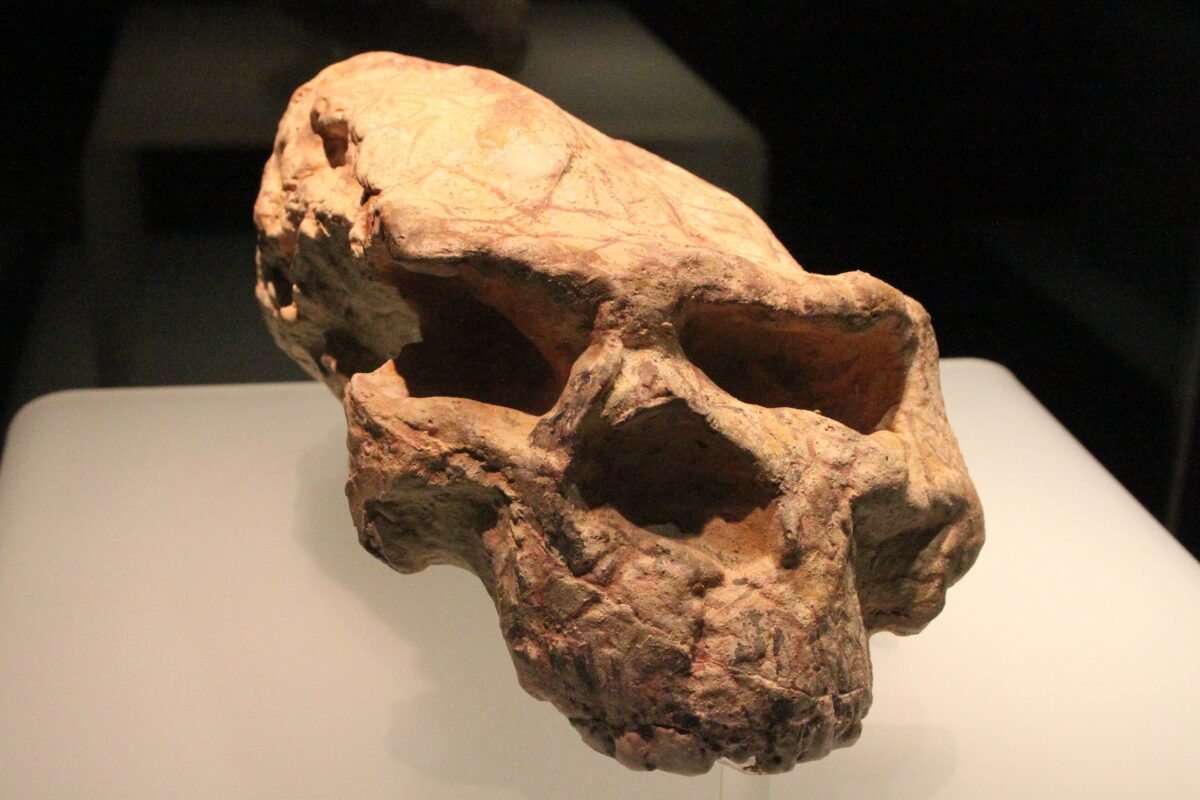
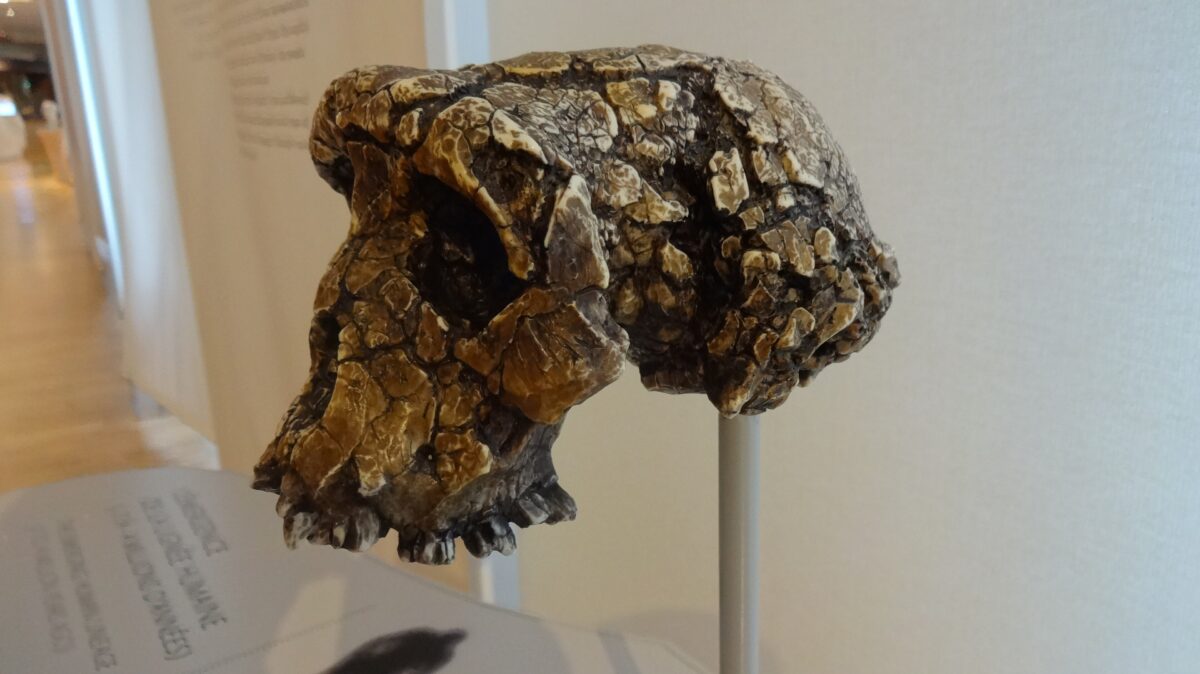
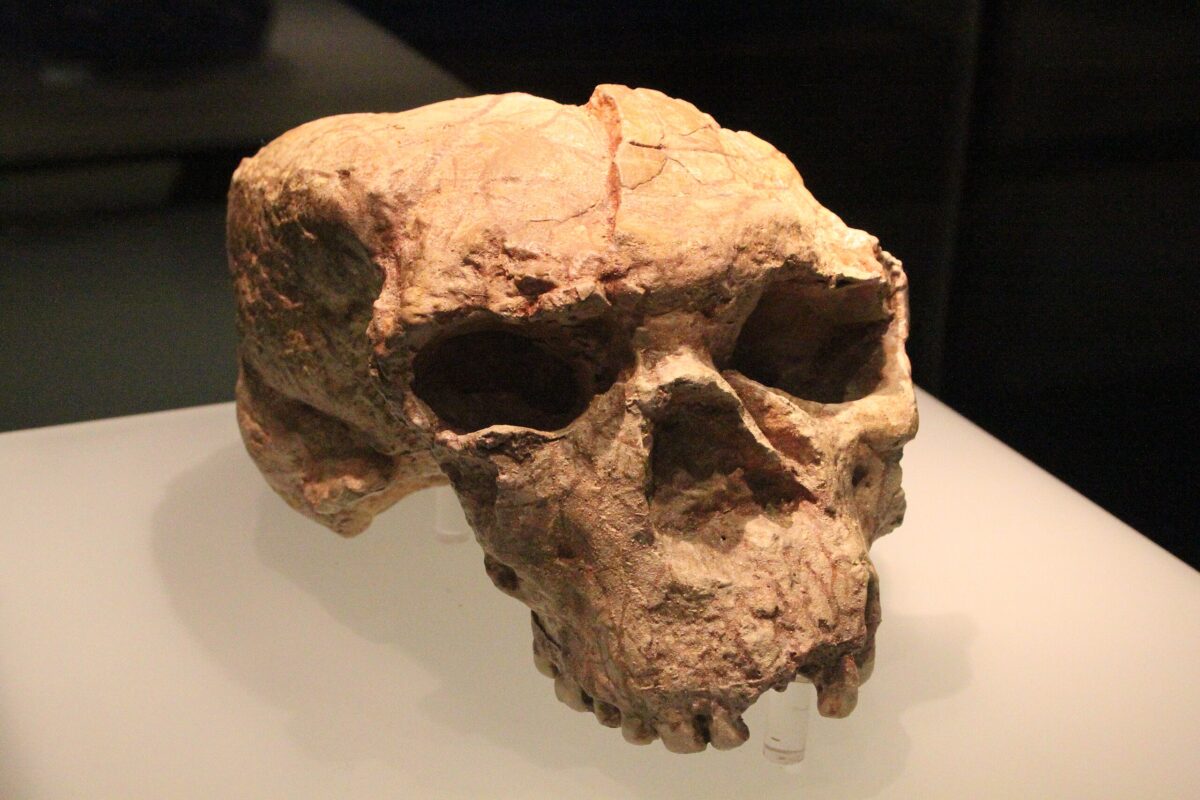
YunxianManCraniumII10161611733
Photo credit: Gary Todd from Xinzheng, China, CC0, via Wikimedia Commons.

Skulls from China Said to Push Origin of Homo sapiens Back to 1 Million Years 

How many times have we been told that some new paleoanthropological find is “rewriting the story of human evolution”? Read More ›
2560px-Smithsonian_Institution_National_Museum_of_Natural_History_(7508870948)
Photo credit: Alex Proimos from Sydney, Australia, CC BY 2.0 <https://creativecommons.org/licenses/by/2.0>, via Wikimedia Commons.

Luskin in the NY Post Calls Out Smithsonian on Human Origins
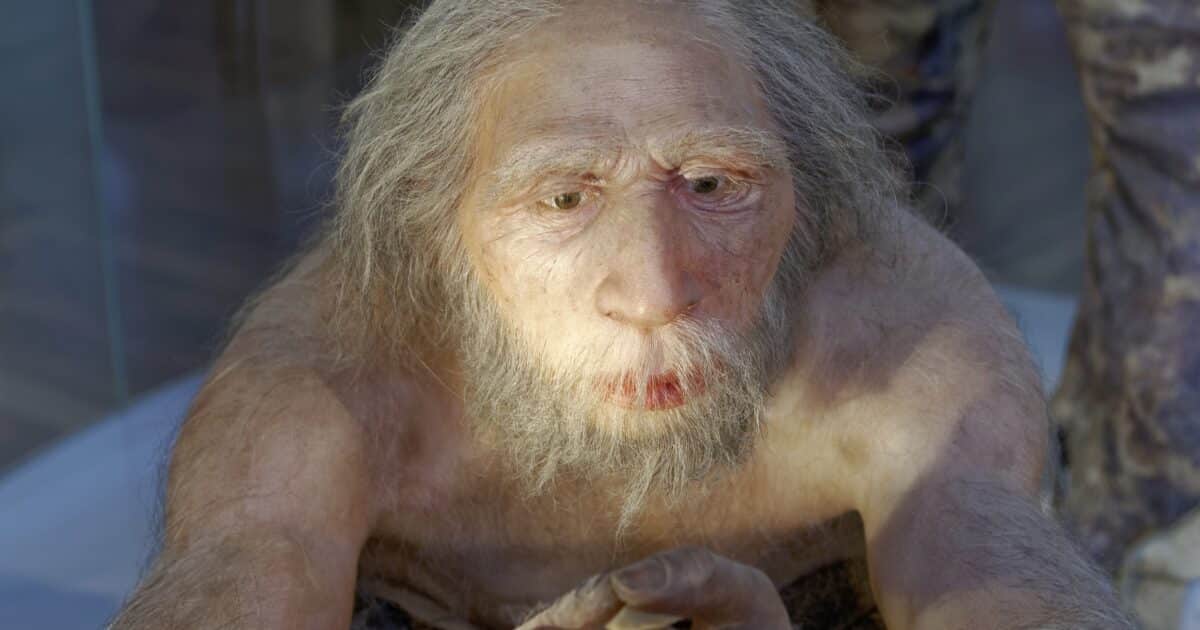
The museum misinforms visitors about how humans are so very, very close to non-human creatures. Equating humans with non-humans isn't humane. It's the opposite. Read More ›
Homo_neanderthalensis,_The_Natural_History_Museum_Vienna,_20210730_1225_1277
Photo credit: Jakub Hałun, CC BY-SA 4.0 <https://creativecommons.org/licenses/by-sa/4.0>, via Wikimedia Commons.

Neanderthals Were a Lot More Like Humans than We Realize
There’s still much we don’t know and the evidence is sparse — due in part to the fact that Neanderthals probably had a relatively small overall population size. Read More ›
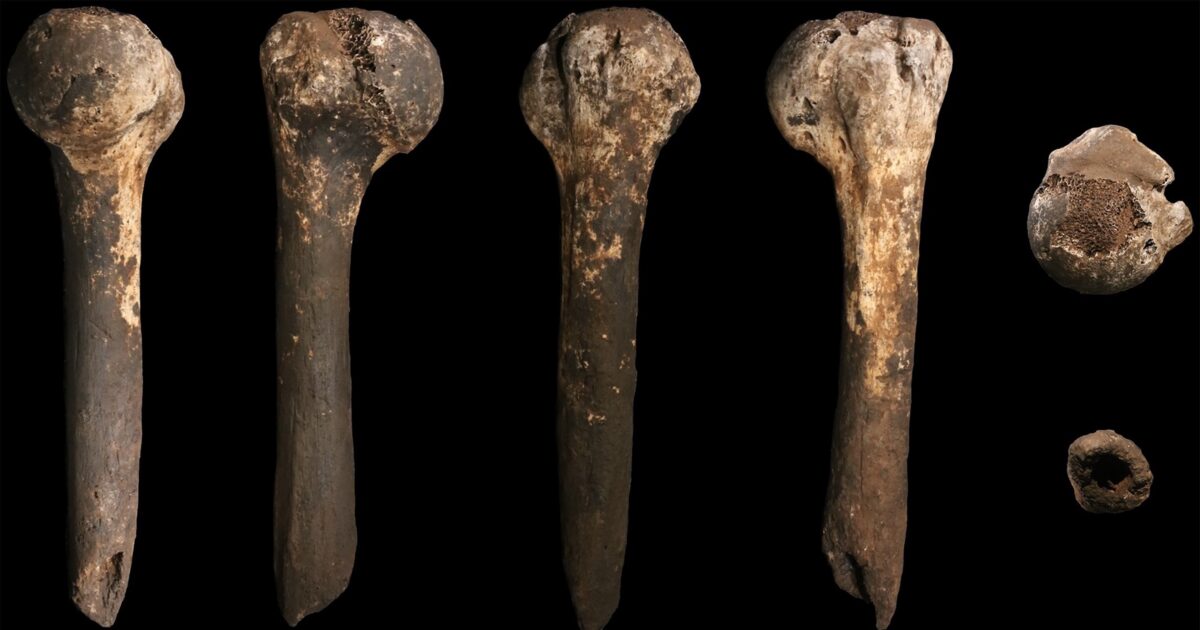
Homo naledi
Photo: A femur, by John Hawks, Marina Elliott, Peter Schmid, Steven E. Churchill, Darryl J. de Ruiter, Eric M. Roberts, Hannah Hilbert-Wolf, Heather M. Garvin, Scott A. Williams, Lucas K. Delezene, Elen M. Feuerriegel, Patrick Randolph-Quinney, Tracy L. Kivell, Myra F. Laird, Gaokgatlhe Tawane, Jeremy M. DeSilva, Shara E. Bailey, Juliet K. Brophy, Marc R. Meyer, Matthew M. Skinner, Matthew W. Tocheri, Caroline VanSickle, Christopher S. Walker, Timothy L. Campbell, Brian Kuhn, Ashley Kruger, Steven Tucker, Alia Gurtov, Nompumelelo Hlophe, Rick Hunter, Hannah Morris, Becca Peixotto, Maropeng Ramalepa, Dirk van Rooyen, Mathabela Tsikoane, Pedro Boshoff, Paul H.G.M. Dirks, Lee R. Berger, CC BY 4.0 <https://creativecommons.org/licenses/by/4.0>, via Wikimedia Commons.

Journal Rejects Claims that Homo naledi Buried Dead, Made Rock Art, Used Fire

Researchers, led by Lee Berger, had claimed in a Netflix documentary that the species buried its dead, used fire, used tools, and made rock art. Read More ›
OH_7_replica_03
Photo credit: Nachosan, CC BY-SA 3.0 <https://creativecommons.org/licenses/by-sa/3.0>, via Wikimedia Commons.

Fossil Friday: To Be or Not to Be Homo

The fossil hominin Homo habilis was described 1964 by Louis Leakey and his colleagues from the 1.9 million year old Olduvai Gorge locality in Tanzania. Read More ›
Neanderthal Musuem
Photo: Neanderthal Musuem, Germany, by Clemens Vasters, via Flickr (cropped).

Human Origins: All in the Family

If a Neanderthal walked down the street, appropriately dressed, you probably wouldn’t notice. Read More ›
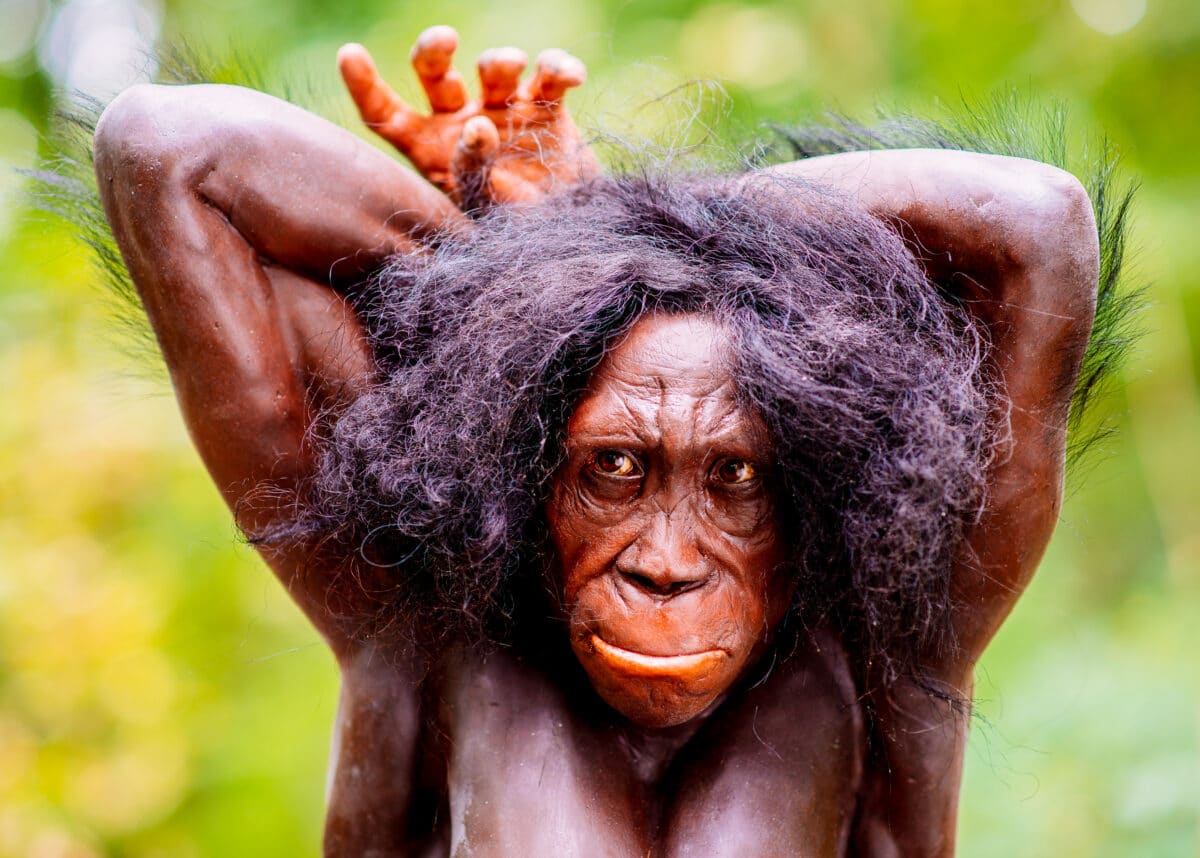
Homo erectus pekinensis
racism
Image: An artist imagines Homo erectus pekinensis, by Cicero Moraes [CC BY-SA 4.0], via Wikimedia Commons.

The Big Bang Origin of Homo

This unbridged gap between the ape-like australopithecines and the abruptly appearing human-like members of our genus challenges evolutionary accounts. Read More ›
Ardipithecus ramidus
Photo: Ardipithecus ramidus, by Tiia Monto, CC BY-SA 3.0 <https://creativecommons.org/licenses/by-sa/3.0>, via Wikimedia Commons.

The Standard Story of Human Evolution: A Critical Look

Whatever Ardi was, everyone agrees the fossils was initially badly crushed and needed extensive reconstruction. Read More ›
Yuval Noah Harari
Photo credit: World Economic Forum, via Flickr (cropped).

In Sapiens, Admissions and Overstatements about Human Evolutionary Origins

Harari’s conjecture — “There are no gods” — forms the very basis for everything he says in the rest of the book. Read More ›
homo erectus
human origins
Photo: Skull fragment, Homo erectus, by Commie cretan (Own work) [CC BY-SA 3.0], via Wikimedia Commons.

Misconceptions about Misconceptions: Examining a Citation of My Work

The citation is to one of my earliest writings on the topic of human origins, an article I published in an old ID journal. Read More ›

© Discovery Institute