Science and Culture Today Discovering Design in Nature
Topic

burial

Risingstarcaveexploration14054047275
Photo: Research at Rising Star cave, by Simon Fraser University - University Communications, CC BY 2.0 <https://creativecommons.org/licenses/by/2.0>, via Wikimedia Commons.

Investigation of Ancient Burials Yields Surprises

Archaeologists are reporting on a group culture around death from 100,000 years ago, maybe involving both Neanderthals and modern humans. Read More ›
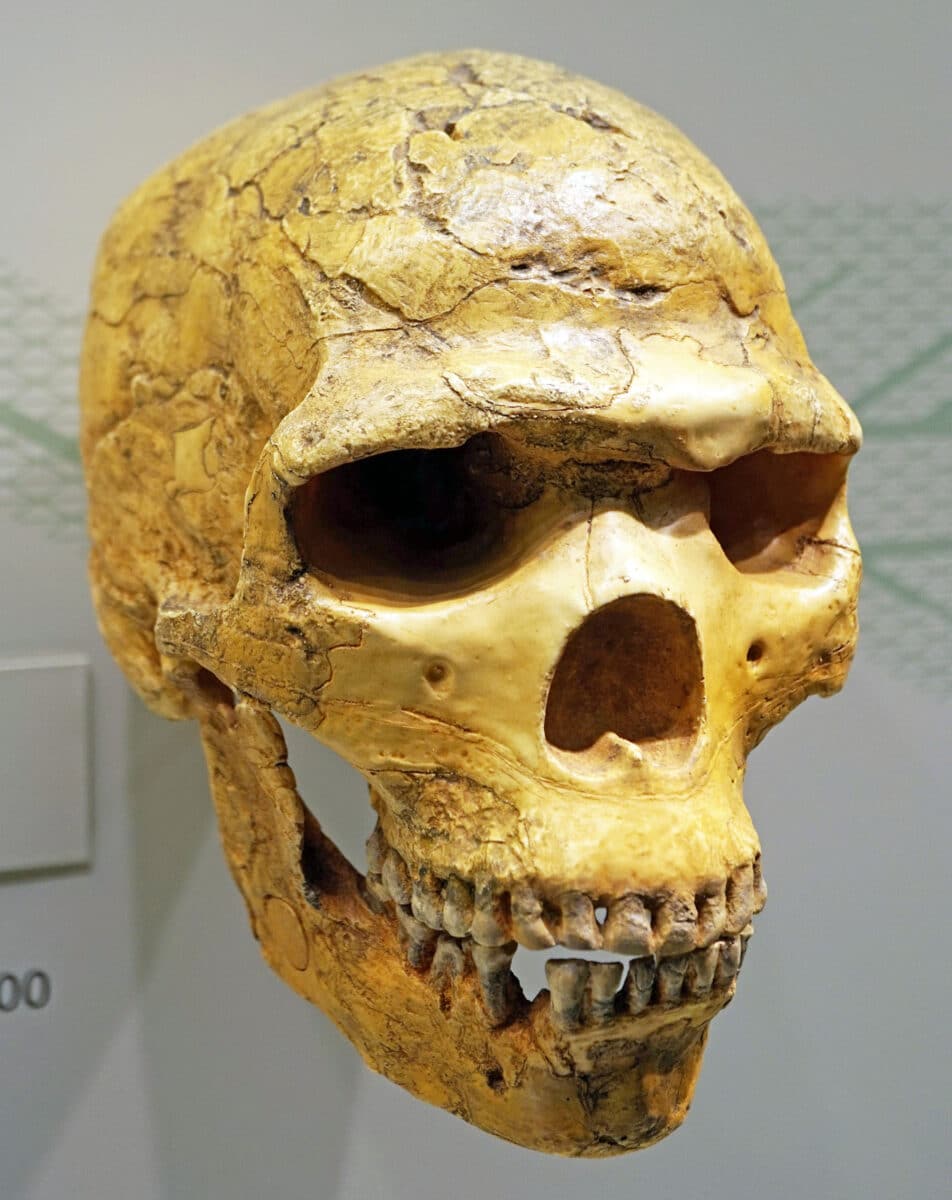
Homo_neanderthalensis_skull
Photo credit: Tiia Monto, CC BY-SA 3.0 <https://creativecommons.org/licenses/by-sa/3.0>, via Wikimedia Commons.

Fossil Friday: Human Nature of Neanderthals Supported Again
Extended caregiving for a strongly disabled child is a highly non-Darwinian behavior that indeeds suggests compassion on a level only found in humans. Read More ›
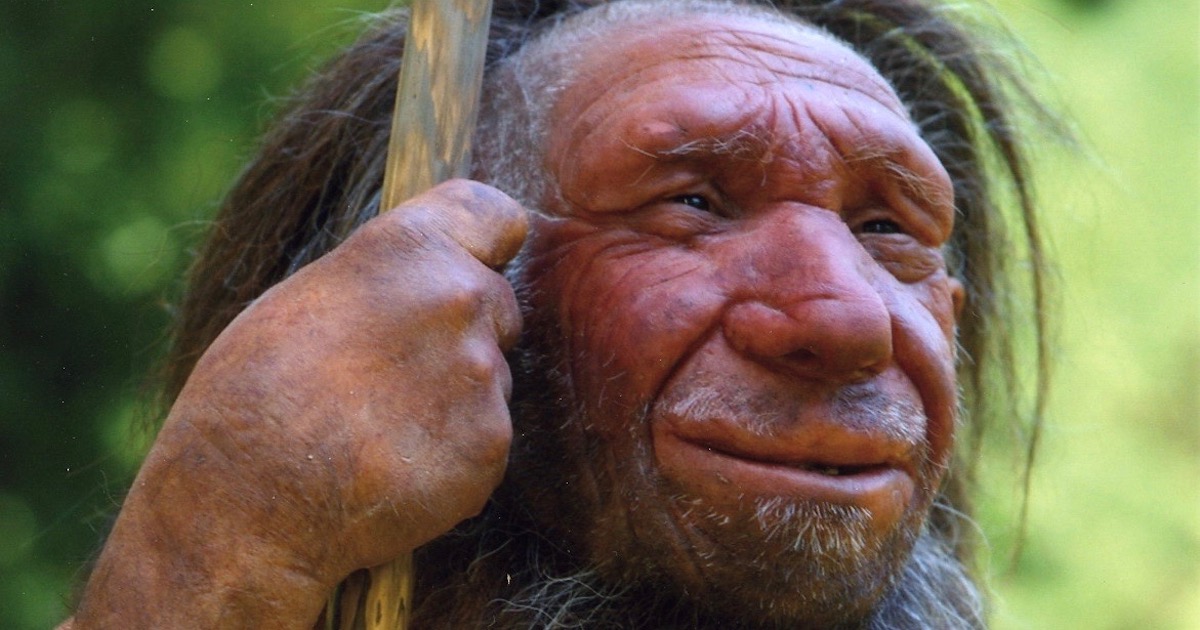
Homo_sapiens_neanderthalensis-Mr._N
Image credit: Neanderthal-Museum, Mettmann, CC BY-SA 4.0 <https://creativecommons.org/licenses/by-sa/4.0>, via Wikimedia Commons.

Were Neanderthals Religious?

We can’t poll long-dead Neanderthals on life, death, and the hereafter but the evidence we’ve dug up suggests they were thinking about that kind of thing. Read More ›
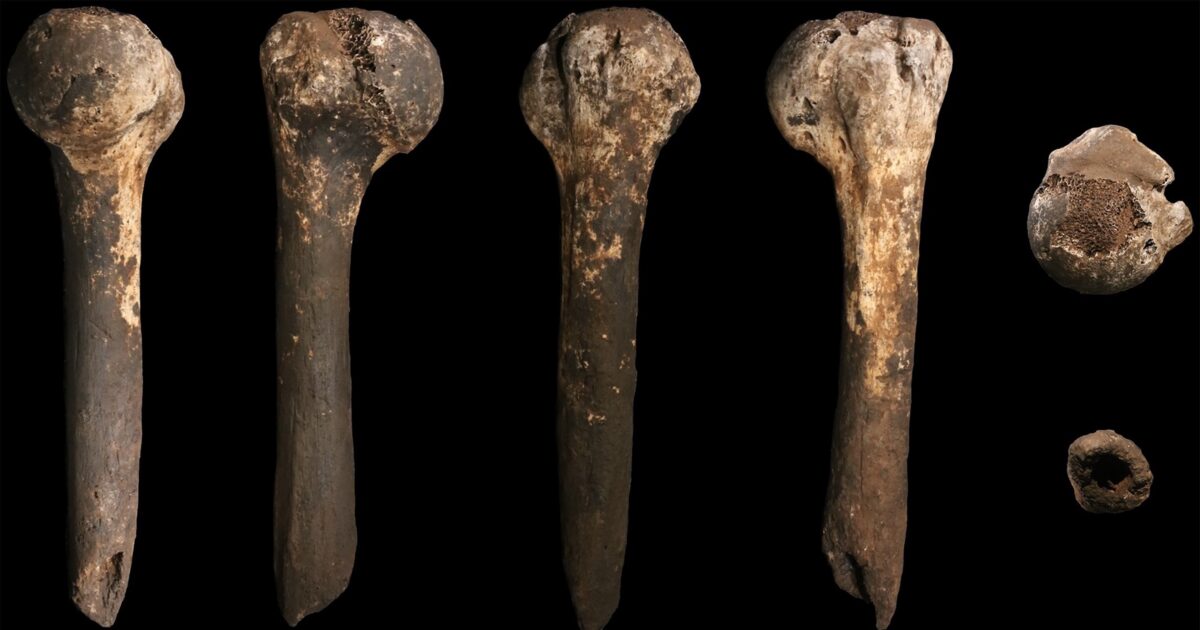
Homo naledi
Photo: A femur, by John Hawks, Marina Elliott, Peter Schmid, Steven E. Churchill, Darryl J. de Ruiter, Eric M. Roberts, Hannah Hilbert-Wolf, Heather M. Garvin, Scott A. Williams, Lucas K. Delezene, Elen M. Feuerriegel, Patrick Randolph-Quinney, Tracy L. Kivell, Myra F. Laird, Gaokgatlhe Tawane, Jeremy M. DeSilva, Shara E. Bailey, Juliet K. Brophy, Marc R. Meyer, Matthew M. Skinner, Matthew W. Tocheri, Caroline VanSickle, Christopher S. Walker, Timothy L. Campbell, Brian Kuhn, Ashley Kruger, Steven Tucker, Alia Gurtov, Nompumelelo Hlophe, Rick Hunter, Hannah Morris, Becca Peixotto, Maropeng Ramalepa, Dirk van Rooyen, Mathabela Tsikoane, Pedro Boshoff, Paul H.G.M. Dirks, Lee R. Berger, CC BY 4.0 <https://creativecommons.org/licenses/by/4.0>, via Wikimedia Commons.

Journal Rejects Claims that Homo naledi Buried Dead, Made Rock Art, Used Fire

Researchers, led by Lee Berger, had claimed in a Netflix documentary that the species buried its dead, used fire, used tools, and made rock art. Read More ›
Homo naledi
Photo credit: Lee Roger Berger research team, CC BY 4.0 <https://creativecommons.org/licenses/by/4.0>, via Wikimedia Commons.

Peer Review Rejects Claims that Homo naledi Buried Dead, Used Fire, and Scrawled on Cave Wall

I could not find a single reviewer who accepted the claims of the papers. They were harshly critical of claims of intentional burial of the skeletons. Read More ›
Homo naledi
Photo credit: Lee Roger Berger research team, CC BY 4.0 <https://creativecommons.org/licenses/by/4.0>, via Wikimedia Commons.

Scientists Are Skeptical that Intelligence in Homo naledi “Erases Human Exceptionalism”

Berger et al.’s claims about the species have been disputed and their idea that it lived 2-3 million years ago was exaggerated by a factor of 10. Read More ›
Grand Army of the Republic Cemetery
war
Photo: Grand Army of the Republic Cemetery, Seattle, by Seattle Parks via Flickr (cropped).

Nature Worship Advances as Human Dignity Retreats

The dead body has value because the human person does. How we treat our dead reflects our views on what we think about the living. Read More ›
Neanderthal Musuem
Photo: Neanderthal Musuem, Germany, by Clemens Vasters, via Flickr (cropped).

Human Origins: All in the Family

If a Neanderthal walked down the street, appropriately dressed, you probably wouldn’t notice. Read More ›
Homo_naledi_foot 2
Photo: Foot of Homo naledi, by Lee Roger Berger research team [CC BY 4.0], via Wikimedia Commons.

The Human Fossil Record Lacks Intermediaries

The news media might be heavily biased toward evolution, but at least it is predictable. Read More ›
Greyfriars Bobby
Photo: Greyfriars Bobby, by IrenicRhonda, via Flickr (cropped).

Can Myths About Dogs Tell Us About Their Origins?

A French historian studies the relationship between ancient stories told about dogs and information from genetics and archaeology. Read More ›

© Discovery Institute