







































Science and Culture Today Discovering Design in Nature
Topic

Science News

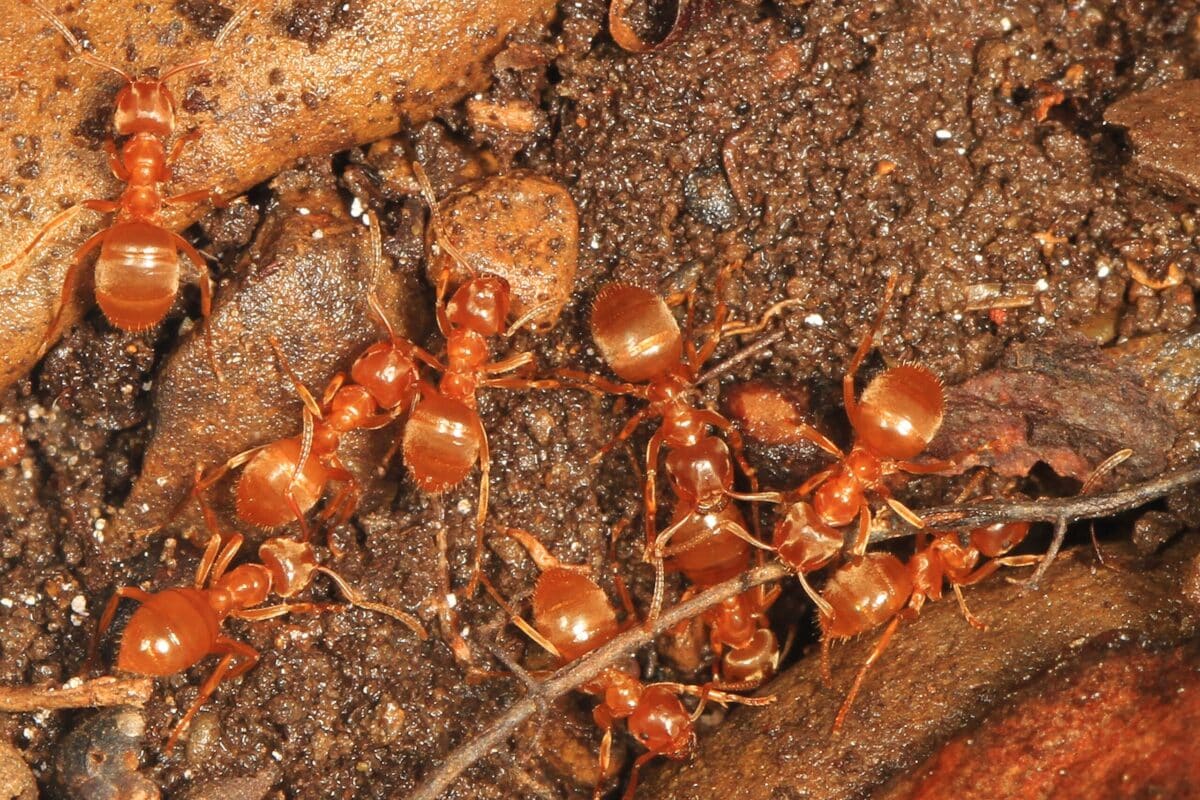
CitronellaAnts-LasiusumbratusGreenRidgeStateForest
Photo: Lasius umbratus, by Judy Gallagher, CC BY 2.0 <https://creativecommons.org/licenses/by/2.0>, via Wikimedia Commons.

Does Animal Intelligence Point to a Platonic Realm of Pure Information?

How could a life form like an ant — not known for creative or independent thinking as such but rather for a hive mind — “evolve” such a strategy? Read More ›
Coppedge
Photo credit: David Coppedge.

Benoît B. Mandelbrot: A Maverick Who Broke the Consensus

The Mandelbrot set reminds me of the Fibonacci series that, in a similar way, gives rise to aesthetically pleasing patterns in a wide variety of natural phenomena. Read More ›
MapofSundaandSahulsvg
Image credit: listfiles/Kanguole, CC BY-SA 4.0 <https://creativecommons.org/licenses/by-sa/4.0>, via Wikimedia Commons.

New Find: Stone Tools from 1 to 1.5 Million Years Ago
The human body may have a history and human technology definitely has a history but the human mind does not. Read More ›
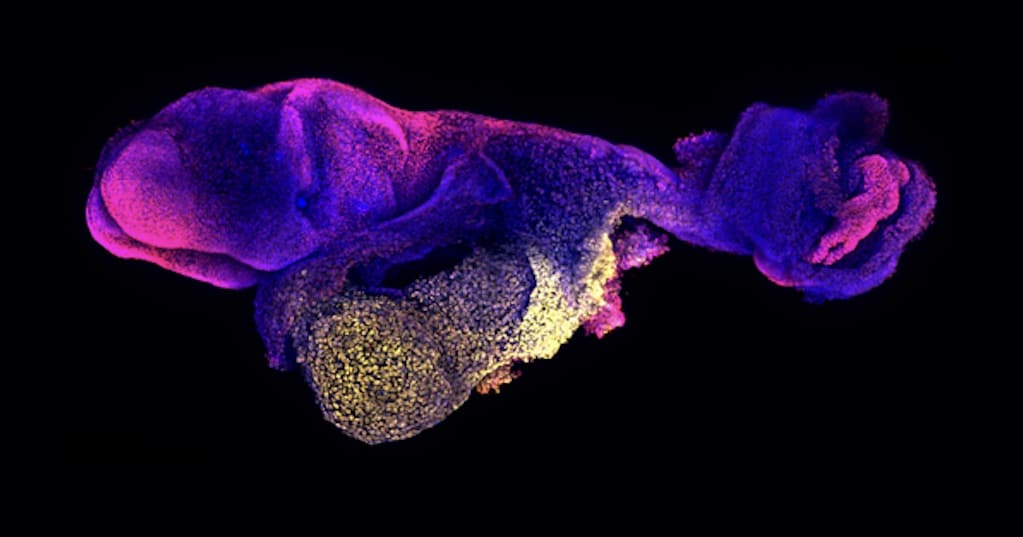
mouse-22embryo-model22
Photo: Mouse "embryo model," by Kasey Lau for the Zernicka-Goetz laboratory, via EurekAlert!

Scientists Are Close to Creating Human Embryos from Stem Cells

Once again, biotechnology is racing ahead of our capacity to intellectually digest what is happening. Read More ›
Homo naledi
Photo credit: Lee Roger Berger research team, CC BY 4.0 <https://creativecommons.org/licenses/by/4.0>, via Wikimedia Commons.

Scientists Are Skeptical that Intelligence in Homo naledi “Erases Human Exceptionalism”
Berger et al.’s claims about the species have been disputed and their idea that it lived 2-3 million years ago was exaggerated by a factor of 10. Read More ›
pig

Lab-Grown Lungs Transplanted into Pigs

The human organ shortage is one of the great bioethical dilemmas of our time. Expanding the organ supply is a matter of life and death. Read More ›

Richard Lenski and Citrate Hype — Now Deflated

For more than 25 years, Lenski's lab has grown a dozen lines of the bacterium E. coli in small culture flasks. Read More ›

© Discovery Institute