Science and Culture Today Discovering Design in Nature
Topic

Scott Minnich

EscherichiacoliEMB
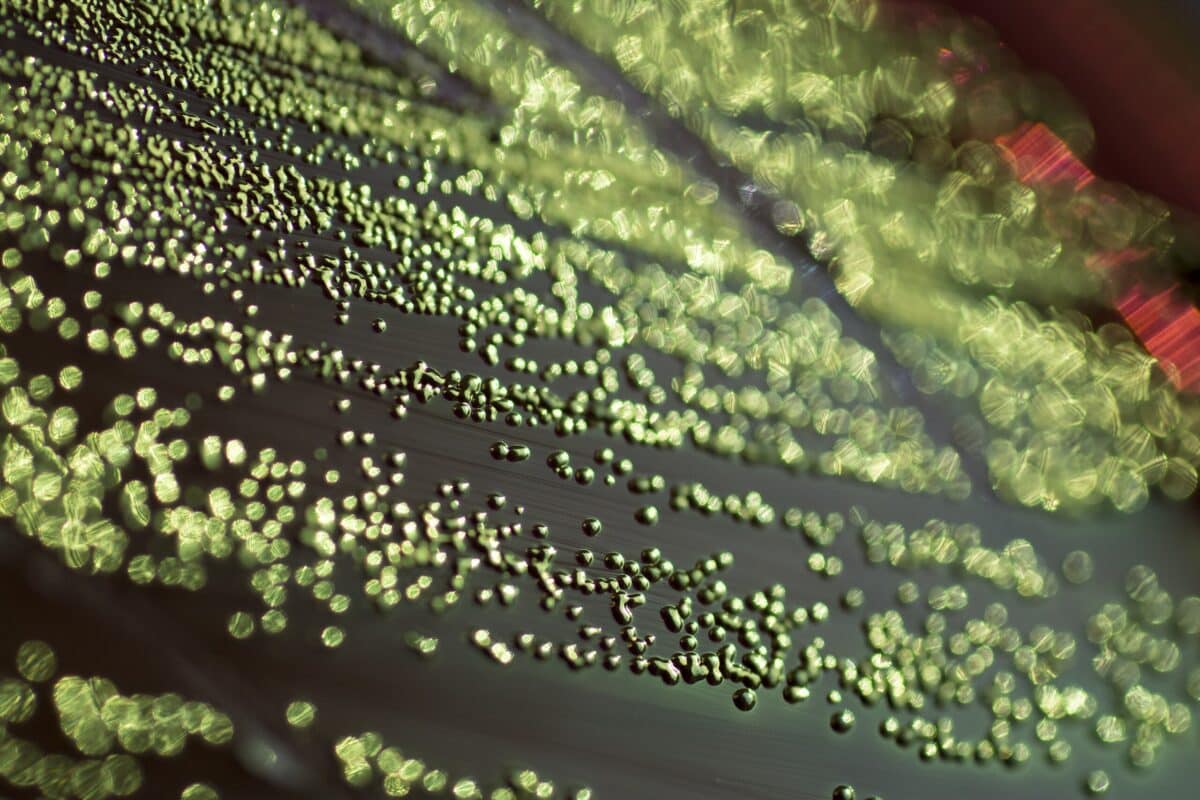
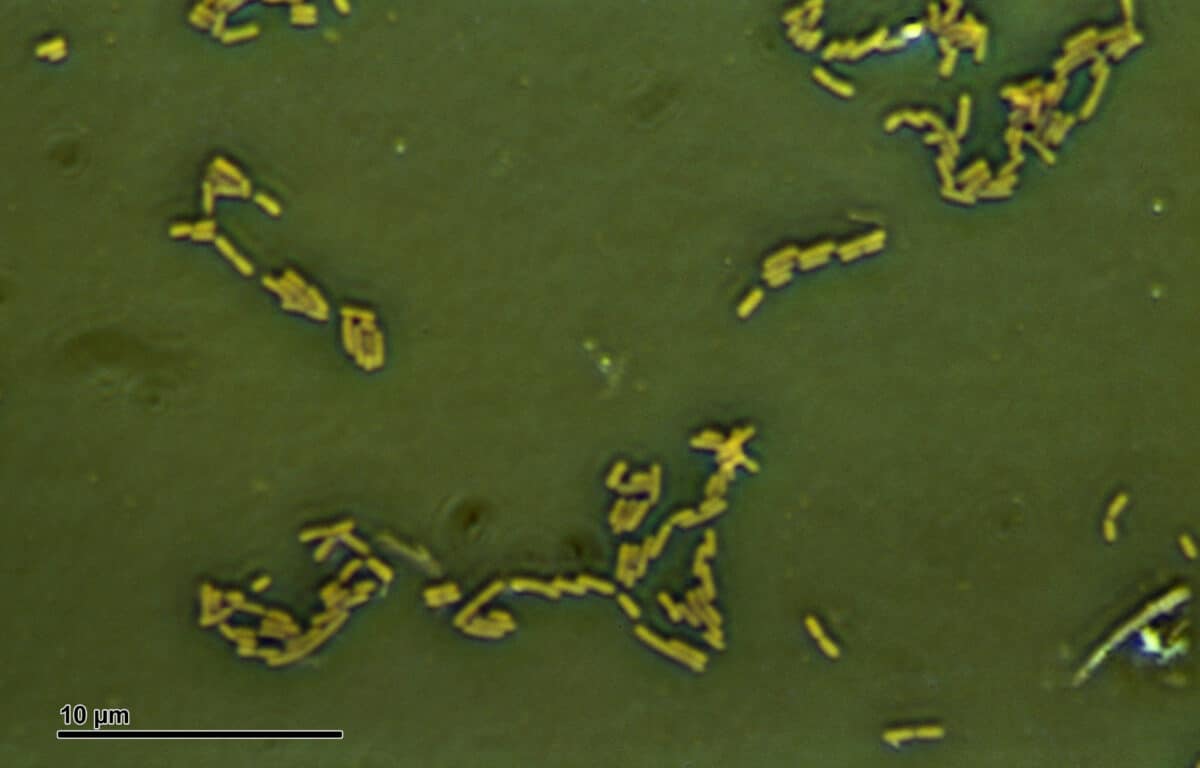
Photo: E. coli, by Gene Drendel, CC BY 4.0 <https://creativecommons.org/licenses/by/4.0>, via Wikimedia Commons.

Engineered Complexity in the Microbial World
Many biological “adaptations” may involve the use of innate abilities or the disruption of existing functions, rather than the creation of entirely new ones. Read More ›
bacterial flagellum
Image credit: Illustra Media.

Popular YouTube Science Educator Professes “Emotional” Response to “Amazing” Flagellum
In the video, engineer Destin Sandlin explains how he became captivated after watching an online animation of the bacterial flagellum. Read More ›
Lenski’s terrific LTEE
distinctions
Photo: Richard Lenski’s LTEE, by Brian Baer and Neerja Hajela [CC BY-SA 1.0], via Wikimedia Commons.

Hitting the Brakes on “Rapid Evolution”

Evolutionary biologist Richard Lenski hopes to demonstrate Darwinian evolution in action. But one humble scientist from Northern Idaho says not so fast! Read More ›
bacteria
Photo credit: NIAID, CC BY 2.0 <https://creativecommons.org/licenses/by/2.0>, via Wikimedia Commons.

A Microbiologist’s Journey to Intelligent Design

Scott Minnich shares how he first learned about ID, met philosopher of science Dr. Stephen Meyer, and eventually became involved in a well-known documentary. Read More ›
Sauropods
Photo: Skeletal Reconstruction of <I>Mamenchisaurus youngi</I>, though other sources speak of the very closely related <I>Omeisaurus</I>, in the Dinosaur Museum of Zigong, by Einar Fredriksen, CC BY-SA 2.0 <https://creativecommons.org/licenses/by-sa/2.0>, via Wikimedia Commons.

Long Necks in Sauropod Dinosaurs — By Neo-Darwinism or Intelligent Design?

The origin of the ingeniously intricate long necks in sauropod dinosaurs has been postulated to have arisen more than 35 times independently. Read More ›
Lenski’s terrific LTEE
distinctions
Photo: Richard Lenski’s LTEE, by Brian Baer and Neerja Hajela [CC BY-SA 1.0], via Wikimedia Commons.

Answering Farina on Behe’s Work: Irreducible Complexity

The first exhibit is Lenski’s long-term evolution experiment, in which, after some 33,000 generations, bacterial cells evolved the ability to grow on citrate. Read More ›
E. coli bacteria
Photo: E. coli bacteria, living a better life, by Eric Erbe, digital colorization by Christopher Pooley, both of USDA, ARS, EMU., Public domain, via Wikimedia Commons.

Engineering and Evolution in the Microbial World

This year’s Conference on Engineering in Living Systems (CELS) is going on right now, exploring design principles at work in living things. Read More ›
topoisomerase
Image: Topoisomerase II, via Discovery Institute.

#10 Story of 2022: Twelve “Shocking” Discoveries for Evolution

Some discoveries might be surprising from an evolutionary perspective, but not necessarily from a perspective of intelligent design. Read More ›
topoisomerase
Image: Topoisomerase II, via Discovery Institute.

Twelve “Shocking” Discoveries for Evolution

Some discoveries might be surprising from an evolutionary perspective, but not necessarily from a perspective of intelligent design. Read More ›
flagellum
irreducible complexity
Image: Bacterial flagellar motor, from Unlocking the Mystery of Life, Illustra Media.

Harvard Biophysicist Howard Berg, Flagellum’s Discoverer, Lives On

More than any other scientist, he brought to light the intricate biophysics occurring at the molecular scale in living organisms. Read More ›

© Discovery Institute