Science and Culture Today Discovering Design in Nature
Topic

Olduvai Gorge

Homo-habilis
Photo credit: Rama, CC BY-SA 3.0 FR <https://creativecommons.org/licenses/by-sa/3.0/fr/deed.en>, via Wikimedia Commons.

Not a “Turning Point”: Study Finds Homo habilis Was Hunted as Prey

The proposals of this study are very consistent with what we have long argued here. Read More ›
Excavation_site_at_Melka_Kunture_Prehistoric_Site,_roughly_800,000_years_before_the_present_(5)_(28838893510)
Photo: Melka Kunture, by Richard Mortel from Riyadh, Saudi Arabia, CC BY 2.0 <https://creativecommons.org/licenses/by/2.0>, via Wikimedia Commons.

How Evolutionary Theory Confuses the Study of Human History: Case of the Stone Spheres

Any state of affairs that dates to eons ago can be referred to as “evolution” even when, as in this case, the facts imply the opposite. Read More ›
Olduvai_Gorge_or_Oldupai_Gorge
Photo credit: Noel Feans, CC BY 2.0 <https://creativecommons.org/licenses/by/2.0>, via Wikimedia Commons.

Fossil Friday: Stone Huts, Homo habilis, and Gutsick Gibbon

A PhD student of biological anthropology named Erika runs one of the more popular anti-creationist YouTube channels under her pseudonym Gutsick Gibbon. Read More ›
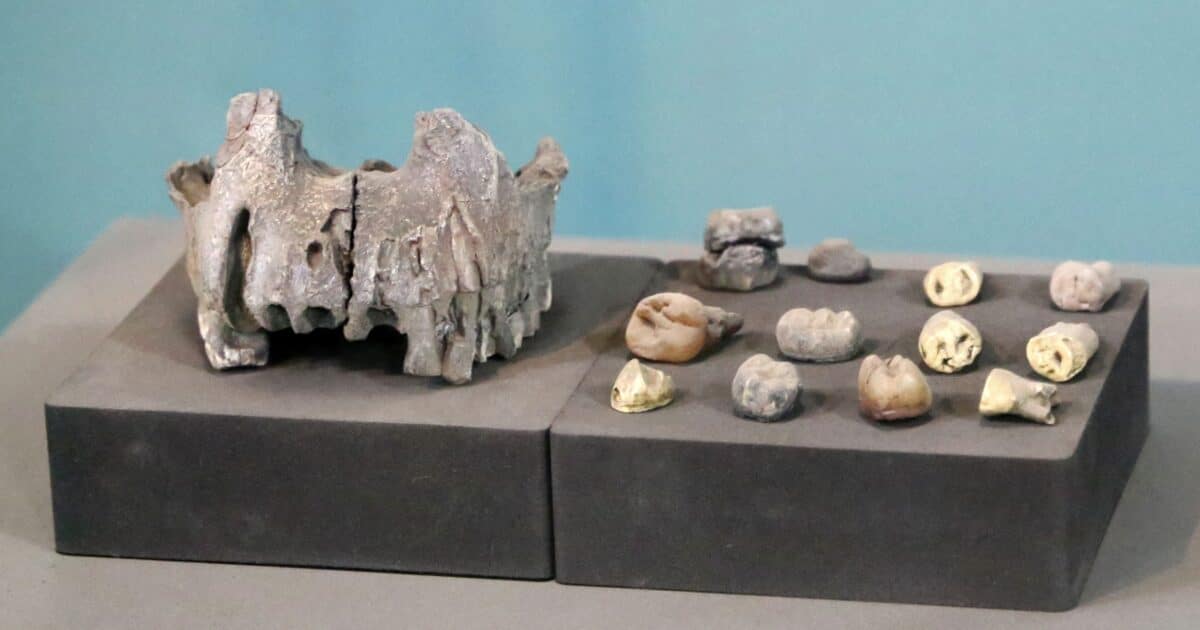
Homo habilis remains
Photo: Homo habilis remains, by Sailko, CC BY 3.0 <https://creativecommons.org/licenses/by/3.0>, via Wikimedia Commons.

Fossil Friday: New Research Questions the Human Nature of Homo habilis

A consensus is scientifically worthless when it is driven by worldview bias and peer pressure rather than by an unbiased inference to the best explanation. Read More ›
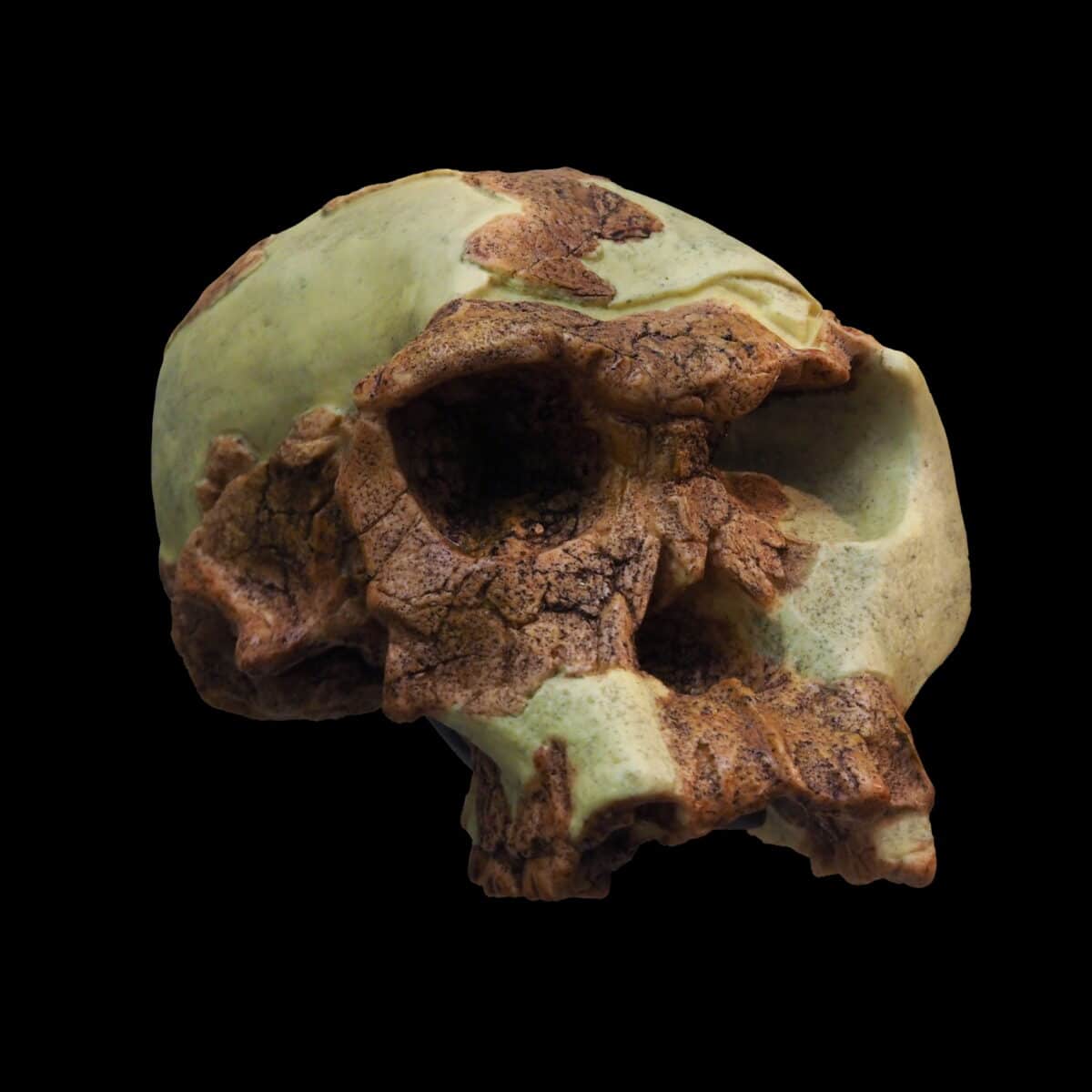
OH_7_replica_03
Photo credit: Nachosan, CC BY-SA 3.0 <https://creativecommons.org/licenses/by-sa/3.0>, via Wikimedia Commons.

Fossil Friday: To Be or Not to Be Homo

The fossil hominin Homo habilis was described 1964 by Louis Leakey and his colleagues from the 1.9 million year old Olduvai Gorge locality in Tanzania. Read More ›
© Discovery Institute