






































Science and Culture Today Discovering Design in Nature
Topic

population genetics

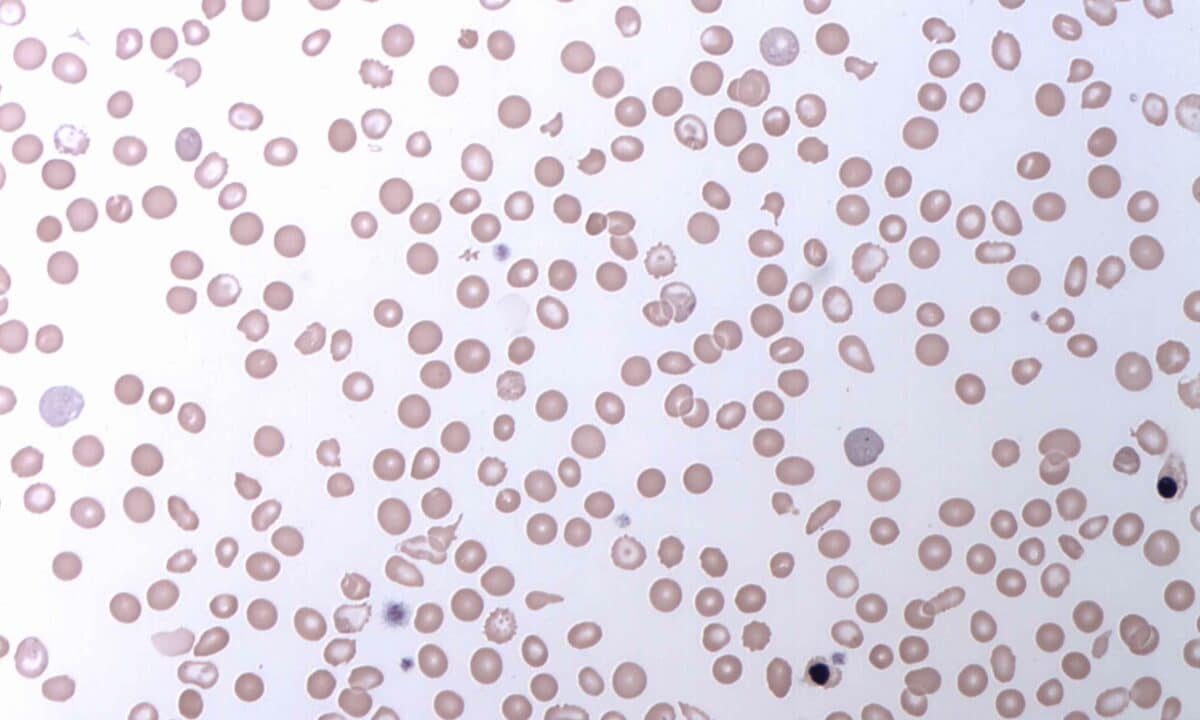
Sicklecellanaemia-2
Photo credit: Osaretin, CC BY-SA 4.0 <https://creativecommons.org/licenses/by-sa/4.0>, via Wikimedia Commons.

Dave Farina Misunderstands Behe’s Darwin Devolves

Farina’s response to my previous series is characterized by misrepresentations, selective engagement, and reliance on insults and name-calling. Read More ›
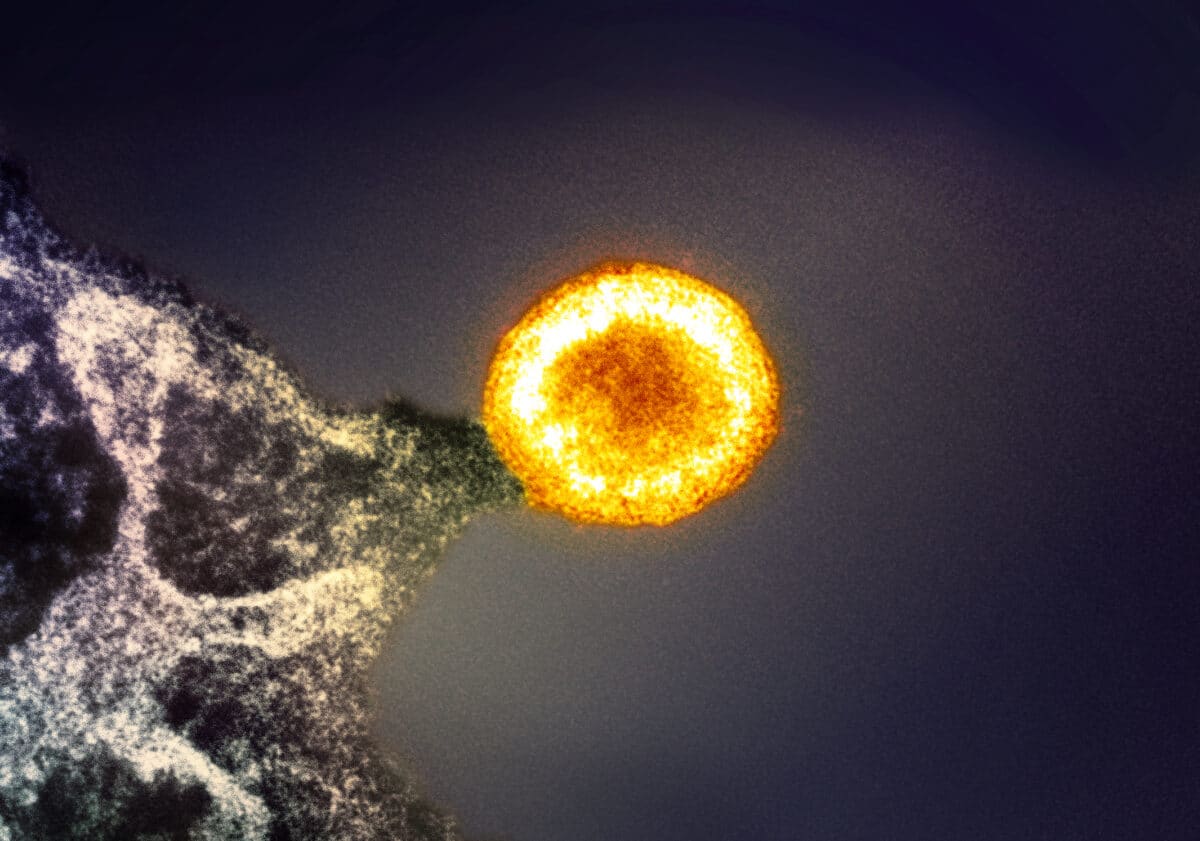
Photo: HIV-1, by NIAID, CC BY 2.0 <https://creativecommons.org/licenses/by/2.0>, via Wikimedia Commons.

Answering Dave Farina on the Vpu Protein in HIV-1
Farina’s dismissal of this important point suggests that he does not understand the subject of population genetics very well. Read More ›
Bechly
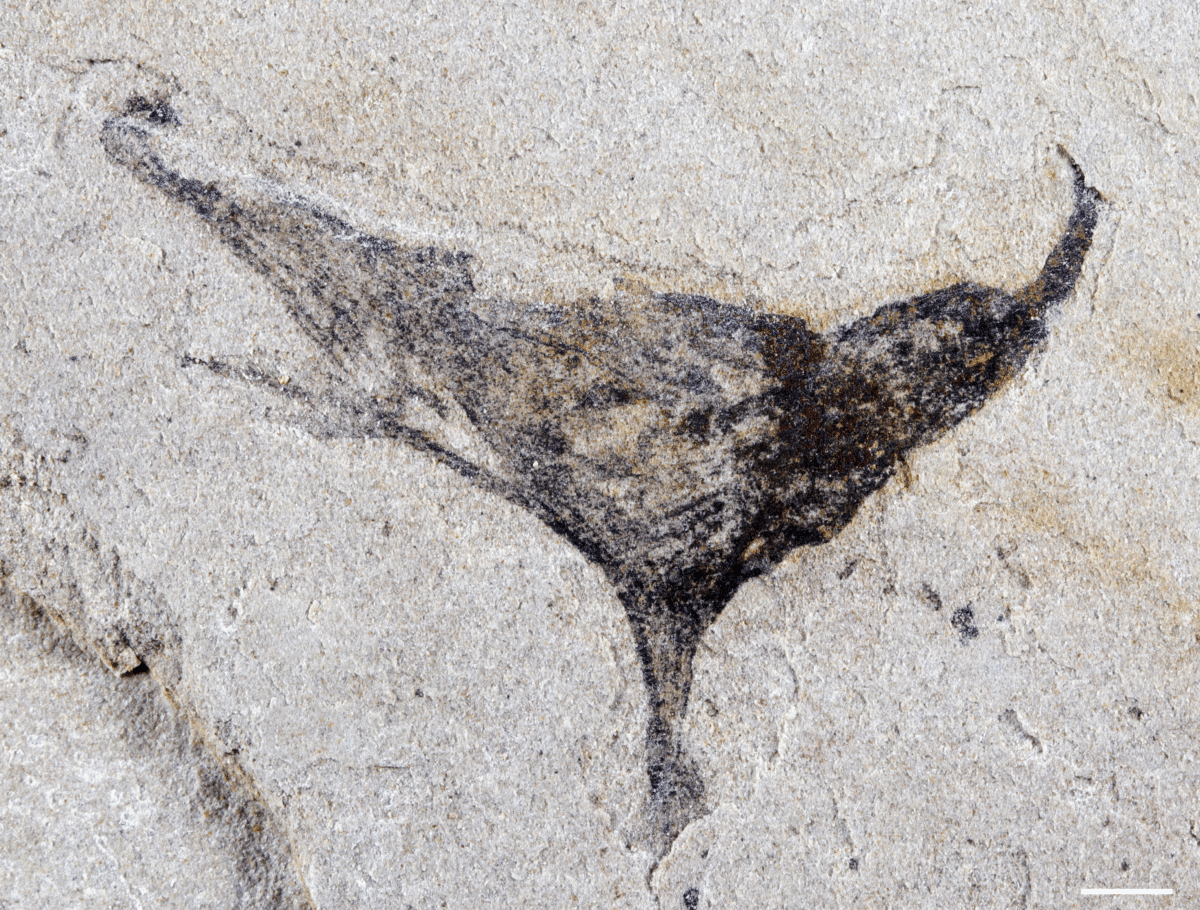
Photo credit: Gaorong Li, via EurekAlert!, https://www.eurekalert.org/multimedia/1124309.

At Long Last, Have New Fossil Finds Solved the Cambrian Enigma?

New fossil discoveries from China are being hailed as evidence that could reshape our understanding of the origin of complex animal life. Read More ›
close-up-shot-of-microscope-with-metal-lens-stockpack-adobe-312508645-stockpack-adobestock
Close-up shot of microscope with metal lens.
Image Credit: kkolosov - Adobe Stock

Luskin: The State of the Intelligent Design Debate

Terrell Clemmons asked, "Where have you seen the ID movement make strides?" This is some of the material that I wish someone would share with Elon Musk. Read More ›
Monarch_butterfly
Photo: Monarch butterfly, by Rhododendrites, CC BY-SA 4.0 <https://creativecommons.org/licenses/by-sa/4.0>, via Wikimedia Commons.

Lee Spetner Took Aim at Natural Selection and Population Genetics
Spetner, a PhD from MIT, discusses natural selection, what it can and cannot do. Read More ›
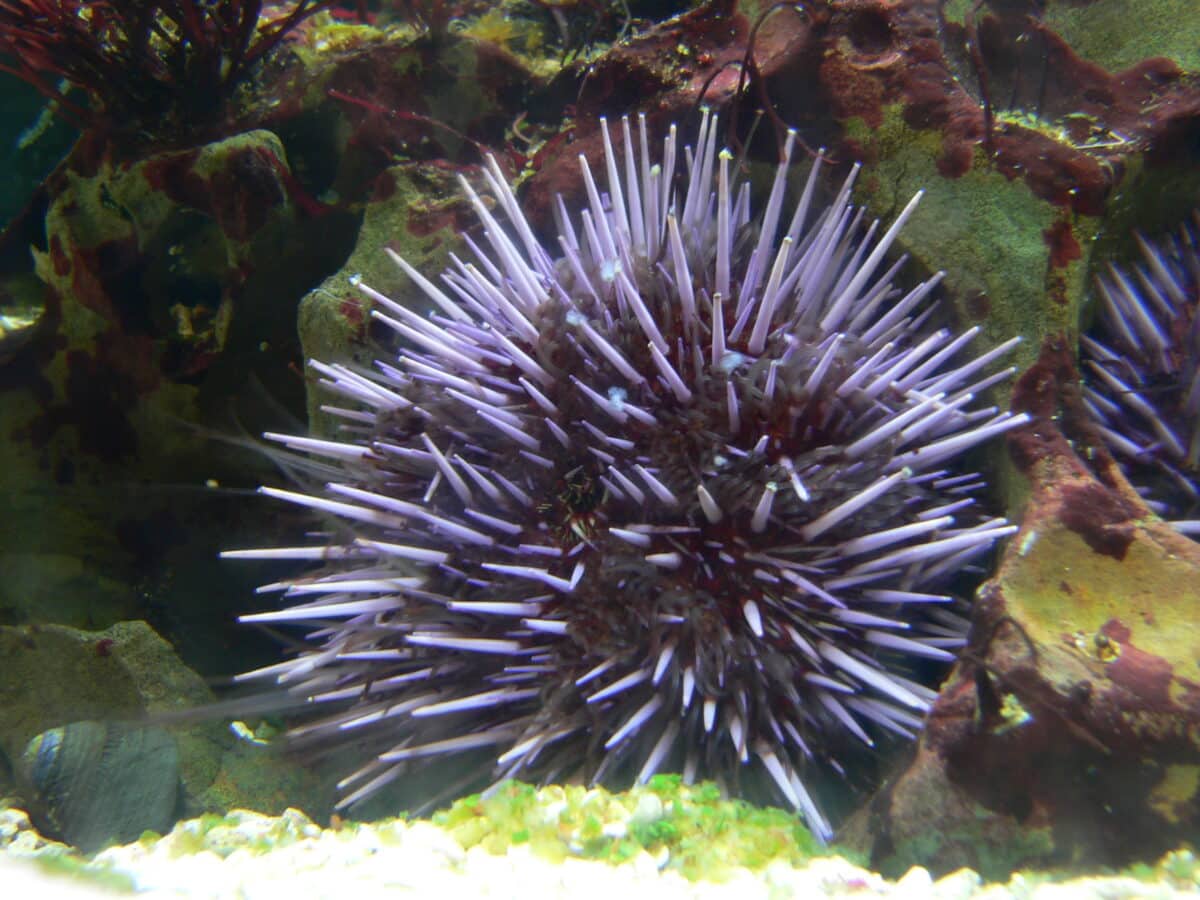
Strongylocentrotus_purpuratus_P1160330
Photo: Purple sea urchin, by David Monniaux, CC BY-SA 3.0 <http://creativecommons.org/licenses/by-sa/3.0/>, via Wikimedia Commons.

Stephen Meyer’s Extensive Treatment of Evo-Devo 

"On arriving at Caltech in 1971, Eric Davidson chose the purple sea urchin as his experimental model system." Read More ›
Boli-ischi_100
Photo credit: Paleoninja, CC BY-SA 4.0 <https://creativecommons.org/licenses/by-sa/4.0>, via Wikimedia Commons.

Fossil Friday: Snake Origins —Yet Another Biological Big Bang

The authors commented in the press releases that this burst of biological novelty suggests that “snakes are like the Big Bang ‘singularity’ in cosmology.” Read More ›
Pakicetus
Photo: Ghedoghedo, CC BY-SA 3.0 <https://creativecommons.org/licenses/by-sa/3.0>, via Wikimedia Commons.

Fossil Friday: Three Modern Scientific Challenges to the Causal Adequacy of Darwinian Explanations
As a consequence of the collapsing tree problem, I suggest abandoning evolutionary classifications and return to a pre-Darwinian Linnaean classification. Read More ›
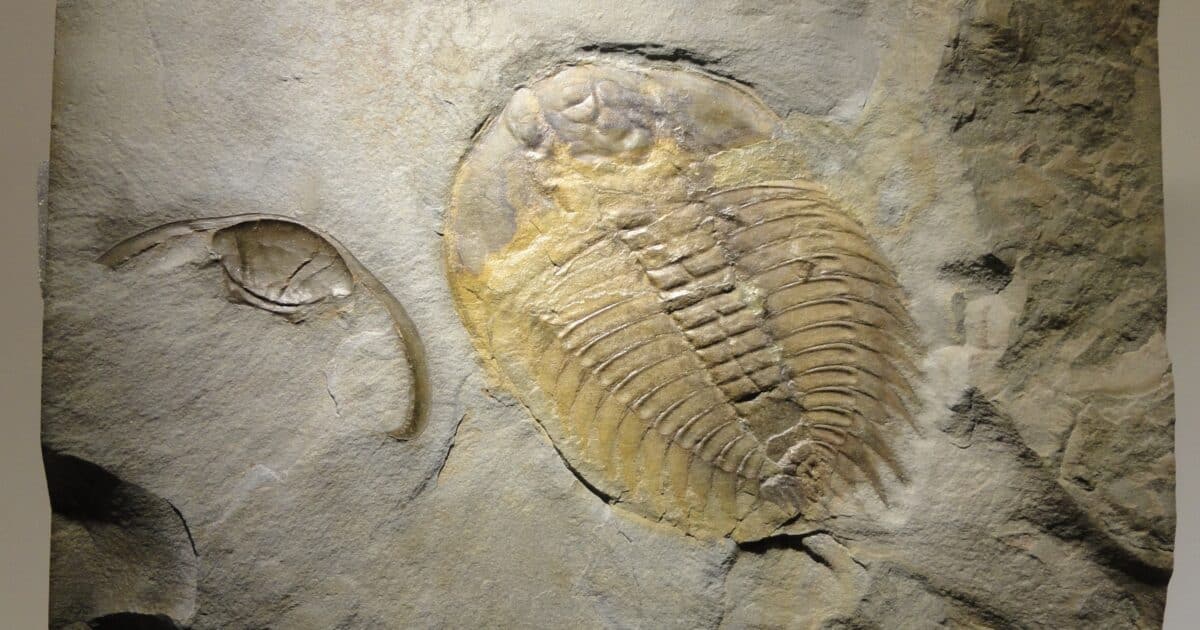
Wanneria_sp.,_Early_Cambrian,_Eager_Formation,_Cranbrook,_BC,_Canada_-_Houston_Museum_of_Natural_Science_-_DSC01398
Photo credit: Daderot, CC0, via Wikimedia Commons.

Fossil Friday: Discontinuities in the Fossil Record — A Problem for Neo-Darwinism

The fossil record generally documents a discontinuous history of life with sudden appearances of new body plans and new forms of life in saltational events. Read More ›
Broken_Hill_Skull_(Replica01)
Photo source: Wikimedia Commons.

Fossil Friday: New Dating of Pleistocene Fossils Rewrites the Story of Human Evolution

The most recent data on human fossils and their dating do not really support an evolutionary narrative from ape-like ancestors to modern humans. Read More ›

© Discovery Institute