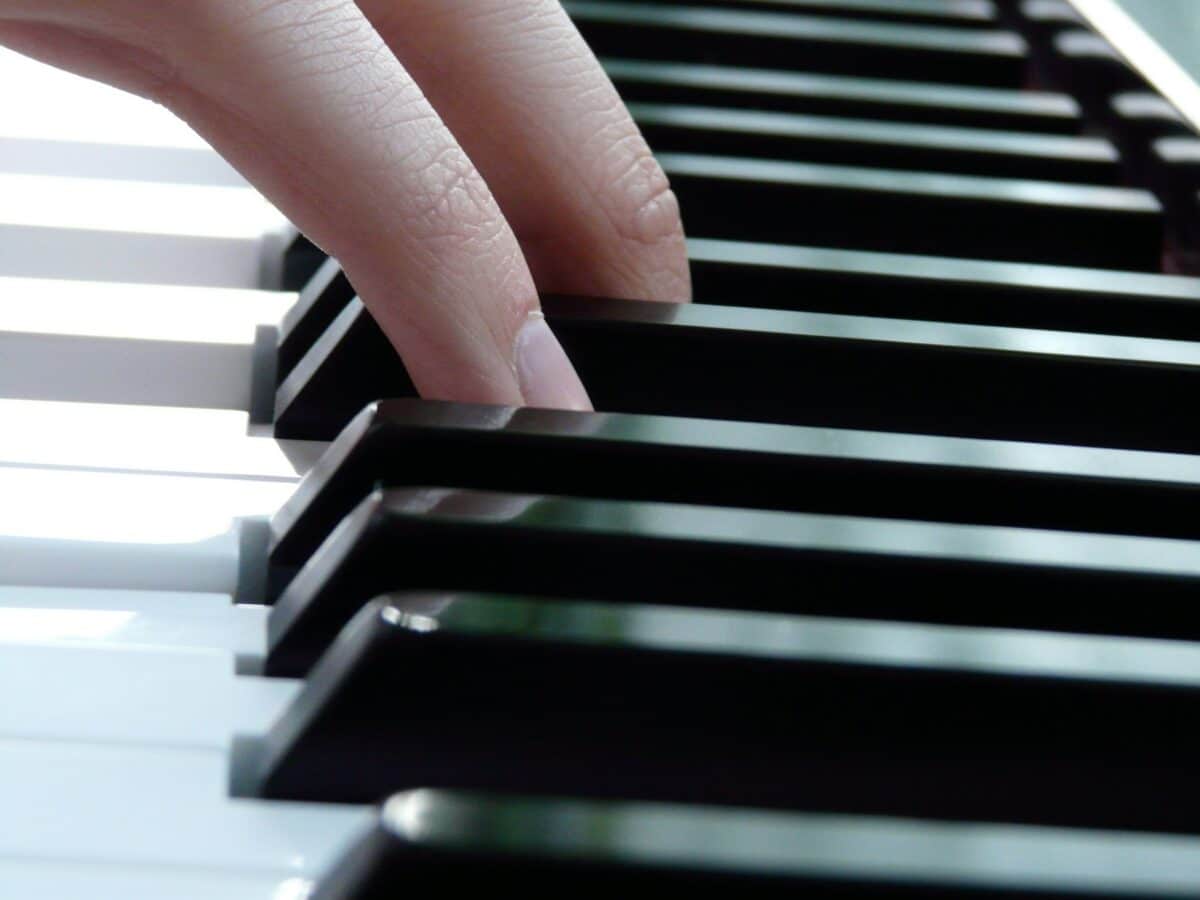
PianokeysbyHansBraxmeier Type post Author Stuart Burgess Date March 9, 2026 CategoriesAnatomyEngineeringIntelligent Design Tagged , art, Claude Debussy, cooking, dexterity, evolutionary process, evolutionary theory, exoskeleton, fingers, fitness, Formula 1 race car, go-kart, hand muscles, human brain, Menahem Pressler, motor cortex, motor units, muscle units, muscles, music, nerve pathways, prosthetic device, skillful moving, surgery, survival, technology, tool-making, touch, typing, Wolfgang Amadeus Mozart Fingers Are Fine-Tuned Far Beyond the Need for Survival Stuart Burgess March 9, 2026 Anatomy, Engineering, Intelligent Design 5 Our exoskeleton could only make simple hand grips, far short of what a healthy human hand could manage. Read More ›

man-jump-stockpack-adobe-stock-25996526-stockpack-adobestock Type post Author Stuart Burgess Date March 2, 2026 CategoriesAnatomyEngineeringIntelligent Design Tagged , ACL, anatomy, bipedal posture, cross links, cruciate ligaments, engineers, evolutionary theory, flexion, foot, four-bar linkage, hip joint, human knee, intelligent design, joints, knee joint, locking, multifunctioning, Nathan Lents, PCL, poor design, quads, rotation, squatting, standing, strength, tibia The Incredible “Floating” Human Knee Joint Stuart Burgess March 2, 2026 Anatomy, Engineering, Intelligent Design 5 I fully agree with Nathan Lents that the evolutionary paradigm predicts the knee should be a very poor design Read More ›

bare-foot-of-young-woman-walking-at-home-closeup-stockpack-a-500147124-stockpack-adobestock Type post Author Stuart Burgess Date February 23, 2026 CategoriesAnatomyIntelligent Design Tagged , anatomy, ankle fusion, ankle performance, apes, arched feet, arches, Arches National Park, Australopithecus afarensis, Carol Ward, cuboid bone, cuneiform bone, D. J. Meldrum, E. E. Sarmiento, Energy, engineering, Ethiopia, fibula, flat feet, foot, Foot and Ankle International, football, fossils, Hadar, Homo sapiens, HOMO: Journal of Comparative Human Biology, human foot, humans, irreducibly complex systems, jig, keystones, lateral arch, linkage system, lower body, Lucy, medial arch, midfoot, Nathan Lents, P. J. Mitchell, Roman arch, shock, squash, talus bone, tibia, Utah Appreciating the Irreducible Complexity of the Human Foot Stuart Burgess February 23, 2026 Anatomy, Intelligent Design 9 In the fossil record there are no transitional forms between the arched feet of humans and the flat feet of apes. Read More ›

PrinceCharlesIreland-2 Type post Author Stuart Burgess Date February 19, 2026 CategoriesAnatomyEngineeringIntelligent Design Tagged , abiogenesis, Alan Linton, biologists, biomechanics, Bristol University, David Gelernter, Dean Kenyon, evolution, evolutionary materialism, Günter Bechly, Hallmarks of Design, intelligent design, King Charles III, muscles, non-scientists, Prince Charles, Prince of Wales, Reith lecture, Richard Dawkins, technology, tendons, Ultimate Engineering, unguided evolution Friends in High Places: Prince Charles and Others Stuart Burgess February 19, 2026 Anatomy, Engineering, Intelligent Design 6 The prince’s criticism of evolutionary theory did cause quite a stir in the national press in the UK. Read More ›

DavidbyMichelangeloFIAccaJBS047-2 Type post Author Stuart Burgess Date February 9, 2026 CategoriesAnatomyEngineeringIntelligent Design Tagged , Abby Hafer, aging, arteries, bad design, biology, constraints, decay, Duke University, engineered systems, European Space Agency, evolution, evolutionary biologists, evolutionary mechanism, foresight, François Jacob, fungi, genetic flaws, heart, Human Errors, human technology, intelligent design, Jerry Coyne, joints, lubrication, Nathan Lents, reproduction, Richard Dawkins, Steven Vogel, suboptimal design, survival, The Greatest Show on Earth, The Not-So-Intelligent Designer, The Origin of Species, theistic design, tinkering, unintelligent design Bad Design, or Ultimate Engineering? Two Views of Biology Stuart Burgess February 9, 2026 Anatomy, Engineering, Intelligent Design 8 An intelligent designer can employ foresight to envision a solution well beyond anything in existence at the time, and then set about making that a reality. Read More ›