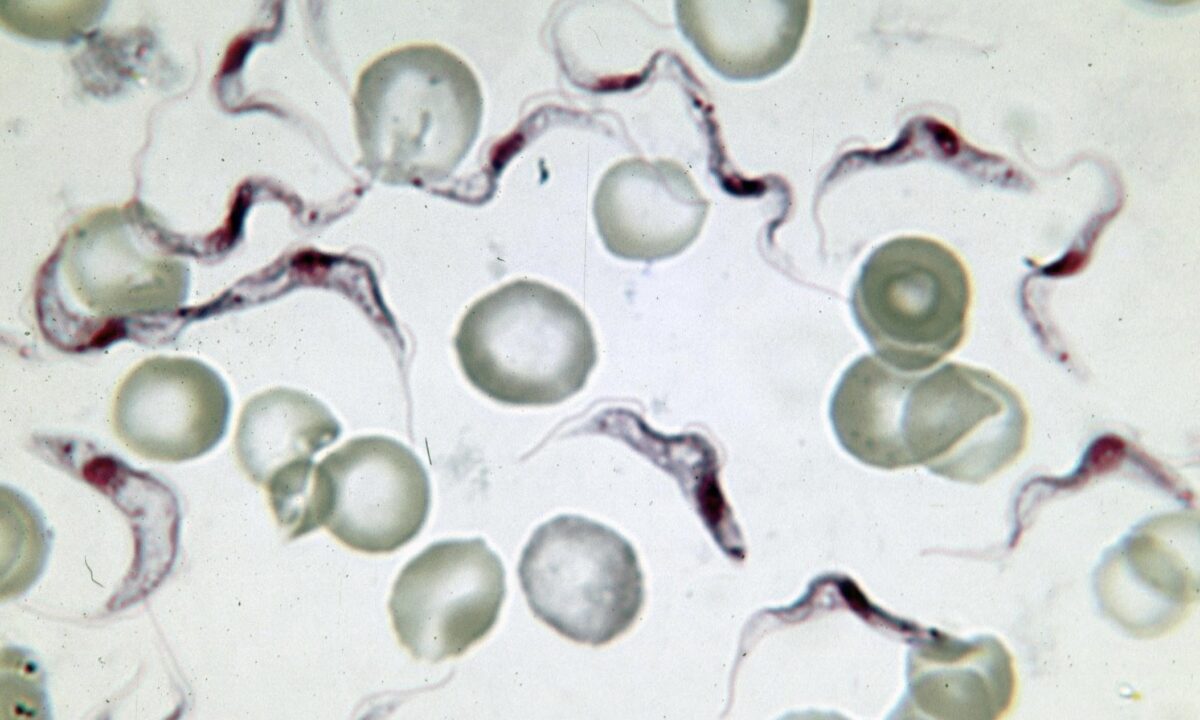
Trypanosoma-brucei Type post Author Jonathan McLatchie Date January 28, 2026 CategoriesEvolutionGeneticsIntelligent Design Tagged , Africa, African sleeping sickness, APOL1, Daniel Melamed, diseases, engineering, genes, genetic mutations, genomes, germline genome, haploid, heterozygotes, HindIII, homozygotes, Israel, malaria, MEMDS, mutation DNA, Mutation Enrichment followed by Maximum Depth Sequencing, mutation frequency, mutations, Proceedings of the National Academy of Sciences, randomness, restriction enzyme, sperm, sperm DNA, Trypanosoma brucei, University of Haifa, wild-type DNA Could Genetic Mutations Be Non-Random? New Evidence for Mutational Bias Jonathan McLatchie January 28, 2026 Evolution, Genetics, Intelligent Design 4 The researchers examined the emergence of a mutation in the human APOL1 gene that confers protection from African sleeping sickness. Read More ›
chimp-human Type post Author Casey Luskin Date May 27, 2025 CategoriesEvolutionHuman ExceptionalismHuman Origins and Anthropology Tagged , 1 percent myth, 1 percent myth (series), ape genomes, biologists, biology, chimpanzees, chromosomes, common descent, diploidal genome, gap divergence, genome, genomic analysis, haploid, human exceptionalism, human genome, humans, Nature (journal), non-sex chromosomes, nucleotides, Progressive Cactus, Research, sex chromosomes, software, Supplementary Data Additional Method of Analysis Confirms Human-Chimp Genomes Are About 15 Percent Different Casey Luskin May 27, 2025 Evolution, Human Exceptionalism, Human Origins and Anthropology 6 This number is only looking at the non-sex chromosomes. When you look at the sex chromosomes, the differences seem to be even greater. Read More ›
Type post Author Wolf-Ekkehard Lönnig Date July 25, 2016 CategoriesBotanyEvolution Tagged , __tedited, adaptation, alleles, Darwinian mechanisms, diploidal genome, haploid, Joe Felsenstein, misrepresentation, mutation rate, natural selection, naturalists, Nature, non-random mutation, population genetics, positive selection, random mutation, random processes, randomness, Response to Criticism, zoologists In Terror of Chipmunks: A Response to Joseph Felsenstein Wolf-Ekkehard Lönnig July 25, 2016 Botany, Evolution 22 Seldom have I seen a piece of scientifically inspired writing like Felsenstein's that is so far off the mark. Read More ›