AbutterflyfeedingonthetearsofaturtleinEcuador Type post Author Stephen J. Iacoboni Date October 30, 2026 CategoriesEvolutionIntelligent Design Tagged , __featured2, agency, agency theory, Aristotle, Beyond Mechanism, bioelectricity, Biological Theory, biology, Cellular and Molecular Life Sciences, cellular biology, cheetah, chemical stimuli, cognitive biology, Evolution “On Purpose”, fear, goal-directedness, heart, hunger, immanent design, intelligent design, James Shapiro, kidney, libido, Little Gidding, living systems, materialistic paradigm, Michael Levin, Modern Synthesis, Neo-Darwinism, Pamela Lyons, Peter A. Corning, prokaryotes, science of purpose, Stuart Kauffman, Studies in History and Philosophy of Science, T. S. Elliot, thirst Immanent Agency: It’s Evolution by Design, After All Stephen J. Iacoboni October 30, 2026 Evolution, Intelligent Design 9 Agency theory as proposed certainly is not "magic," but it specifically invokes teleology within its operating framework. Read More ›
glittering-dna-helix-with-golden-particles-in-a-biotech-conc-1236412263-stockpack-adobestock Type post Author Casey Luskin Date August 11, 2026 CategoriesGeneticsIntelligent Design Tagged , acetyl tags, biochemical functionality, BioEssays, biological codes, Biological Theory, biology, code, control, convergence, DNA, ENCODE project, evolution, First Things, Forrest Mims, Francis Collins, genes, Genome Biology and Evolution, Human Genome Project, information, information compression, intelligent design, Jonathan Wells, junk DNA, methyl tags, Michael Levin, mind, ontogenetic information, paradigm shift, phylogenetic signal, phylogenomic conflict, Platonism, random mutations, repetitive DNA, Richard Sternberg, Science (journal), science stopper, Simon Conway Morris, Taking Stock at 30 (series), Third Way of Evolution, Tufts University, William Dembski, Winston Ewert Thirty Years of Intelligent Design Predicting the Unexpected Genome Casey Luskin August 11, 2026 Genetics, Intelligent Design 10 Jonathan Wells’s review was important, but it only scratches the surface of information in biology outside of the DNA. Read More ›
concept-of-biochemistry-with-dna-molecule-human-face-dna-on-618058504-stockpack-adobestock Type post Date March 4, 2026 CategoriesBiologyEvolutionIntelligent Design Tagged , academia, Aristotle, Biological Theory, Brian Charlesworth, Brian Miller, careers, cognition, computer code, David B. Resnik, designer, Douglas Futuyma, Gen Z, gender issues, goal-directedness, graduate school, intelligence, intentionality, Jerry Coyne, Michael Levin, neo-Darwinians, neuroscience, Plato, Plato's Revenge, purpose, reactionaries, Richard Dawkins, Richard Sternberg, Stuart Burgess, teleology, Tufts University The Levin Teleology Revolution Is Here Science & Culture March 4, 2026 Biology, Evolution, Intelligent Design 4 He has assembled a global community of like-minded investigators who openly advocate teleological arguments harking back to Aristotle and Plato. Read More ›
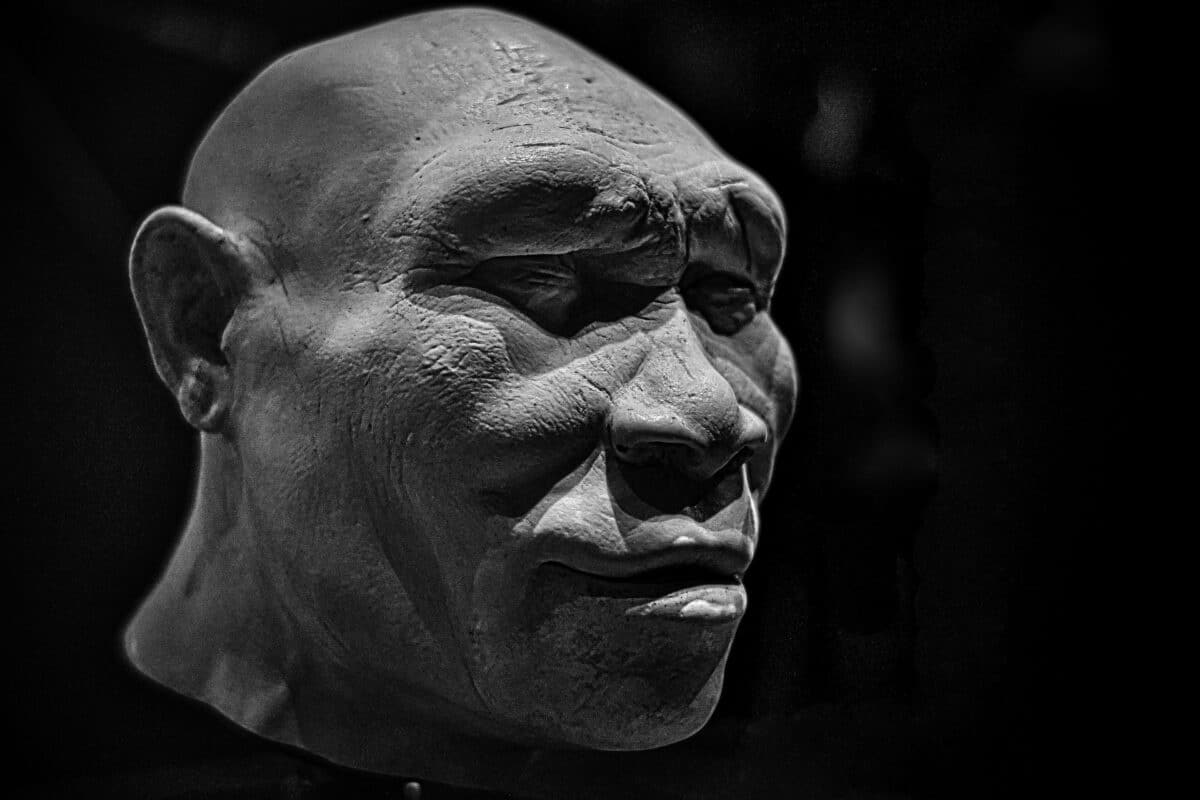
HomoerectusreconstructionNaturalHistoryMuseumLondon Type post Author Casey Luskin Date February 23, 2026 CategoriesHuman Origins and AnthropologyLinguistics Tagged , Acheulean stone tools, Africa, Biological Theory, brain size, brain volume, Denisovans, encephalization quotient, evolution, FOXP2, genes, Homo erectus, human origins, humans, hunting, hyoid, Indonesia, intellectual capabilities, language, laryngeal air sacs, linguistic communication, modern humans, Neanderthals, seafaring, speaking, symbols, thinking Paper Defends Spoken Language in Homo erectus Casey Luskin February 23, 2026 Human Origins and Anthropology, Linguistics 9 The first thing that comes to mind in the context of intellectual capabilities is brain size. Read More ›