






































Science and Culture Today Discovering Design in Nature
Topic

nervous system

gymnastics
Photo credit: Pierre-Yves Beaudouin / Wikimedia Commons.

The Incredible Design of Muscles

To understand the limitations of evolutionary mechanisms, we have to “bite the bullet of complexity,” as biochemist Michael Behe writes. Read More ›
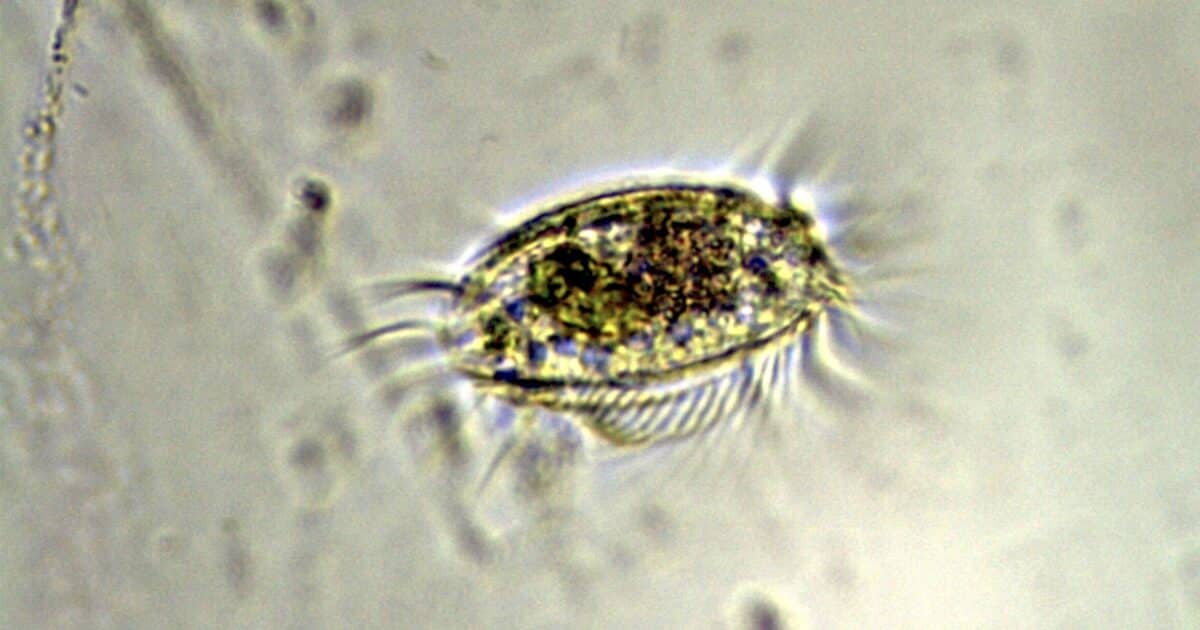
Euplotes
Photo: Euplotes, by Galbas, CC BY 4.0 <https://creativecommons.org/licenses/by/4.0>, via Wikimedia Commons.

Walking Cells and Other Surprises Among Protists — An Evolutionary Challenge

That many show no clear phylogenetic connection with other microbes, and may contain unique morphological structures, poses a severe challenge to Darwinism. Read More ›
cat sleeping
Photo credit: Kate Stone Matheson, via Unsplash.

Sleeping and Waking — A Designer’s Gift

Why is sleeping, in which the conscious mind/brain is asleep, categorically more restful and recuperative to the body than merely lying down? Read More ›
crab pincers
Photo credit: David Spode, via Unsplash.

Can Animal Minds Explain Human Minds?

Kristin Andrews thinks consciousness researchers should discard the assumptions of “white, male and WEIRD” philosophy profs and study more crabs. Read More ›
muscles
Photo credit: Alexander Jawfox via Unsplash.

The Incredible Design of Muscles

At the very least, on the supposition of intelligent design, the existence of muscles is not particularly surprising. Read More ›
octopus
Photo credit: Qijin Xu via Unsplash.

Octopus Intelligence — A Challenge for Evolution

Could such a different neurology really evolve purely by natural selection acting on random mutations? Read More ›
Hallucigenia
Image: Hallucigenia, by Scorpion451, CC BY-SA 4.0 <https://creativecommons.org/licenses/by-sa/4.0>, via Wikimedia Commons.

In Resolving Darwin’s Doubt, These Cambrian Fossils Are No Help
This is hierarchical organization, none of which is seen in the Precambrian layers beneath. Read More ›
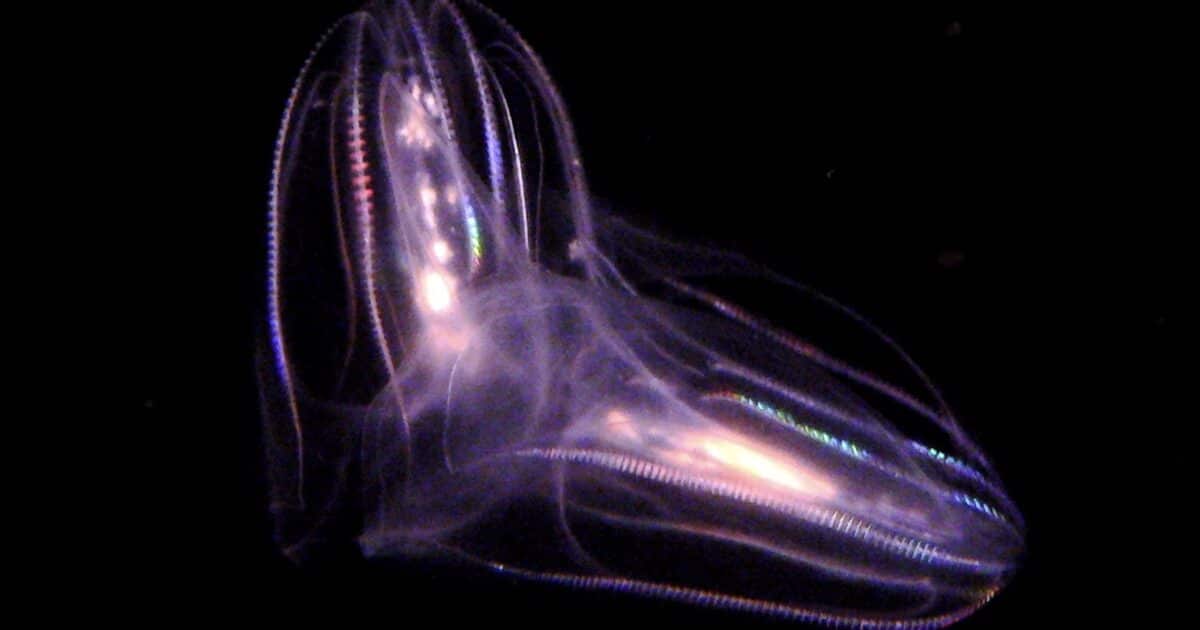
comb jelly
Photo: A comb jelly, by Steve Jurvetson from Menlo Park, USA, CC BY 2.0 <https://creativecommons.org/licenses/by/2.0>, via Wikimedia Commons.

Earliest Comb Jellies Wore Armor — “Remarkable,” Say Researchers

It would be surprising, under an evolutionary view, to find such a complex system in the earliest animal fossils. Read More ›
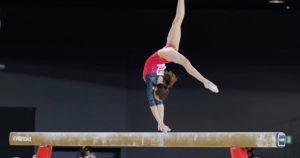
gymnastics
Photo credit: Pierre-Yves Beaudouin / Wikimedia Commons.

Balance: Bipeds Need It; Where Did It Come From?

“The calyx appeared,” says Dr. Rob Raphael. A more magical explanation could hardly be fabricated. Read More ›
octopus-bimaculoides-3-credit-tom-kleindinst-sized
octopus
Photo: California two-spot octopus, by Tom Kleindinst via Marine Biological Laboratory.

MicroRNAs: A New Clue About Octopus Intelligence?

While octopus brains are very different from vertebrate brains, they share with vertebrates, a huge number of microRNAs. Read More ›

© Discovery Institute