Science and Culture Today Discovering Design in Nature
Topic

microbial mats

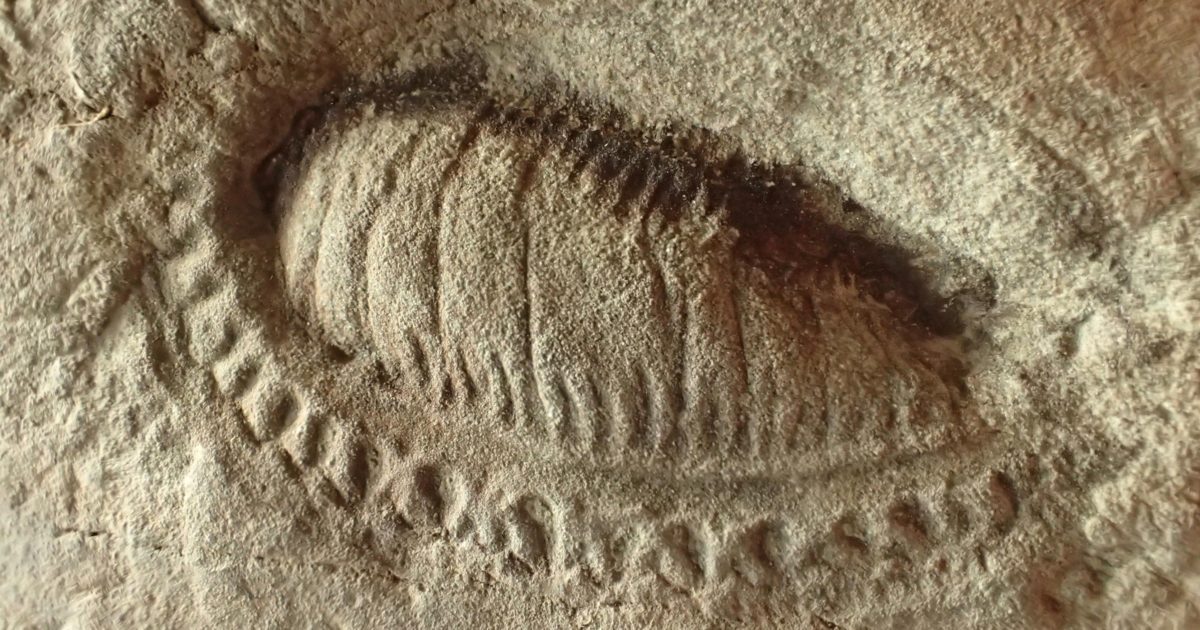
Cyclomedusa_Muséum_Grenoble_03082017
Photo credit: Vassil, CC0, via Wikimedia Commons.

Fossil Friday: An Ediacaran Animal with a Question Mark

To claim that such undefinable blobs in sandstone represent fossils of the oldest motile animals is massively overselling the evidence to say the least. Read More ›
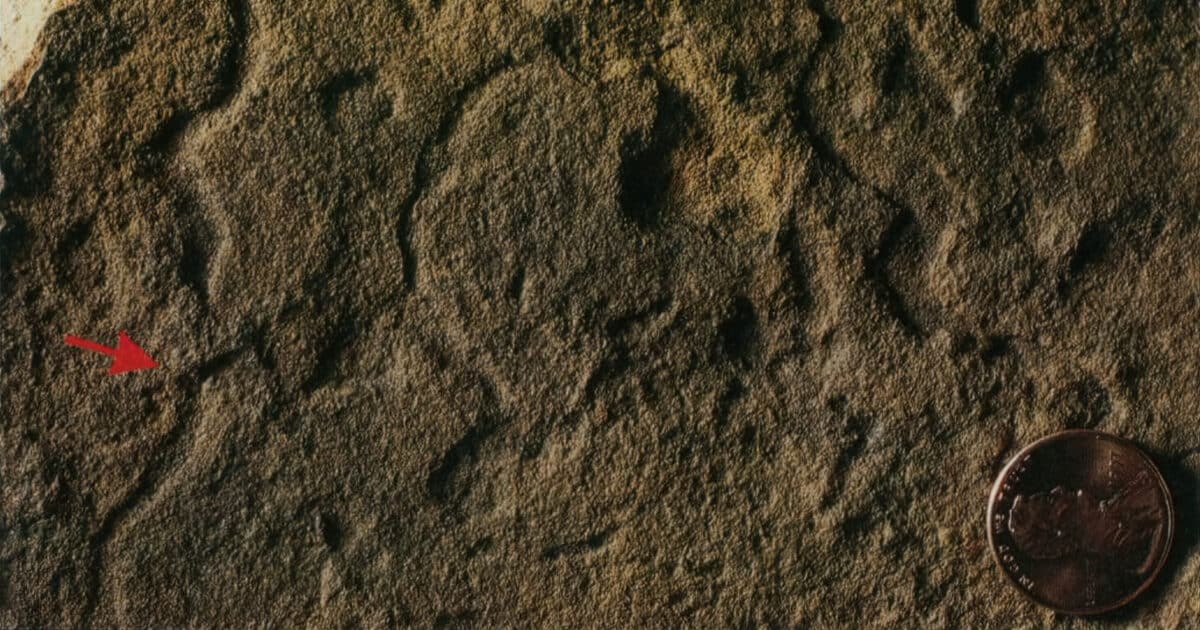
Vindhyan
Photo: Alleged Vindhyan worm burrows, from Seilacher et al. 1998 fig. 2, fair use.

Fossil Friday: The Vindhyan Controversy and Debunking Alleged Ediacaran and Cambrian Fossils
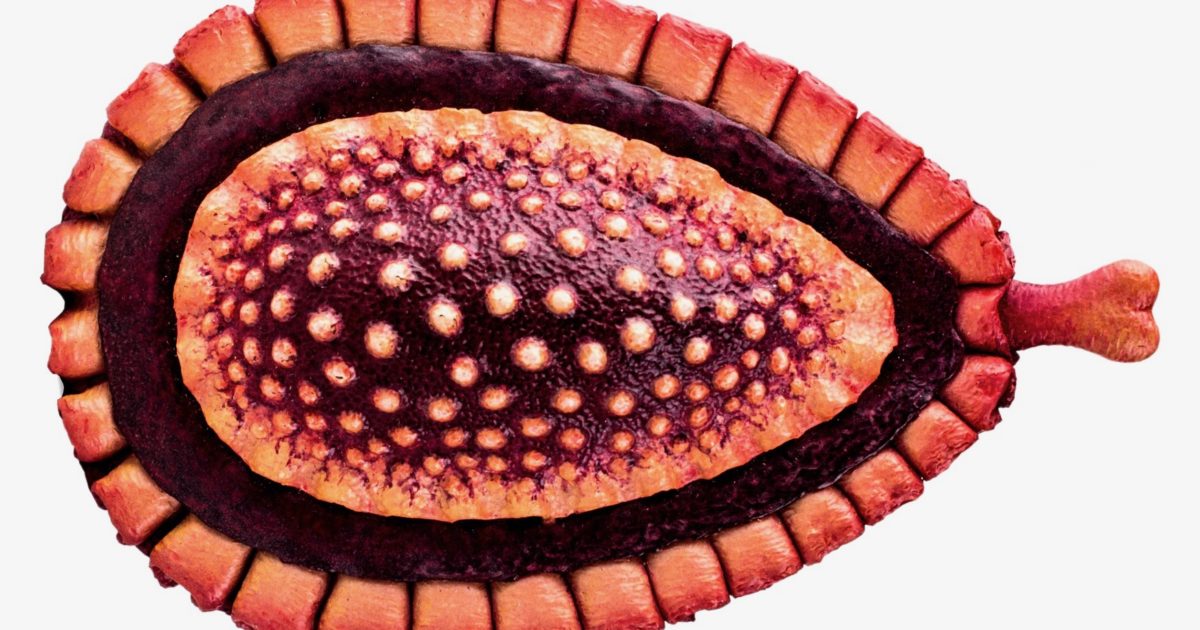
The fancy speculations about the evolution of multicellular life and early animals turned out to be just smoke and mirrors. Read More ›
Kimberella quadrata
Kimberella quadrata
Image: Kimberella quadrata, by MUSE / CC BY-SA (https://creativecommons.org/licenses/by-sa/3.0).

Kimberella — The Oldest Radula (Not)

There is a strange fact that shows that any interpretation of these trace fossils has to be taken with a grain of salt. Read More ›
Ventral death-mask of Kimberella quadrata
Kimberella quadrata, an Edicaran organism, by Masahiro miyasaka / CC BY-SA (https://creativecommons.org/licenses/by-sa/4.0).

Kimberella — Traces and a Trace-maker
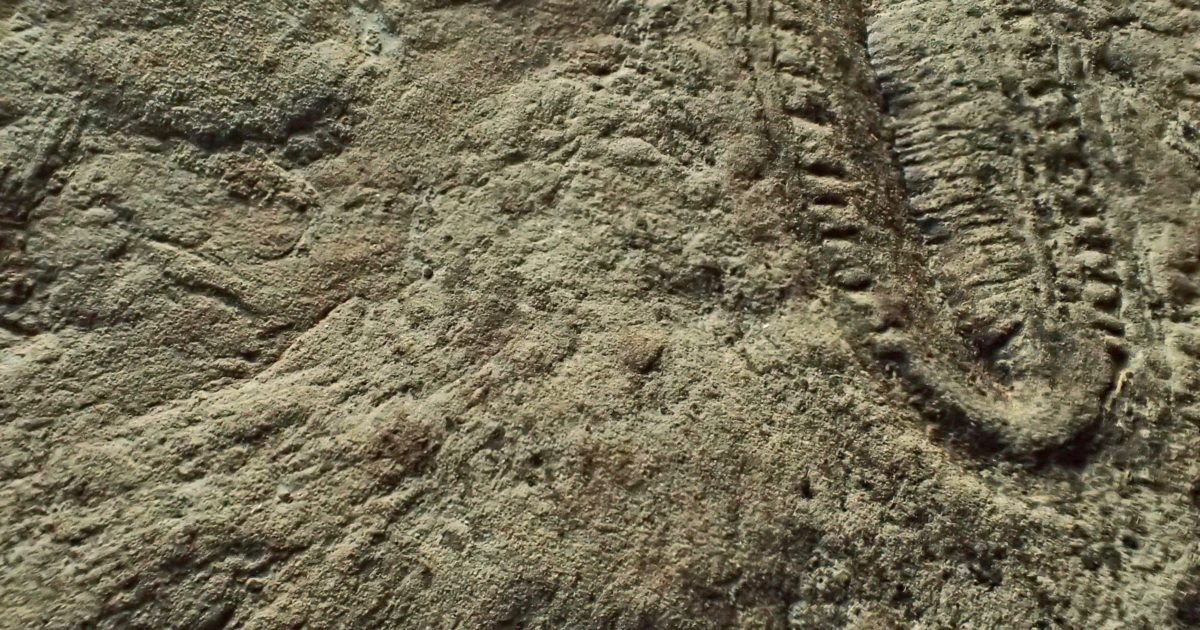
The body fossils are generally positioned at the focal points of the fan-shaped scratch marks. Read More ›
Kimberella quadrata with associated scratch marks
Photo: Kimberella quadrata with associated scratch marks as putative feeding traces, by Masahiro miyasaka / CC BY-SA (https://creativecommons.org/licenses/by-sa/4.0).

Kimberella — Controversial Scratch Marks
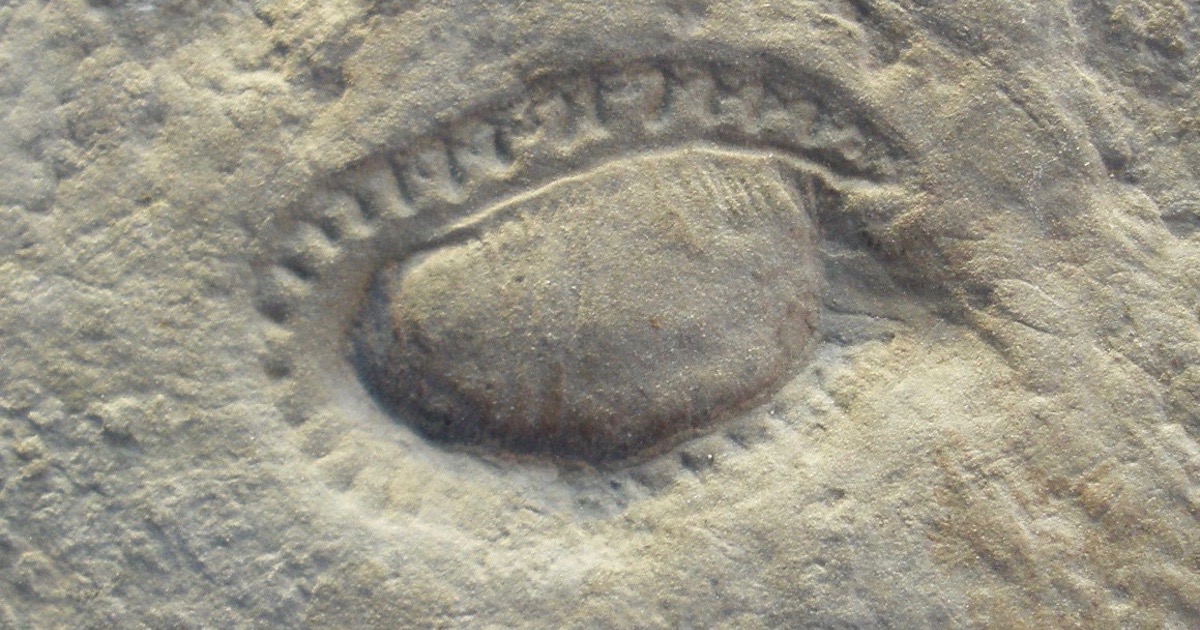
A former teacher of mine was the late Adolf Seilacher, who was a leading authority on trace fossils and who for obvious reasons preferred to be called "Dolf." Read More ›
Kimberella quadrata
Kimberella quadrata
Photo: Kimberella quadrata, by Ghedoghedo / CC BY-SA (https://creativecommons.org/licenses/by-sa/3.0).

Kimberella — Interpreting the Fossils
One of the few features that are uncontroversial is the body size: The fossils measure usually 1-5 cm in length. Read More ›
Ikaria-wariootia

Ancestor of All Animals in 555-Million-Year-Old Ediacaran Sediments?
Ikaria wariootia is just another problematic Ediacaran fossil that could be anything from inorganic artifact to protozoan to cnidarian and yes, maybe a bilaterian worm. Read More ›
Dickinsonia

Cambrian Explosion Blues

Here’s a sampling of the latest speculations about the Cambrian explosion. Read More ›
mitosis

Biologist Scott Turner’s Purpose and Desire, In His Own Words

If Turner is right, the clockwork, mechanistic, DNA-centric model may have met its match. Read More ›

© Discovery Institute