Science and Culture Today Discovering Design in Nature
Topic

Ediacaran organisms

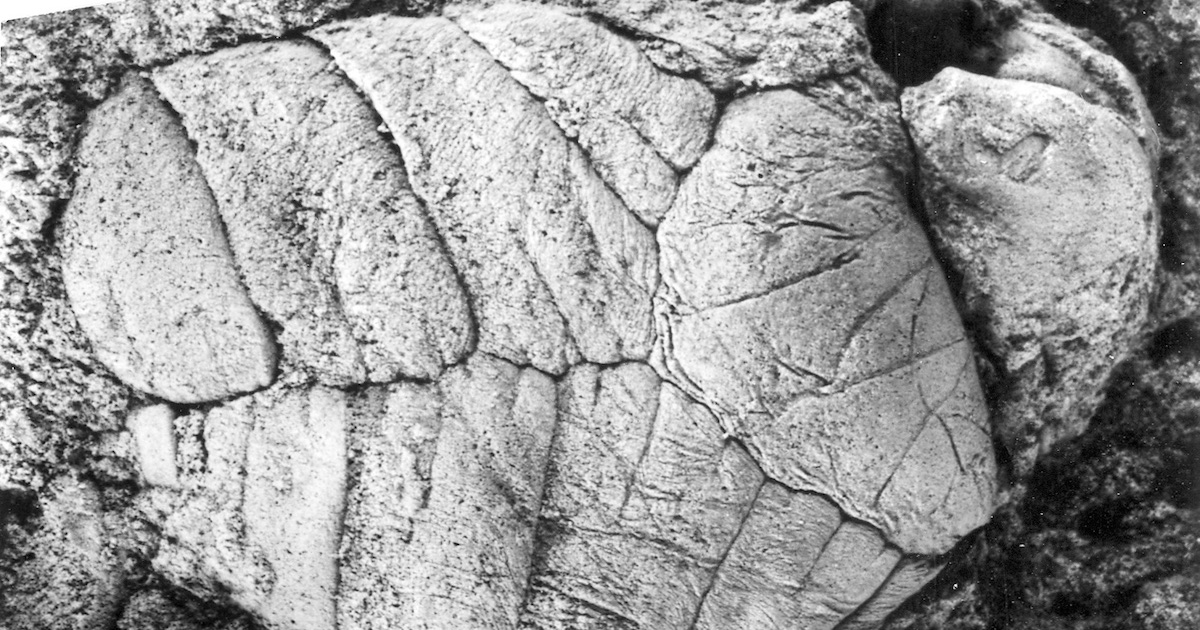
Charnia-masoni
Photo: Charnia masoni, by Verisimilus at English Wikipedia, CC BY-SA 3.0 <http://creativecommons.org/licenses/by-sa/3.0/>, via Wikimedia Commons.

No. 3 Story of 2023: Textbook Wisdom on Origin of Multicellular Life Turns Out to Be Wrong

Incidentally, a few days ago I received a message from my paleobiologist colleague Dr. Ken Towe, a retired senior scientist at the Smithsonian Institution. Read More ›
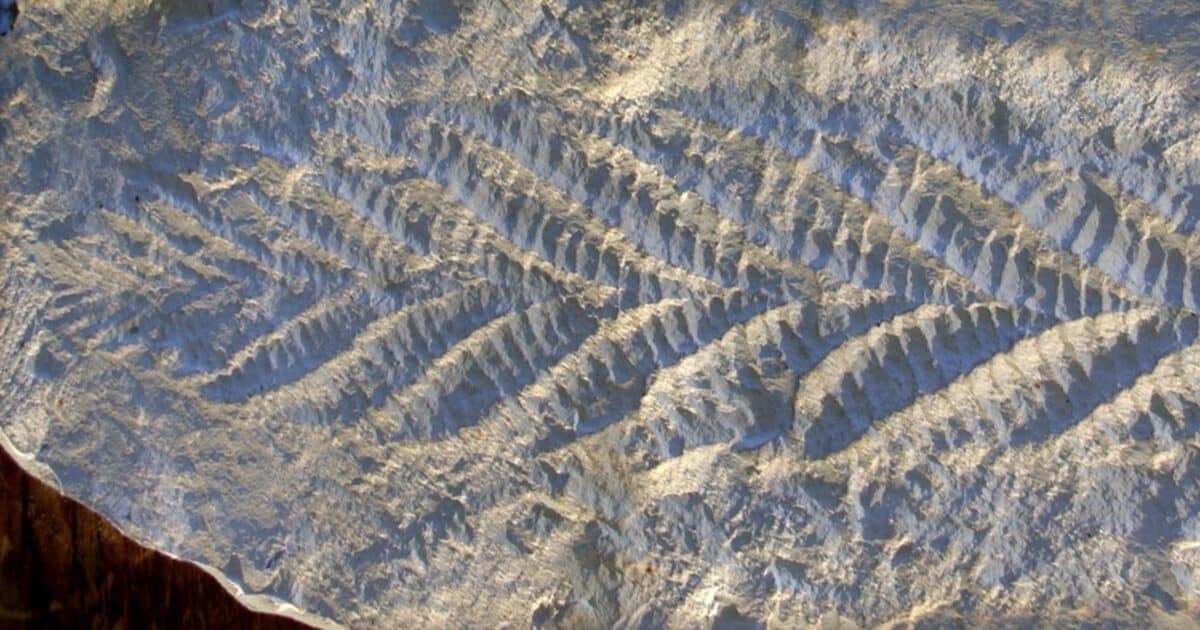
Charnia-masoni
Photo: Charnia masoni, by Verisimilus at English Wikipedia, CC BY-SA 3.0 <http://creativecommons.org/licenses/by-sa/3.0/>, via Wikimedia Commons.

Fossil Friday: Seventy Years of Textbook Wisdom on Origin of Multicellular Life Turns Out to Be Wrong
Incidentally, a few days ago I received a message from my paleobiologist colleague Dr. Ken Towe, a retired senior scientist at the Smithsonian Institution. Read More ›
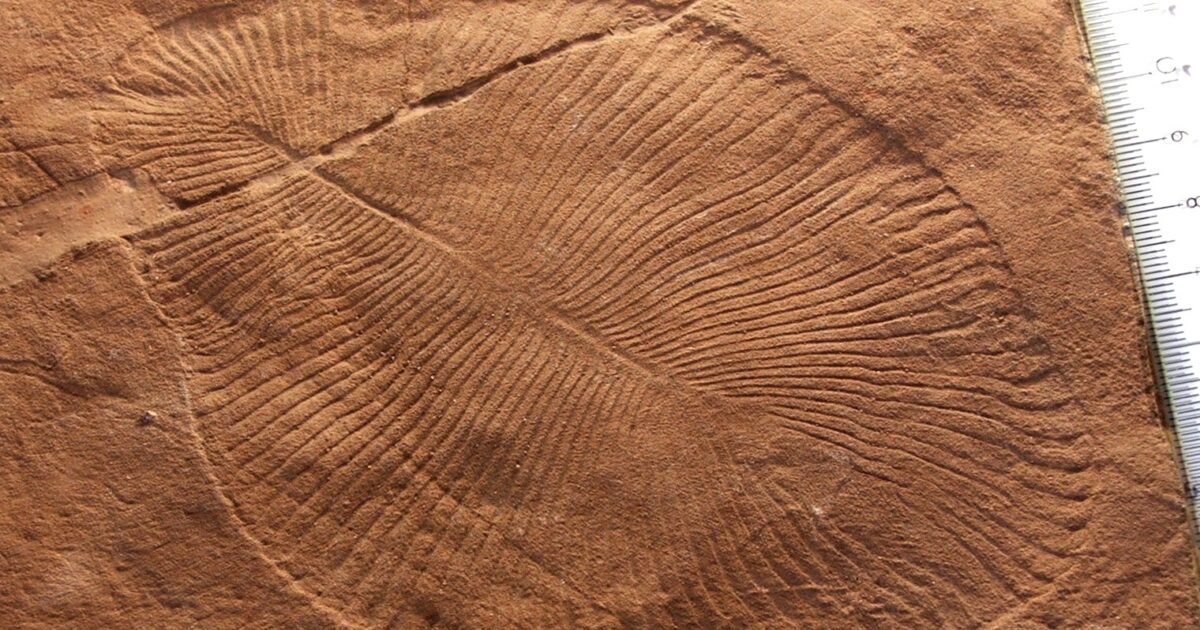
Dickinsonia
Photo: Dickinsonia, by Smith609 at English Wikipedia, CC BY-SA 3.0 <http://creativecommons.org/licenses/by-sa/3.0/>, via Wikimedia Commons.

Fossil Friday: Dickinsonia, the Ediacaran Animal that Wasn’t
Gregory Retallack is a kind of maverick paleontologist, who endorses a fringe hypothesis that Ediacaran organisms were not marine but terrestrial lichens. Read More ›
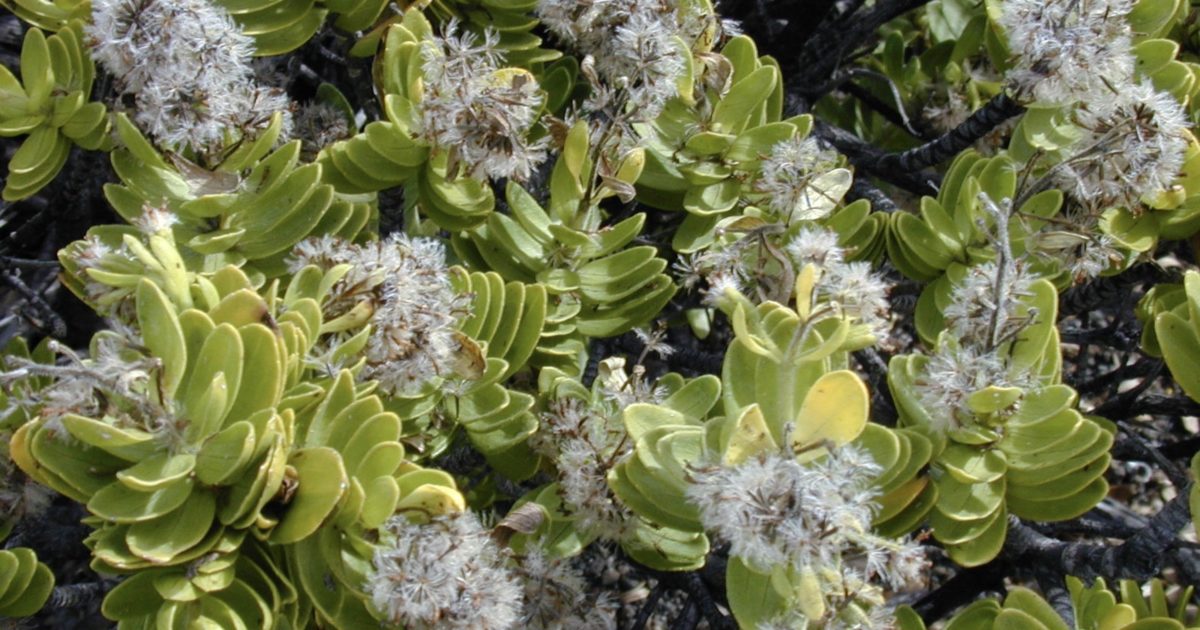
Dubautia menziesii
Photo: Dubautia menziesii, by Forest & Kim Starr, CC BY 3.0 <https://creativecommons.org/licenses/by/3.0>, via Wikimedia Commons.

Fact Check: Hawaiian Silverswords Fail the Species Pair Challenge

Even though the differences appear superficially striking, they do not involve any novel body plans (i.e., no new proteins, new tissues, or new organs). Read More ›
Fireworks over Seattle
fireworks
Photo credit: Shannon Kringen from Seattle [CC BY-SA 2.0], via Wikimedia Commons.

Happy New Year! #1 Story of 2021: Cambrian Explosion Goes Nuclear
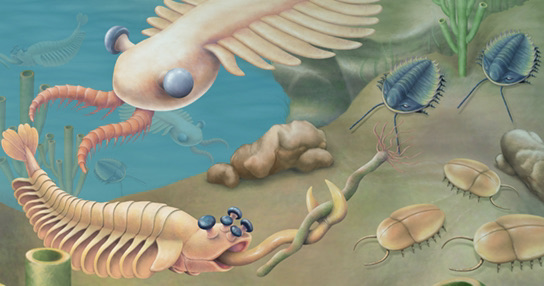
Here are two very interesting updates to my recent articles on alleged Ediacaran animals and the Cambrian Explosion. Read More ›
Cambrian animal phyla
Image: Cambrian animal phyla, by CNX OpenStax, CC BY 4.0 <https://creativecommons.org/licenses/by/4.0>, via Wikimedia Commons.

The Cambrian Explosion Has Just Gone Nuclear
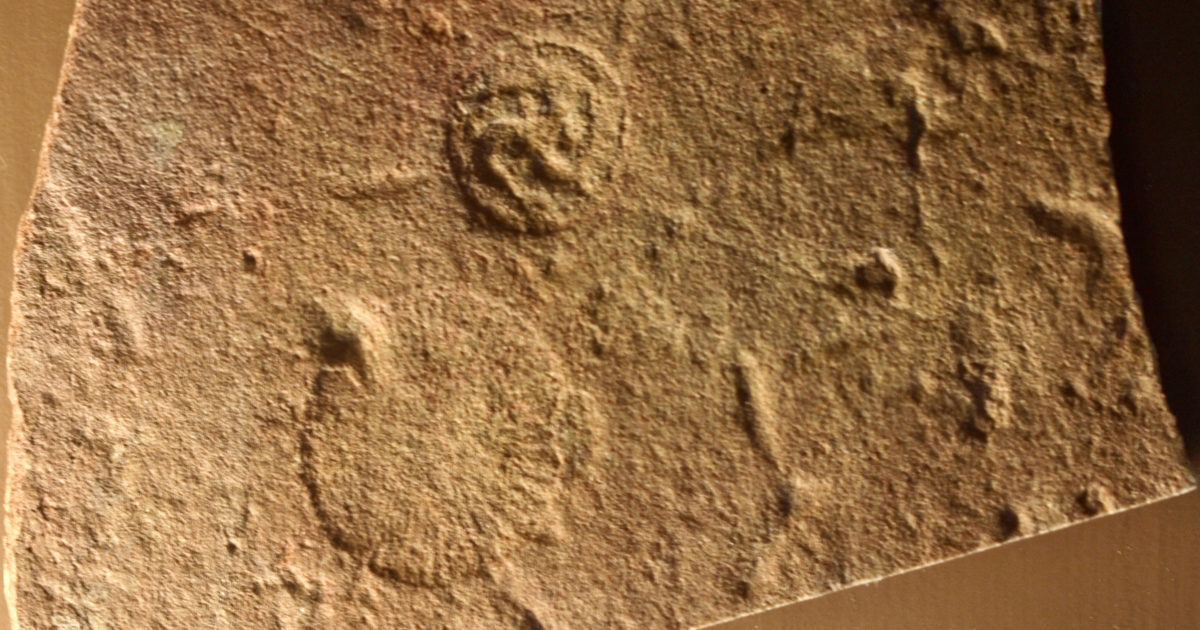
Here are two very interesting updates to my recent articles on alleged Ediacaran animals and the Cambrian Explosion. Read More ›
Tribrachidium
Photo: Tribrachidium, by Captmondo, CC BY-SA 3.0 <https://creativecommons.org/licenses/by-sa/3.0>, via Wikimedia Commons.

Evans et al. (2021): All Four Examples Debunked
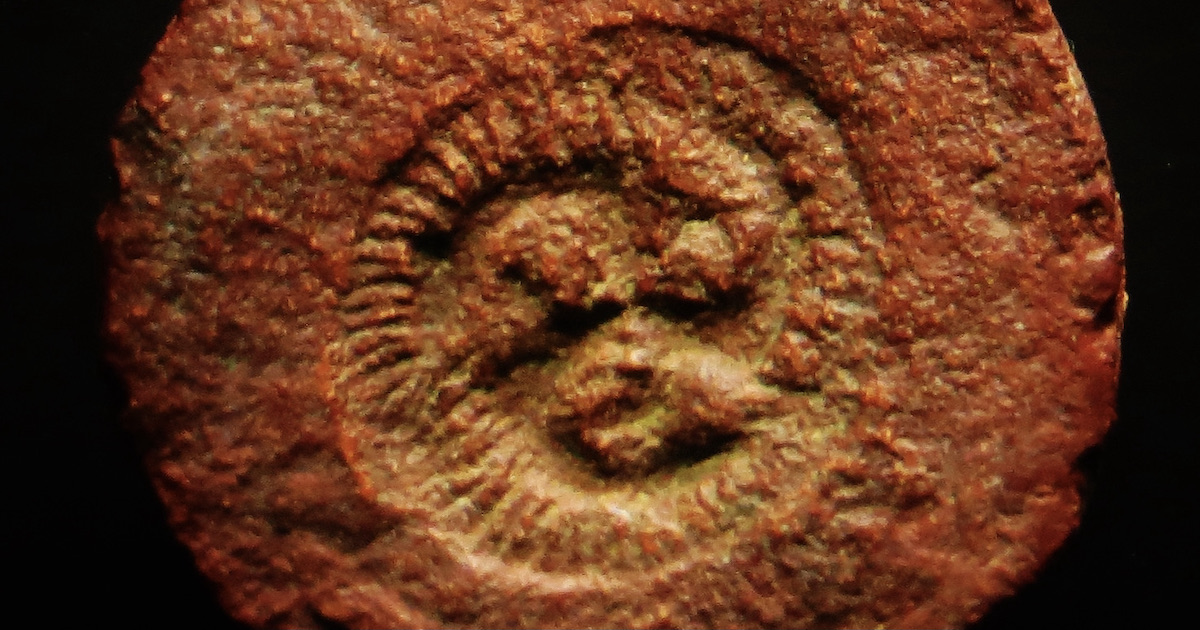
Evans et al. (2021) seem to have been well aware of the circular reasoning in their argument. Read More ›
Tribrachidium
Photo: Tribrachidium, by https://upload.wikimedia.org/wikipedia/commons/a/a3/Tribrachidium_heraldicum_34.jpg.

Unknown Biology of Trilobozoa

Not much is known about the anatomy, biology, and ecology of the enigmatic trilobozoans. Read More ›
Ventogyrus
Photo: Ventogyrus, by Retallack, CC BY-SA 4.0 <https://creativecommons.org/licenses/by-sa/4.0>, via Wikimedia Commons.

Examining Potential Other Trilobozoans
Last but not least, there is this gem: In 1986 strange mushroom-shaped deep-sea animals were collected offshore South Australia. Read More ›
Dickinsonia
Cambrian explosion
Photo: Dickinsonia, by Verisimilus at English Wikipedia, CC BY-SA 3.0 <http://creativecommons.org/licenses/by-sa/3.0/>, via Wikimedia Commons.

Ediacarans Are Not Animals

Even Evans et al. (2021) themselves admitt that "phylogenetic affinities for most of the Ediacara Biota remain enigmatic." Read More ›

© Discovery Institute