






































Science and Culture Today Discovering Design in Nature
Topic

phenotypic plasticity
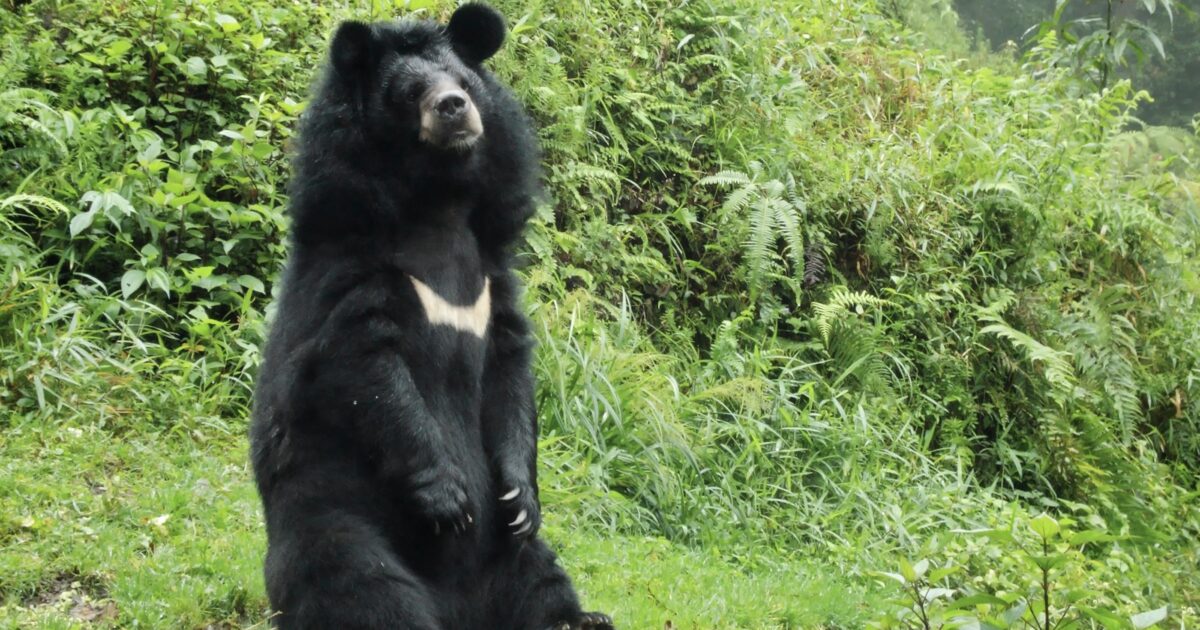
leaves
Photo credit: Rémi Walle, via Unsplash.

Physics and Chemistry Could Not Give Rise to Biology

The laws of nature provide stable conditions and physical boundaries within which biological outcomes are possible. Read More ›
Asian black bear
Photo: Asian black bear, by Joydeep, CC BY-SA 3.0 <https://creativecommons.org/licenses/by-sa/3.0>, via Wikimedia Commons.

Günter Bechly: Species Pairs Wreck Darwinism
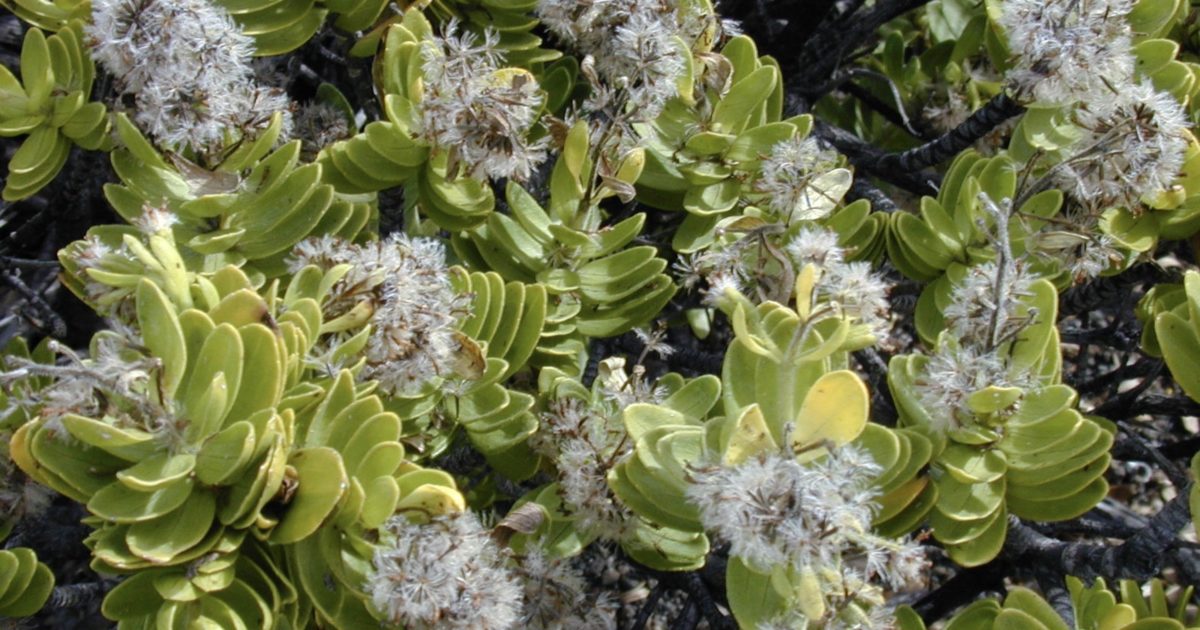
Bechly and host Casey Luskin discuss cattle and bison, horses and donkeys, the Asian black bear and the South American spectacled bear, and more. Read More ›
Dubautia menziesii
Photo: Dubautia menziesii, by Forest & Kim Starr, CC BY 3.0 <https://creativecommons.org/licenses/by/3.0>, via Wikimedia Commons.

Fact Check: Hawaiian Silverswords Fail the Species Pair Challenge
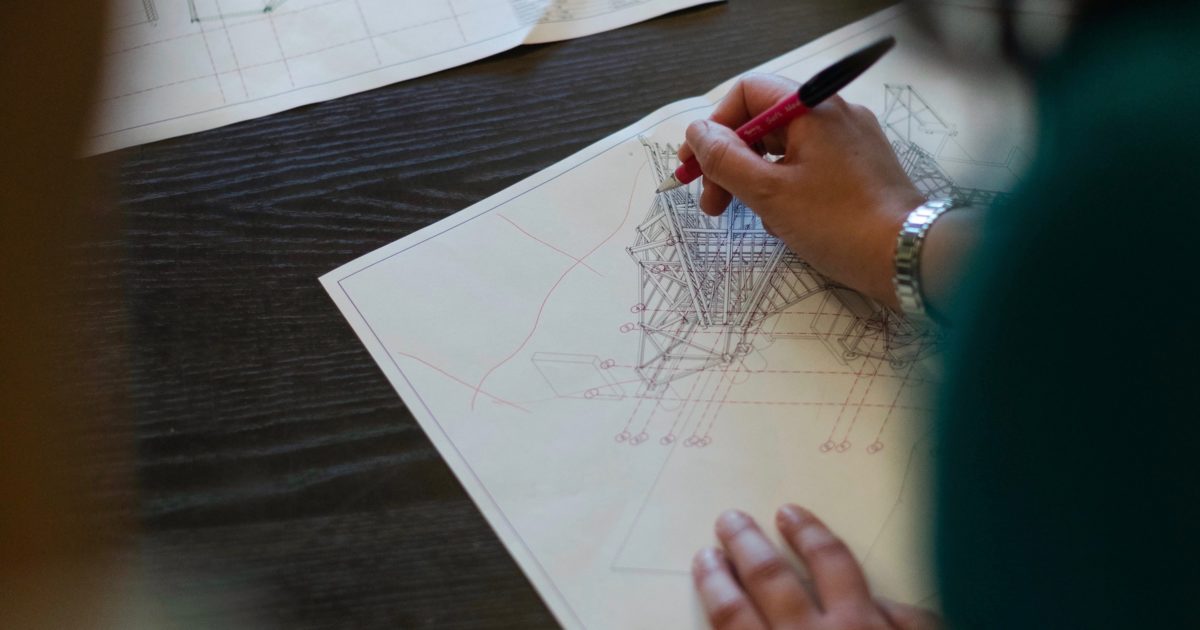
Even though the differences appear superficially striking, they do not involve any novel body plans (i.e., no new proteins, new tissues, or new organs). Read More ›
engineering
Photo credit: ThisisEngineering RAEng, via Unsplash.

Engineers Crash the Evolution Party, Rethink Biological Variation
Miller and Luskin discuss fruit flies, finch beaks, stickleback fish, mutational hotspots, phenotypic plasticity, and the gravity well model. Read More ›
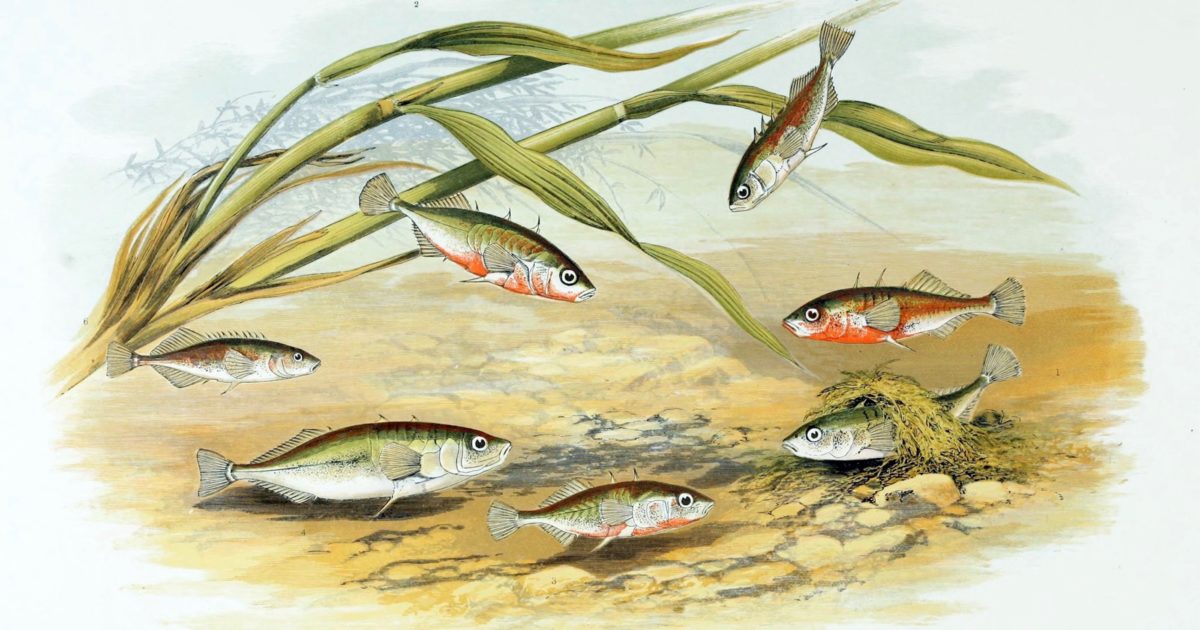
three-spine sticklebacks
Image: Three-spine stickleback, by Alexander Francis Lydon, Public domain, via Wikimedia Commons.

Studies on Stickleback Fish Further Validate Engineering Models for Adaptation

Cichlid and stickleback fish are two of the most iconic examples of adaption that biologists present as evidence for the plausibility of evolutionary processes. Read More ›
cichlid fish
cichlid fish
Photo: Cichlid fish, by Russell D. Fernald and Sabrina S. Burmeister / CC BY (https://creativecommons.org/licenses/by/2.5).

Studies on Cichlid Fish Demonstrate the Predictive Power of Engineering Models for Adaptation
Cichlid variation do not primarily originate from random mutations but from engineered systems. Read More ›
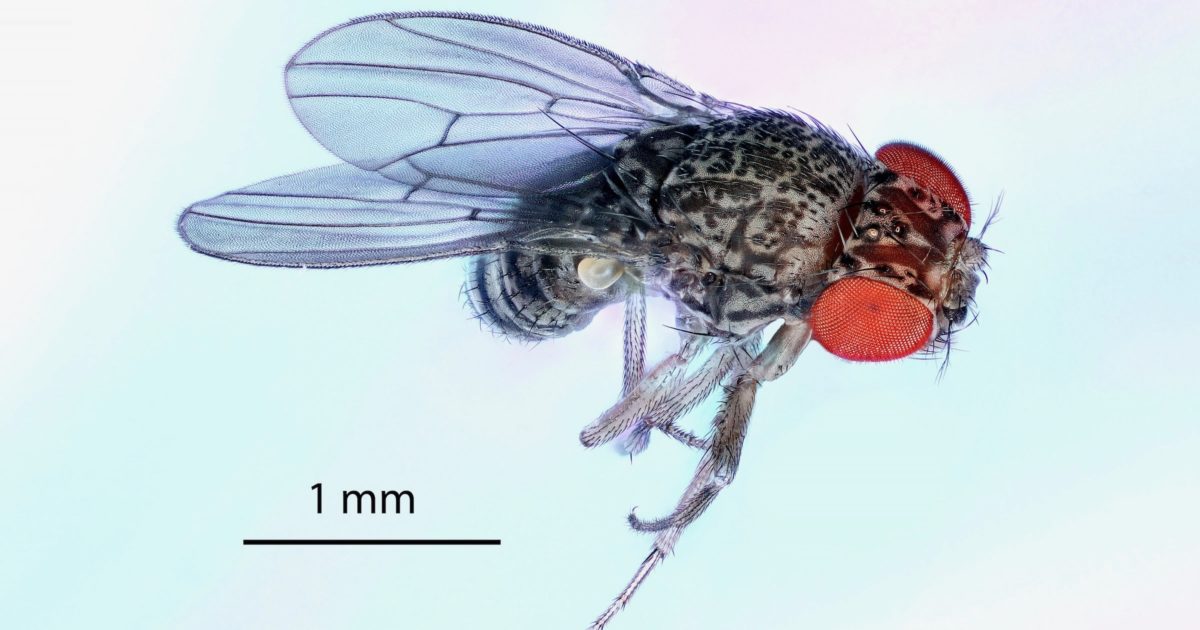
fruit fly
Photo: A fruit fly, by Macroscopic Solutions, via Flickr.

Studies on Insect Wings Validate Engineering Models for Adaptation
The “long-winged” phenotype is generated if the environmental conditions deteriorate due to reduced food supply or overpopulation. Read More ›
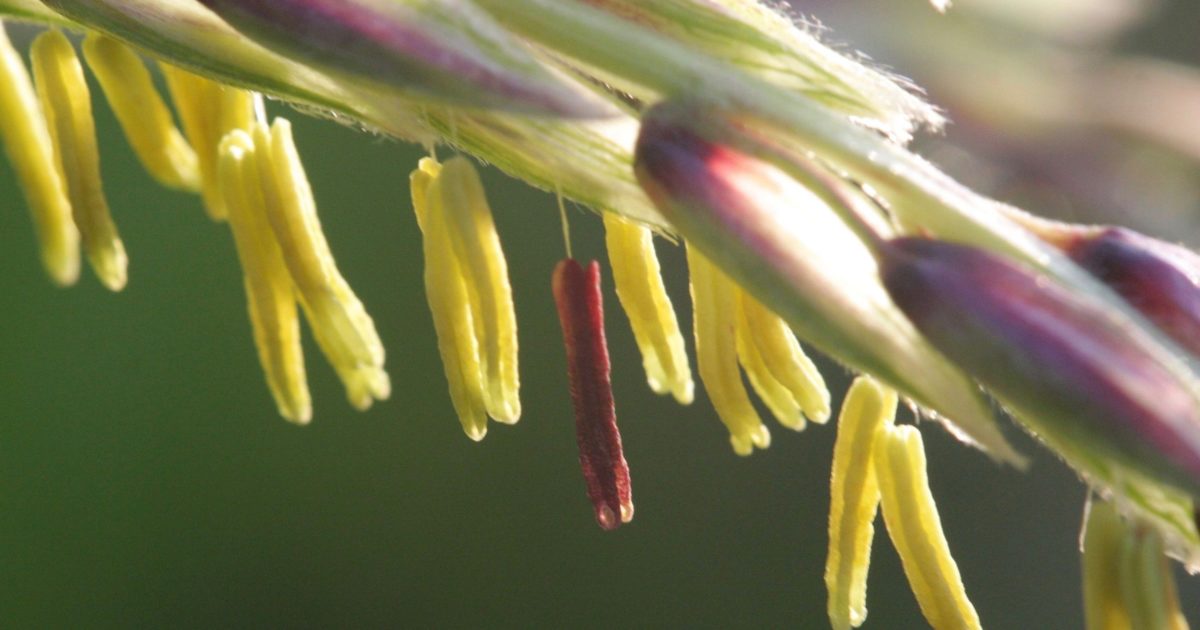
maize

Nearly All of Evolution Is Best Explained by Engineering

Transposable elements modify gene regulation in maize to confer drought tolerance, alter flowering time, and enable plants to grow in toxic aluminum soils. Read More ›
cichlid fish
cichlid fish
Photo: Cichlid fish, by Russell D. Fernald and Sabrina S. Burmeister / CC BY (https://creativecommons.org/licenses/by/2.5).

Cells Reach Out and Touch, Providing Evidence of Foresight and Design

Cells are equipped with sensors that recognize touch and respond accordingly. They can even reach out to other cells with nanoscopic tunnels and share parts. Read More ›

© Discovery Institute