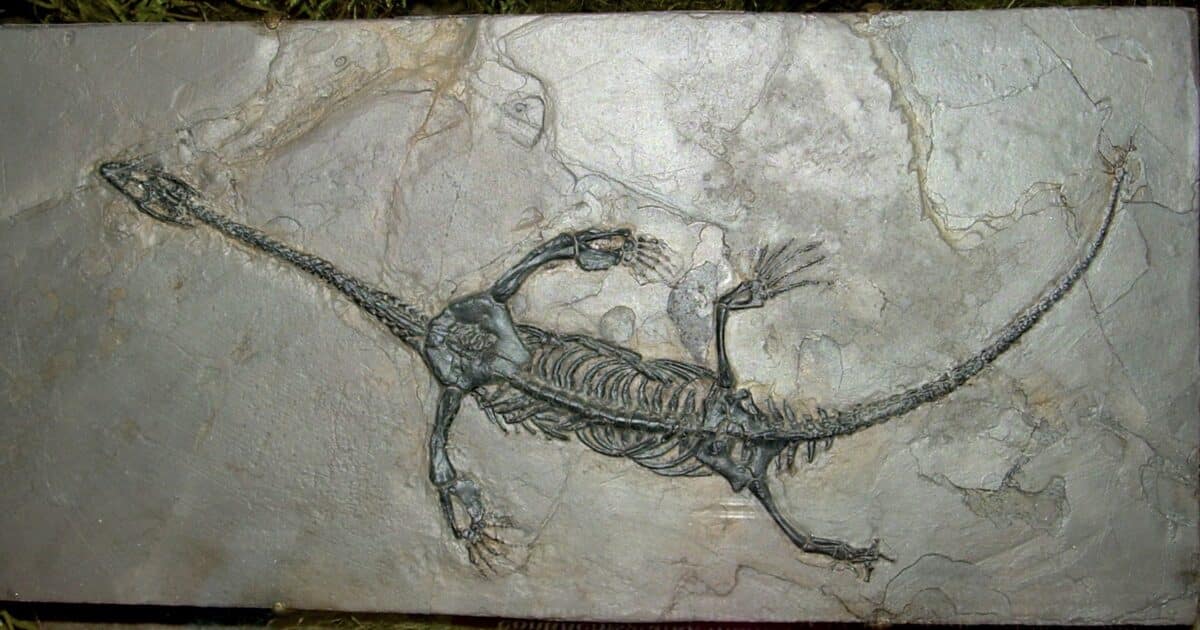
Keichousaurus_hui_fossil Type post Author Günter Bechly Date October 13, 2023 CategoriesIntelligent DesignPaleontology Tagged , Darwinian mechanisms, fish, flippers, fossil record, giraffes, humans, ichthyosaurs, intelligent design, lizards, macromutations, mammals, marine reptiles, Mesozoic, mutations, neck, paleontology, population genetics, sloths, stem group, vertebrae, vertebrates Fossil Friday: Rapid Elongation of Plesiosaur Necks Points to Intelligent Design Günter Bechly October 13, 2023 Intelligent Design, Paleontology 7 The breaking of the conserved number of cervical vertebrae is hard to reconcile with an unguided evolutionary mechanism. Read More ›
Charles Darwin Type post Author Neil Thomas Date November 10, 2021 CategoriesChemistryEvolutionEvolutionary PsychologyPaleontology Tagged , Charles Darwin, evolution, How I Came to Take Leave of Darwin (series), Louis Pasteur, macromutations, Mars, micromutations, Niles Eldredge, Paul Davies, sociobiology, Stanley Miller, Stephen Jay Gould, Viking mission, William Harvey Fables of Evolutionary Psychology (aka Sociobiology) Neil Thomas November 10, 2021 Chemistry, Evolution, Evolutionary Psychology, Paleontology 7 Evolutionary psychologists are prone to make up just-so stories which are then passed off as being entirely veridical. Read More ›
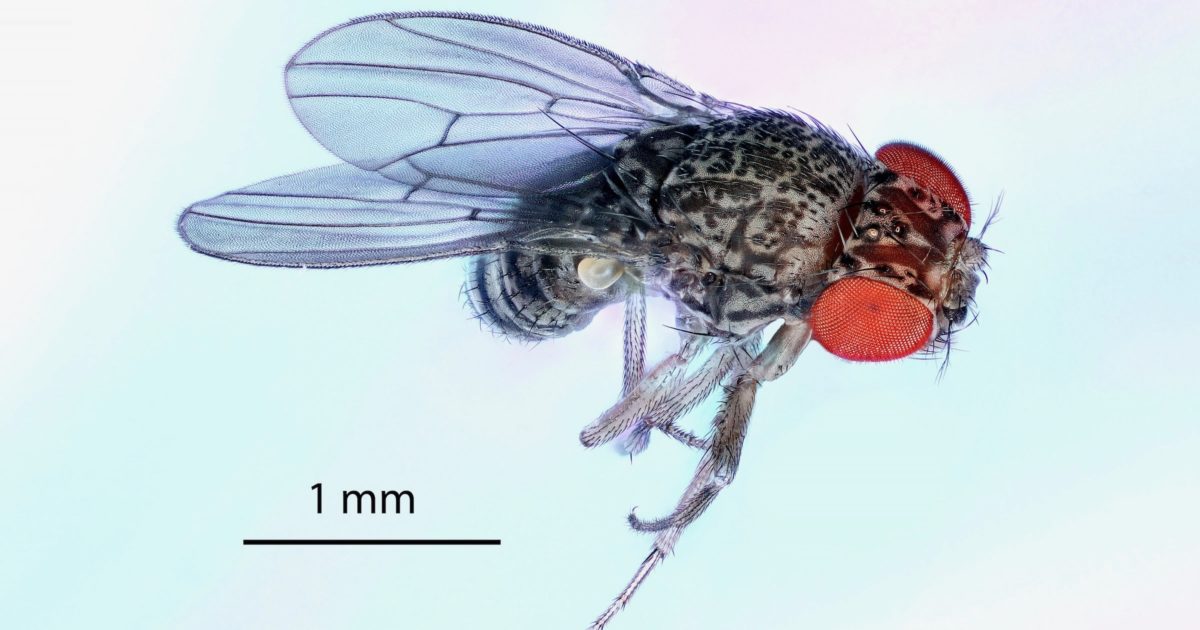
fruit fly Type post Author Brian Miller Date October 4, 2021 CategoriesBiologyEngineeringEvolutionIntelligent Design Tagged , body size, CELS 2021, Conference on Engineering in Living Systems, Drosophila, eggs, embryo, fruit flies, intelligent design, macromutations, metabolism, natural genetic engineering, phenotype, phenotypic plasticity, transposable elements Studies on Insect Wings Validate Engineering Models for Adaptation Brian Miller October 4, 2021 Biology, Engineering, Evolution, Intelligent Design 7 The “long-winged” phenotype is generated if the environmental conditions deteriorate due to reduced food supply or overpopulation. Read More ›
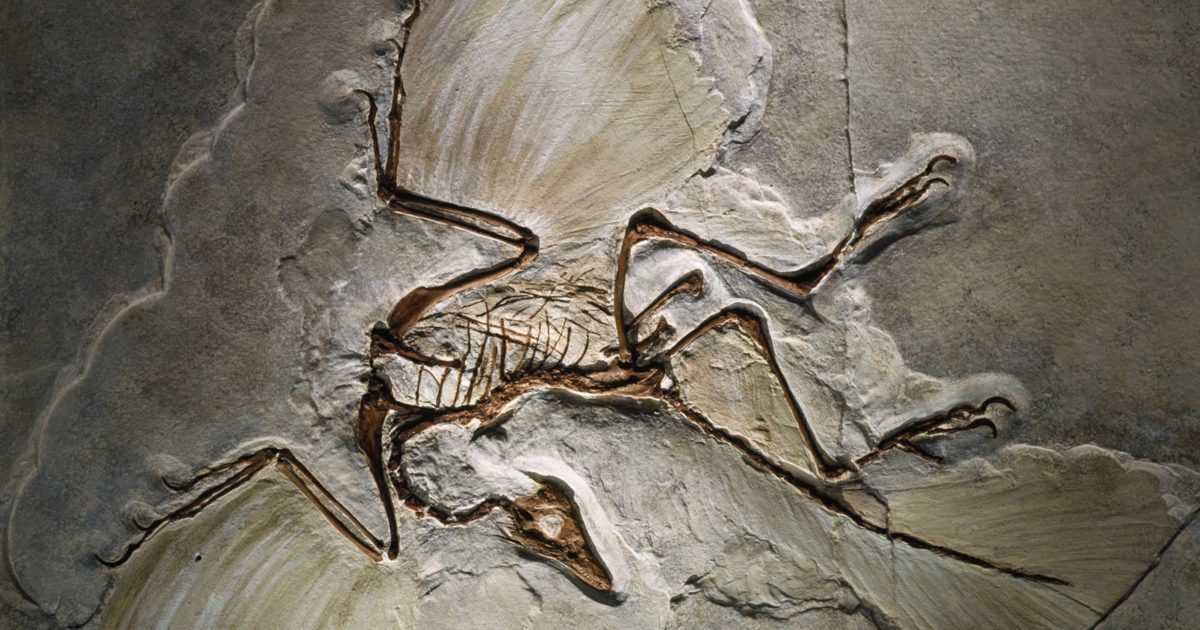
Archaeopteryx Type post Author Wolf-Ekkehard Lönnig Date April 14, 2021 CategoriesEvolutionGenetics Tagged , Alan Feduccia, Archaeopteryx, birds, cladistics, Darwinian theory, dinosaurs, Dollo’s Law, Eocene, Ernst Mayr, evolutionary theory, genetic code, gradualism, Irreducible Complexity, M.-P. Schützenberger, macromutations, mutations, nucleotides, paleontology, phenotype, saltations, Science (journal), wings Ten Reasons Why Birds Are Not Living Dinosaurs Wolf-Ekkehard Lönnig April 14, 2021 Evolution, Genetics 5 Natural selection can explain “the survival of the fittest but not the arrival of the fittest.” Read More ›