Namacalathus and Cloudina Type post Author Günter Bechly Date December 2, 2022 CategoriesEvolutionIntelligent DesignPaleontology Tagged , bilaterians, Burgess Shale, Cambrian Explosion, Cloudina, Dave Farina, Dickinsonia, Ediacaran, embryos, fossils, Kimberella, Mongolia, Namacalathus, Professor Dave, Richard Dawkins, Stephen Meyer, Trilobozoa Let’s Help “Professor Dave” Understand the Precambrian Günter Bechly December 2, 2022 Evolution, Intelligent Design, Paleontology 12 We have much to teach the non-professor, and I trust that he is grateful for the education being rendered to him here. Read More ›
Tribrachidium Type post Author Günter Bechly Date March 28, 2021 CategoriesAnatomyBiologyEcologyEvolution Tagged , body plans, computer model, Ediacaran organisms, fossil record, Mark McMenamin, Nama Group, Precambrian House of Cards Series, South Africa, Tribrachidium, Trilobozoa Unknown Biology of Trilobozoa Günter Bechly March 28, 2021 Anatomy, Biology, Ecology, Evolution 3 Not much is known about the anatomy, biology, and ecology of the enigmatic trilobozoans. Read More ›
Tribrachidium Type post Author Günter Bechly Date March 26, 2021 CategoriesEvolution Tagged , cnidarian, echinoderms, Ediacaran Period, fungus, jellyfish, marine invertebrates, Mark McMenamin, Metazoa, Mikhail Fedonkin, Precambrian House of Cards Series, sponges, Tribrachidium, Trilobozoa, Vendobionta Uncertain Affinities of Trilobozoa Günter Bechly March 26, 2021 Evolution 3 That the same fossils can be attributed to at least six different phyla of marine invertebrates as well as terrestrial fungi really should give reason to pause. Read More ›
Ventogyrus Type post Author Günter Bechly Date March 25, 2021 CategoriesEvolution Tagged , Australia, cnidarians, Ediacaran organisms, Ediacaran Period, Mark McMenamin, morphology, Precambrian House of Cards Series, publish or perish, South Australia, spicules, symmetry, Trilobozoa Examining Potential Other Trilobozoans Günter Bechly March 25, 2021 Evolution 4 Last but not least, there is this gem: In 1986 strange mushroom-shaped deep-sea animals were collected offshore South Australia. Read More ›
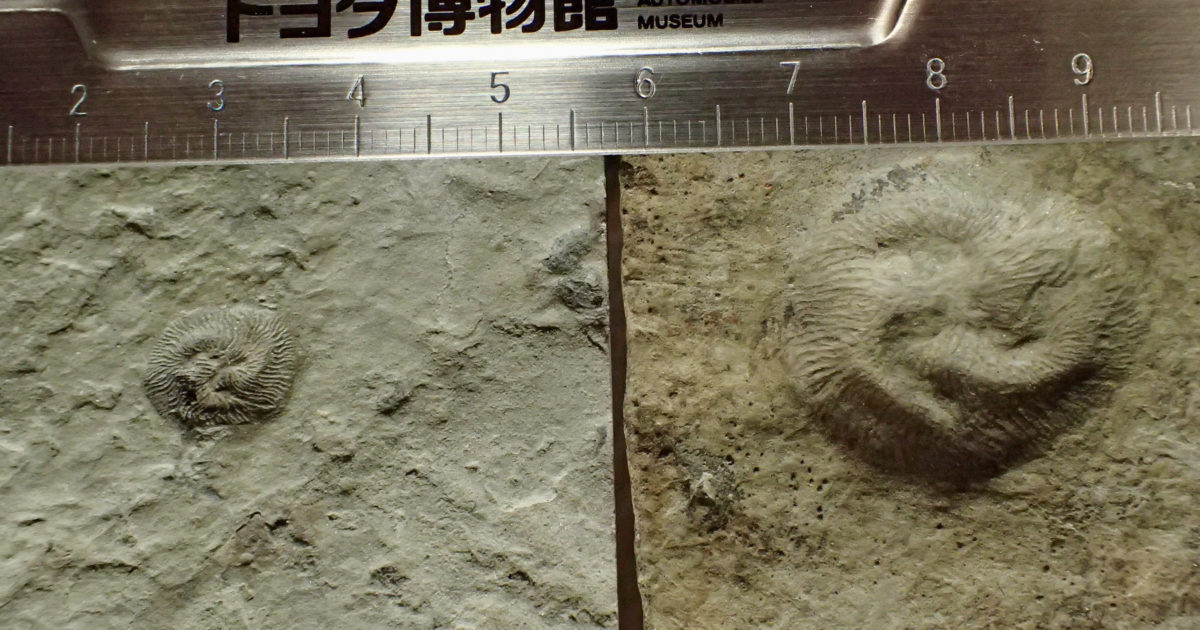
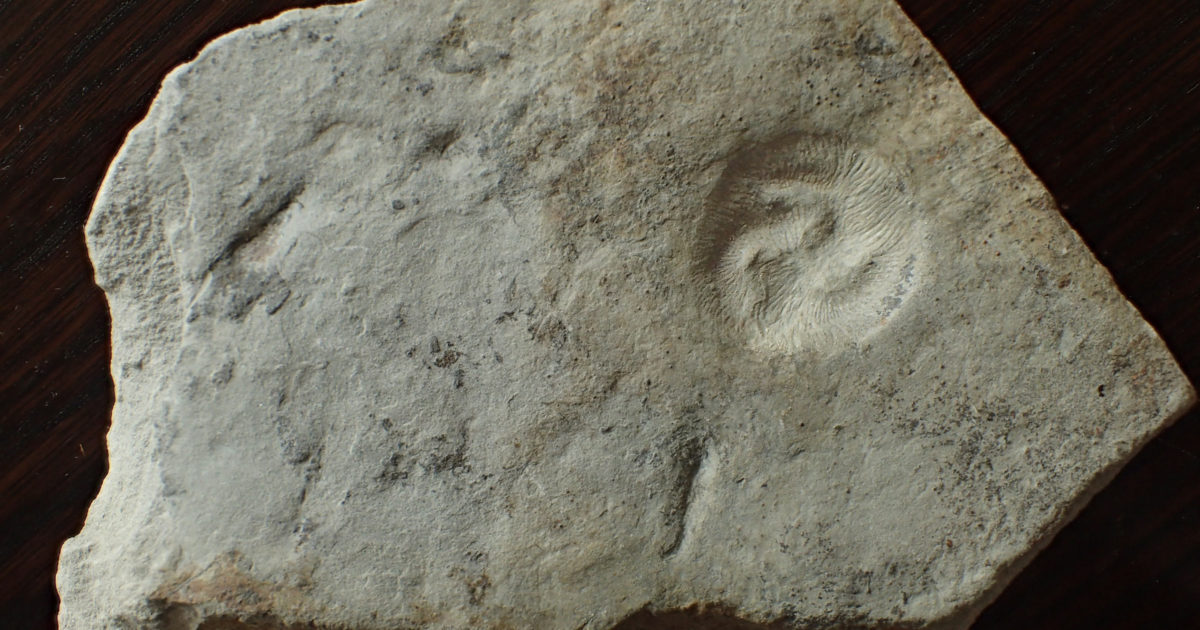
Tribrachidium Type post Author Günter Bechly Date March 24, 2021 CategoriesEvolution Tagged , animals, Cambrian Period, cladistics, Darwinian evolution, Ediacaran biota, fossil record, phylogenetic systematics, Precambrian House of Cards Series, sea floor, Tribrachidium, Trilobozoa The Enigmatic Tribrachidium and Trilobozoa Günter Bechly March 24, 2021 Evolution 3 Trilobozoans are unique to the Ediacaran biota; they appeared suddenly 560 million-years-ago in the fossil record without any precursors. Read More ›
A_Guantanamo_sponge_-a Type post Author Günter Bechly Date May 12, 2020 CategoriesEvolution Tagged , animals, body plans, Cambrian Explosion, Carl Zimmer, China, Darwin's Doubt, Darwinian evolution, Darwinian theory, Donald Prothero, Ediacaran biota, embryos, fossil record, Jerry Coyne, Metazoa, metazoans, microfossils, Namibia, New York Times, Nick Matzke, Norway, paleontology, precambrian fossils, protists, Russia, snowball Earth, South Australia, spicules, sponges, Stephen Meyer, Trilobozoa, White Sea, Wikipedia The Myth of Precambrian Sponges Günter Bechly May 12, 2020 Evolution 54 Evolutionists would expect to find sponges as the earliest animals in the fossil record. Read More ›