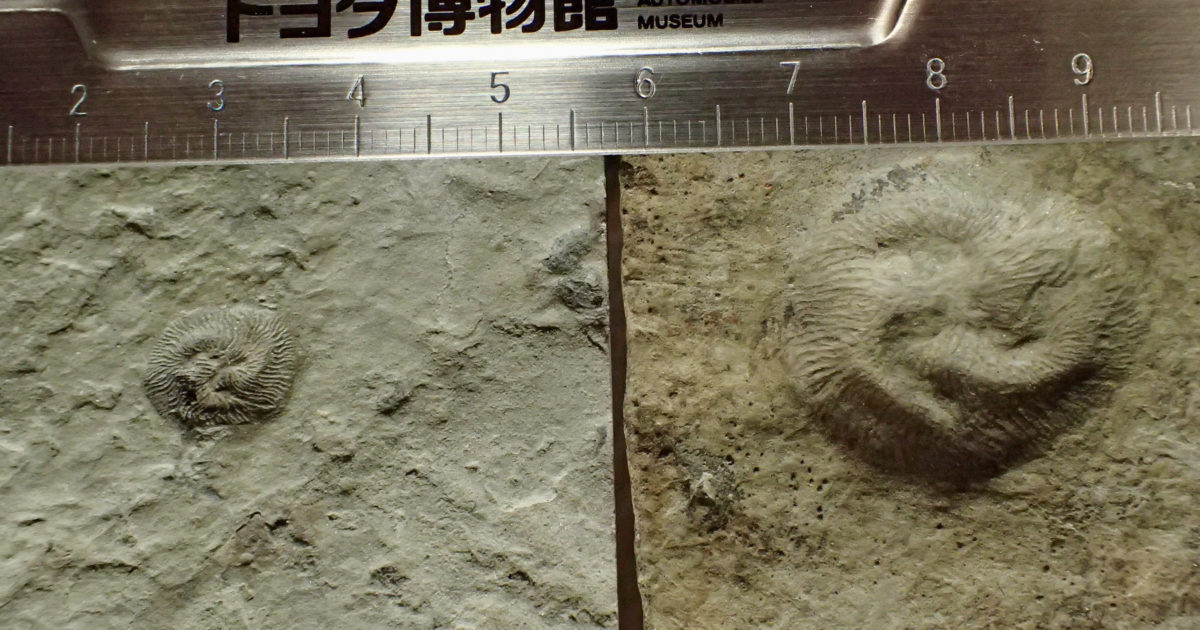
Tribrachidium Type post Author Günter Bechly Date March 26, 2021 CategoriesEvolution Tagged , cnidarian, echinoderms, Ediacaran Period, fungus, jellyfish, marine invertebrates, Mark McMenamin, Metazoa, Mikhail Fedonkin, Precambrian House of Cards Series, sponges, Tribrachidium, Trilobozoa, Vendobionta Uncertain Affinities of Trilobozoa Günter Bechly March 26, 2021 Evolution 3 That the same fossils can be attributed to at least six different phyla of marine invertebrates as well as terrestrial fungi really should give reason to pause. Read More ›
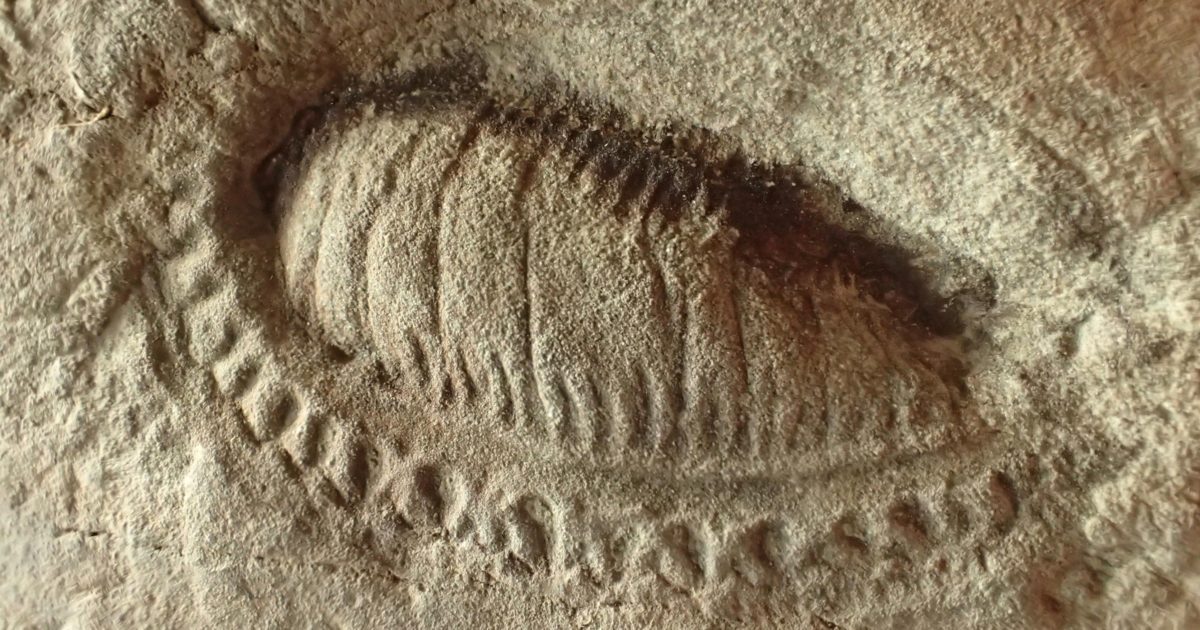
Kimberella quadrata Type post Author Günter Bechly Date September 17, 2020 CategoriesEvolution Tagged , Cambrian Explosion, Cambrian News, cows, Dickinsonia, Germany, Kimberella, Kimberella series, microbial mats, Middle Triassic, Mikhail Fedonkin, mollusks, protozoans, scratch marks, trace fossils, Wiwaxia Kimberella — The Oldest Radula (Not) Günter Bechly September 17, 2020 Evolution 4 There is a strange fact that shows that any interpretation of these trace fossils has to be taken with a grain of salt. Read More ›
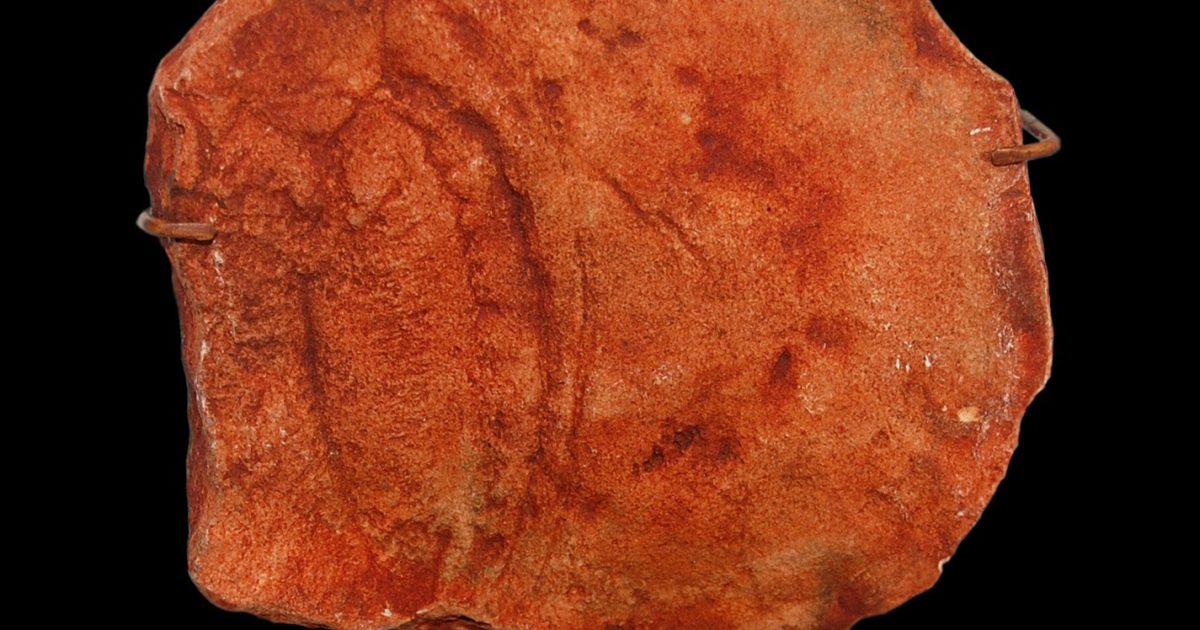
Ventral death-mask of Kimberella quadrata Type post Author Günter Bechly Date September 15, 2020 CategoriesEvolution Tagged , Ediacaran fossils, Ediacaran organisms, feeding apparatus, fossils, grazing, Kimberella, Kimberella series, Kimberichnus, microbial mats, Mikhail Fedonkin, morphology, proboscis, scratch marks, trace fossils, White Sea Kimberella — Traces and a Trace-maker Günter Bechly September 15, 2020 Evolution 8 The body fossils are generally positioned at the focal points of the fan-shaped scratch marks. Read More ›
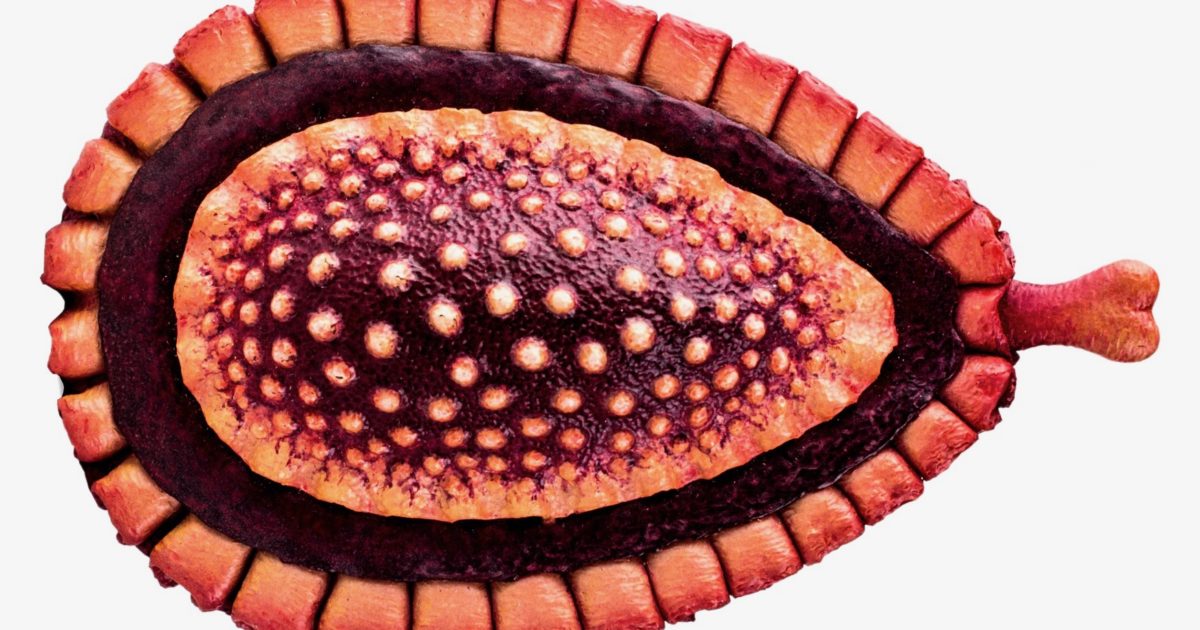
Kimberella Type post Author Günter Bechly Date September 12, 2020 CategoriesEvolution Tagged , burial, Cambrian News, digestive system, Ediacaran organisms, evolution, feeding apparatus, fossils, Kimberella, Kimberella series, mantle, Mikhail Fedonkin, mollusks, muscles, Ordovician Period, Parvancorina, proboscis, shells, teeth Reconstructing Kimberella — The Disputed Anatomy in Detail Günter Bechly September 12, 2020 Evolution 18 Fossils often leave much room for very different interpretations of relatively poor evidence. Read More ›