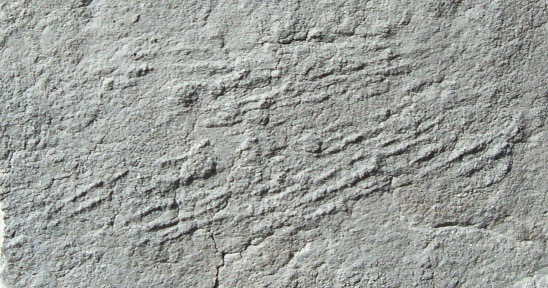
Kimberella Type post Author Günter Bechly Date September 16, 2020 CategoriesEvolution Tagged , Australia, Cambrian Explosion, Cambrian News, Ediacaran biota, Ediacaran organisms, feeding traces, fossils, Kimberella, Kimberella series, Kimberichnus, motility, mucus, scratch marks, sediments, White Sea Kimberella — Locomotory Tracks Günter Bechly September 16, 2020 Evolution 3 But what about tracks of the moving animal? There are indeed some fossils from the White Sea. Read More ›
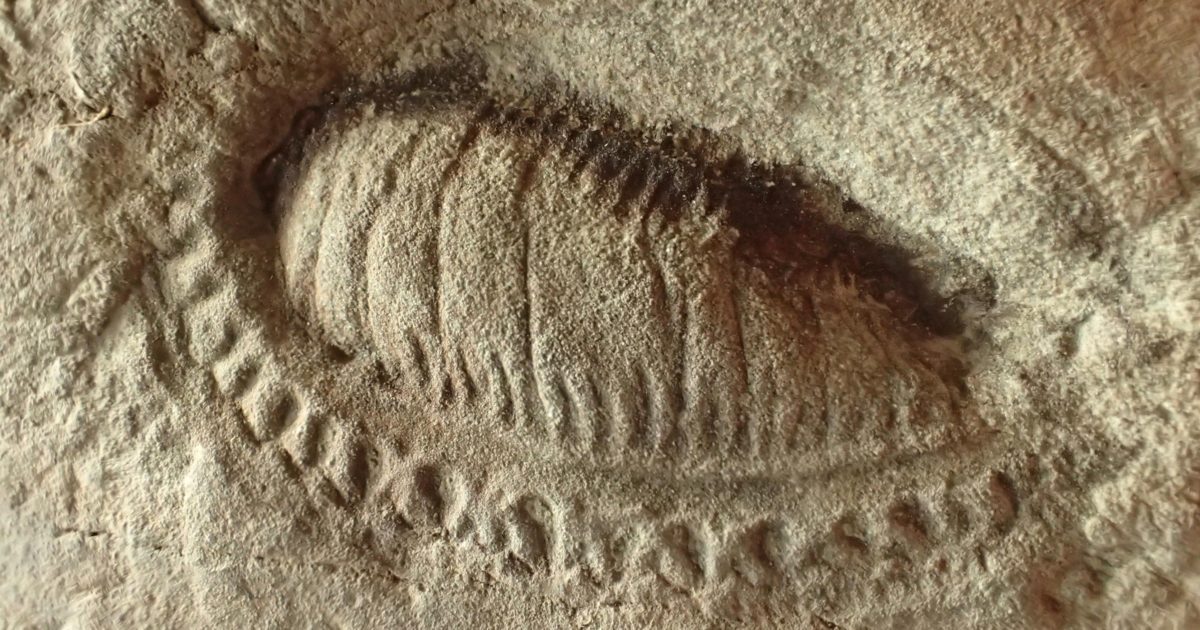
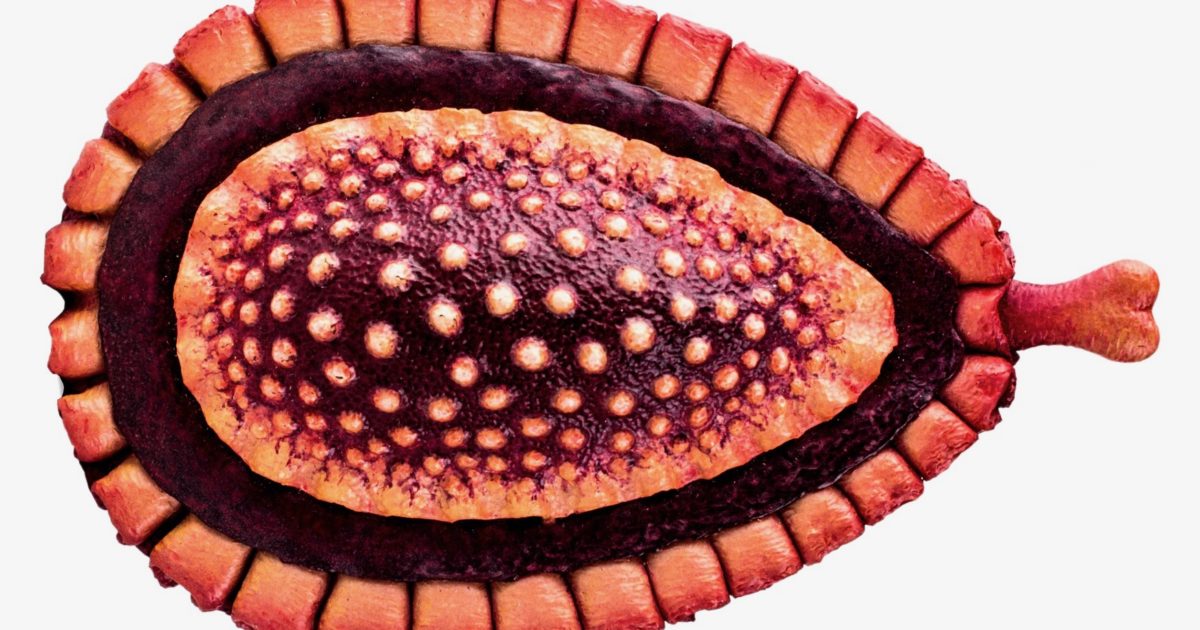
Ventral death-mask of Kimberella quadrata Type post Author Günter Bechly Date September 15, 2020 CategoriesEvolution Tagged , Ediacaran fossils, Ediacaran organisms, feeding apparatus, fossils, grazing, Kimberella, Kimberella series, Kimberichnus, microbial mats, Mikhail Fedonkin, morphology, proboscis, scratch marks, trace fossils, White Sea Kimberella — Traces and a Trace-maker Günter Bechly September 15, 2020 Evolution 8 The body fossils are generally positioned at the focal points of the fan-shaped scratch marks. Read More ›
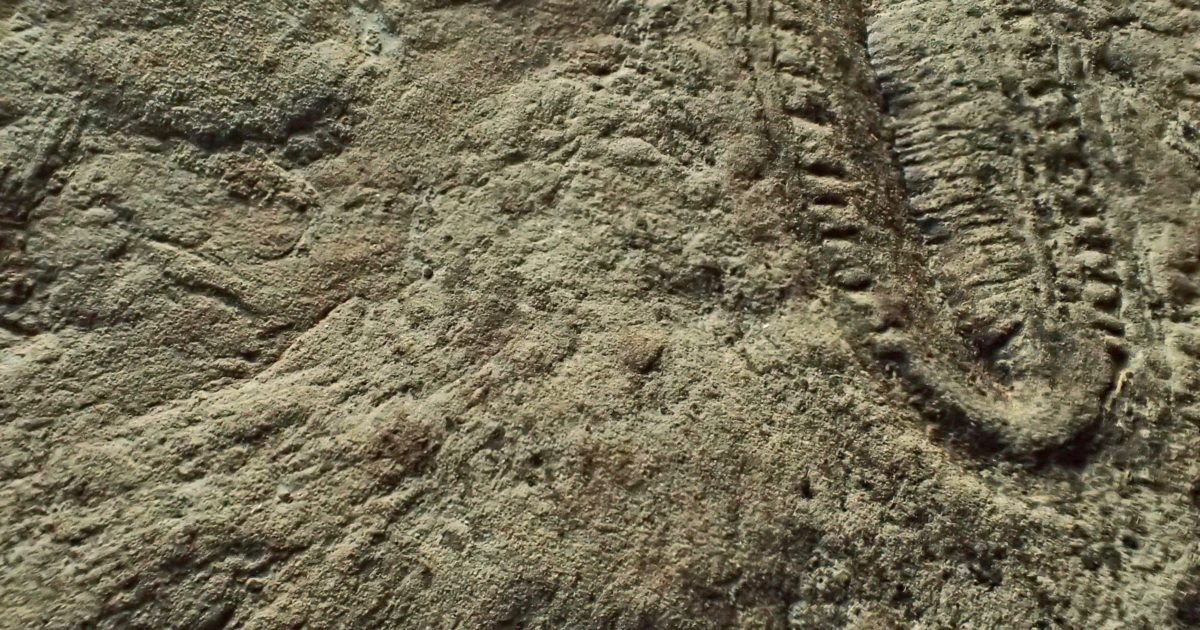
Kimberella quadrata with associated scratch marks Type post Author Günter Bechly Date September 14, 2020 CategoriesEvolution Tagged , Cambrian Explosion, Cambrian News, Ediacaran biota, Ediacaran organisms, feeding apparatus, grazing, Kimberella, Kimberella series, Kimberichnus, locomotion, microbial mats, Russia, South Australia, teeth, trace fossils, White Sea Kimberella — Controversial Scratch Marks Günter Bechly September 14, 2020 Evolution 5 A former teacher of mine was the late Adolf Seilacher, who was a leading authority on trace fossils and who for obvious reasons preferred to be called "Dolf." Read More ›
Kimberella Type post Author Günter Bechly Date September 11, 2020 CategoriesEvolution Tagged , comb jelly, Ediacaran biota, fossils, jellyfish, Kimberella, Kimberella series, limpets, mantle, pharynx, proboscis, teeth, White Sea Kimberella — Four Phases of Interpretation Günter Bechly September 11, 2020 Evolution 6 In the quite checkered history of the detailed reconstruction of Kimberella, we can distinguish four distinct successive phases. Read More ›
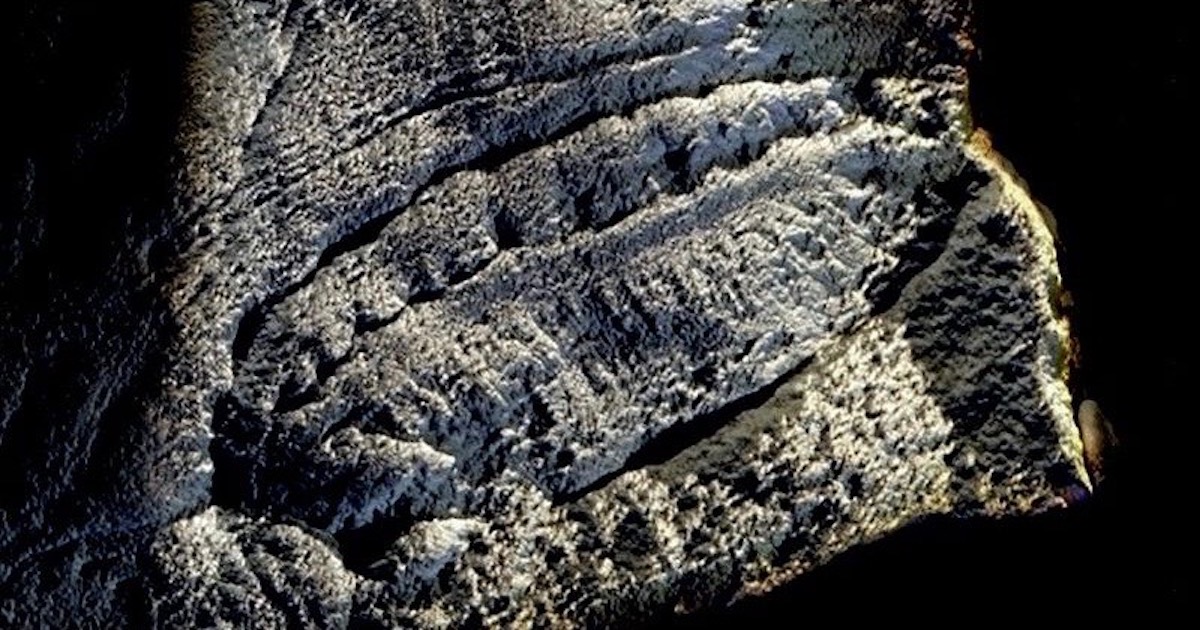
Kimberella quadrata Type post Author Günter Bechly Date September 4, 2020 CategoriesEvolution Tagged , Cambrian Explosion, Cambrian News, Dickinsonia, Ediacaran biota, Ediacaran Period, holotype, jellyfish, Kimberella, Kimberella series, Mark McMenamin, mollusks, Precambrian strata, Tribrachidium, White Sea Kimberella — A Checkered History Günter Bechly September 4, 2020 Evolution 7 John Kimber collected the first fossils of this organism and died tragically at age 38 during an expedition in South Australia in 1964. Read More ›
A_Guantanamo_sponge_-a Type post Author Günter Bechly Date May 12, 2020 CategoriesEvolution Tagged , animals, body plans, Cambrian Explosion, Carl Zimmer, China, Darwin's Doubt, Darwinian evolution, Darwinian theory, Donald Prothero, Ediacaran biota, embryos, fossil record, Jerry Coyne, Metazoa, metazoans, microfossils, Namibia, New York Times, Nick Matzke, Norway, paleontology, precambrian fossils, protists, Russia, snowball Earth, South Australia, spicules, sponges, Stephen Meyer, Trilobozoa, White Sea, Wikipedia The Myth of Precambrian Sponges Günter Bechly May 12, 2020 Evolution 54 Evolutionists would expect to find sponges as the earliest animals in the fossil record. Read More ›