Loddigesia mirabilis Type post Author Wolf-Ekkehard Lönnig Date March 18, 2024 CategoriesEvolutionIntelligent Design Tagged , artistry, contingency, death, Ernst Mayr, evolution, females, genetic drift, happenstance, hummingbirds, intelligent design, males, Michael Behe, Modern Synthesis, mutations, natural selection, Neo-Darwinism, pain, peacock, phenotype, Richard Dawkins, sexual dimorphism, Stephen Meyer, waste Ingenious Artistry in the Origin of Hummingbirds Wolf-Ekkehard Lönnig March 18, 2024 Evolution, Intelligent Design 6 In contrast with neo-Darwinism, I conclude that an absolutely ingenious artist was at work here, transcending all human abilities, ideas, and powers. Read More ›
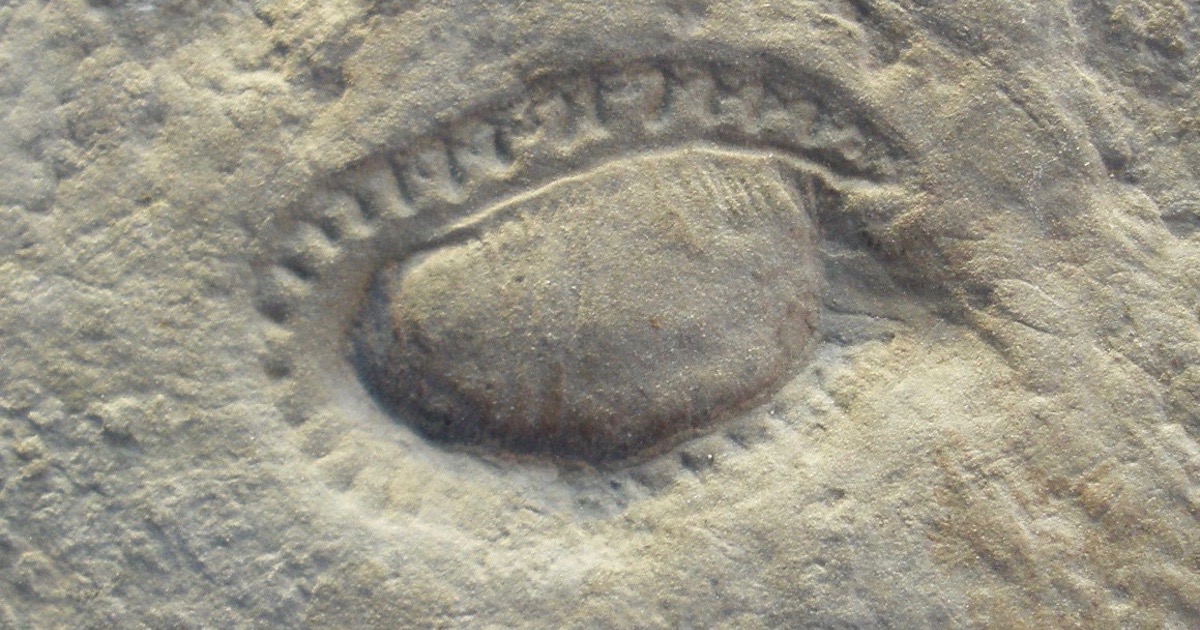
Kimberella quadrata Type post Author Günter Bechly Date September 10, 2020 CategoriesEvolution Tagged , bilaterian animals, body size, Cambrian Explosion, Cambrian News, Ediacaran organisms, fossil record, interpretation, Kimberella, Kimberella series, Metamorphosis, microbial mats, motility, Precambrian, sexual dimorphism, tissues, trace fossils Kimberella — Interpreting the Fossils Günter Bechly September 10, 2020 Evolution 2 One of the few features that are uncontroversial is the body size: The fossils measure usually 1-5 cm in length. Read More ›
girl riding a horse Type post Author Ann Gauger Date June 6, 2018 CategoriesArtsIntelligent DesignMathematics Tagged , __cedited, beauty, Cicero, David Hume, evolution, horse, Johann Sebastian Bach, music, natural selection, neuroscience, New York Times, Paul Davies, Pleistocene, sea urchins, sexual dimorphism, symmetry Beauty Leads Us Home Ann Gauger June 6, 2018 Arts, Intelligent Design, Mathematics 11 Why is the world a beautiful place and why does it touch me? Read More ›
phrenology-ii-stockpack-adobe-stock-135377455-stockpack-adobestock Type post Author Michael Egnor Date December 10, 2015 CategoriesEthicsNeuroscience & MindReproductive Science Tagged , __nedited, cerebral cortex, fMRI, gender, junk science, moral agency, phrenology, public policy, Research, scientific racism, sexual dimorphism, transgenderism At the Intersection of Phrenology and Public Policy Michael Egnor December 10, 2015 Ethics, Neuroscience & Mind, Reproductive Science 6 A recent PNAS study is the latest iteration of dial-a-science: just call and order science to fit your favored narrative. Read More ›