Science and Culture Today Discovering Design in Nature
Topic

pain

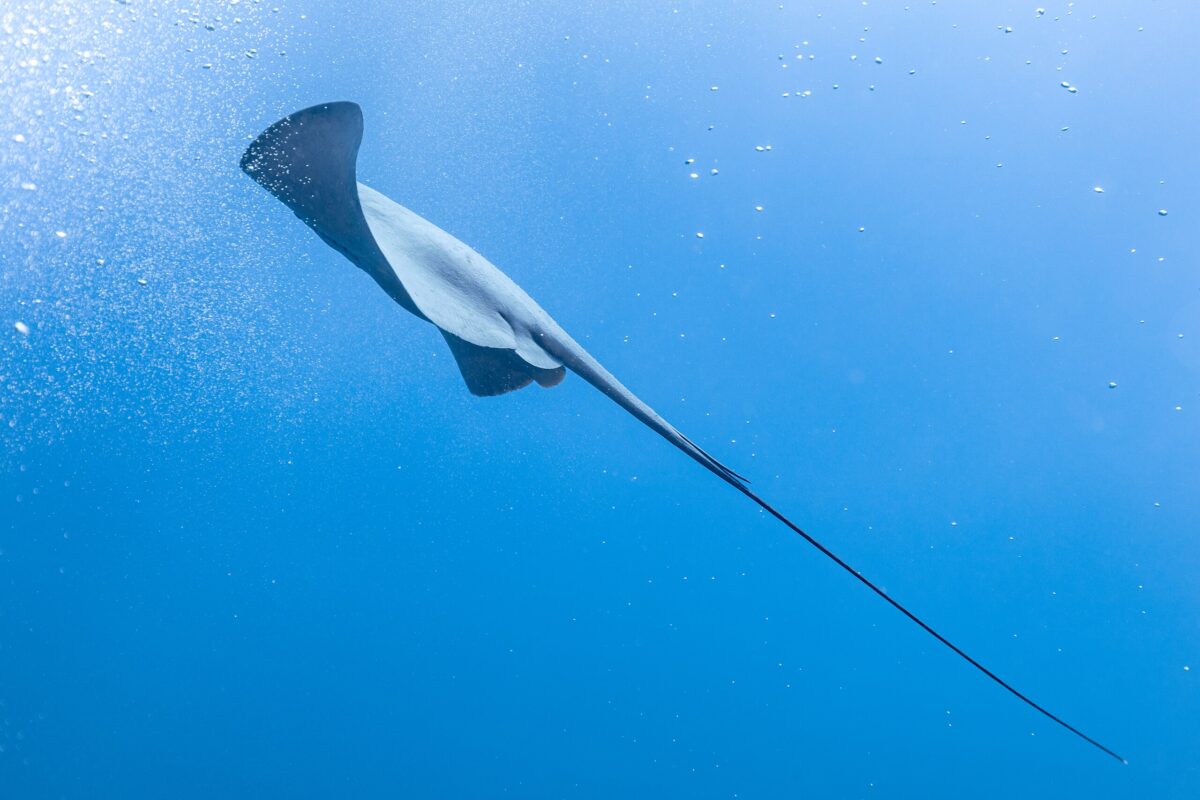
RayapelgicaPteroplatytrygonviolaceaCabodePalosE
Photo: Stingray, a cartilaginous fish, by Diego Delso, CC BY-SA 4.0 <https://creativecommons.org/licenses/by-sa/4.0>, via Wikimedia Commons.

On Fish Intelligence, We’re Misled by Darwinian Assumptions

The world of life is full of intelligence. Its intensity varies not with distance from the supposedly accidental human but with the life form’s need for it.  Read More ›
Valley_View_Yosemite_August_2013_002
Photo: Yosemite Valley, by King of Hearts, CC BY-SA 3.0 <https://creativecommons.org/licenses/by-sa/3.0>, via Wikimedia Commons.

Why John Muir Chose Nature Over Machines

The famous naturalist put human inventions aside to reap the benefits of nature.  Read More ›
door
Photo credit: Benjamin Williams via Unsplash.

Did Evolution Give Us Free Will? (Continued)

The door is open to other causes — even those that neuroscientist Kevin Mitchell himself would prefer to keep out. Read More ›
lobster
Photo credit: David Clode via Unsplash.

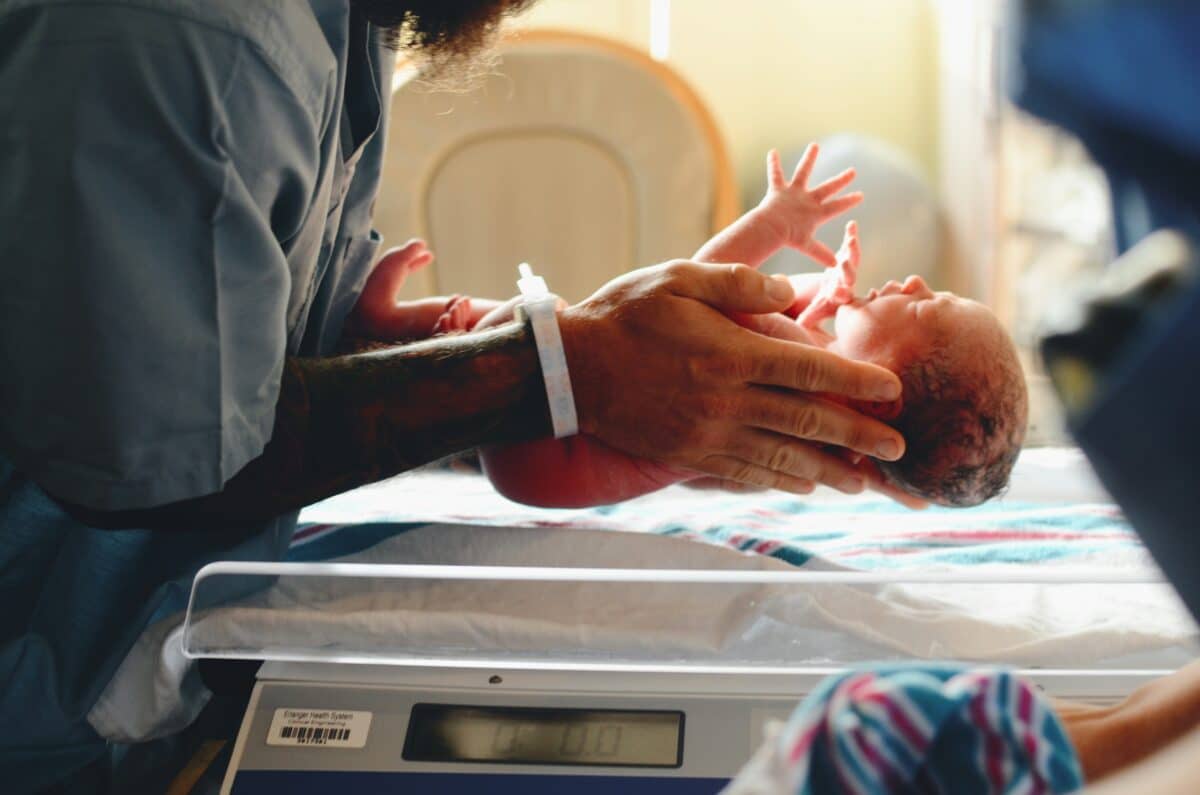
What Do Animals Feel? And What About Babies?
With human babies, those who propose laws against cruelty suddenly enter a Cold Zone, at least compared to their feelings for crustaceans. Read More ›
Chk-UCH1-GFAP-20X-1
Photo credit: GerryShaw, CC BY-SA 4.0 <https://creativecommons.org/licenses/by-sa/4.0>, via Wikimedia Commons.

What Does Your Brain Do? And What Can It Not Do?

A surprising result of pioneering neurosurgery was the discovery that some mental processes could be stimulated in the brain but others could not be. Read More ›
Planned-Parenthood
Photo credit: Fibonacci Blue, CC BY 2.0 <https://creativecommons.org/licenses/by/2.0>, via Wikimedia Commons.

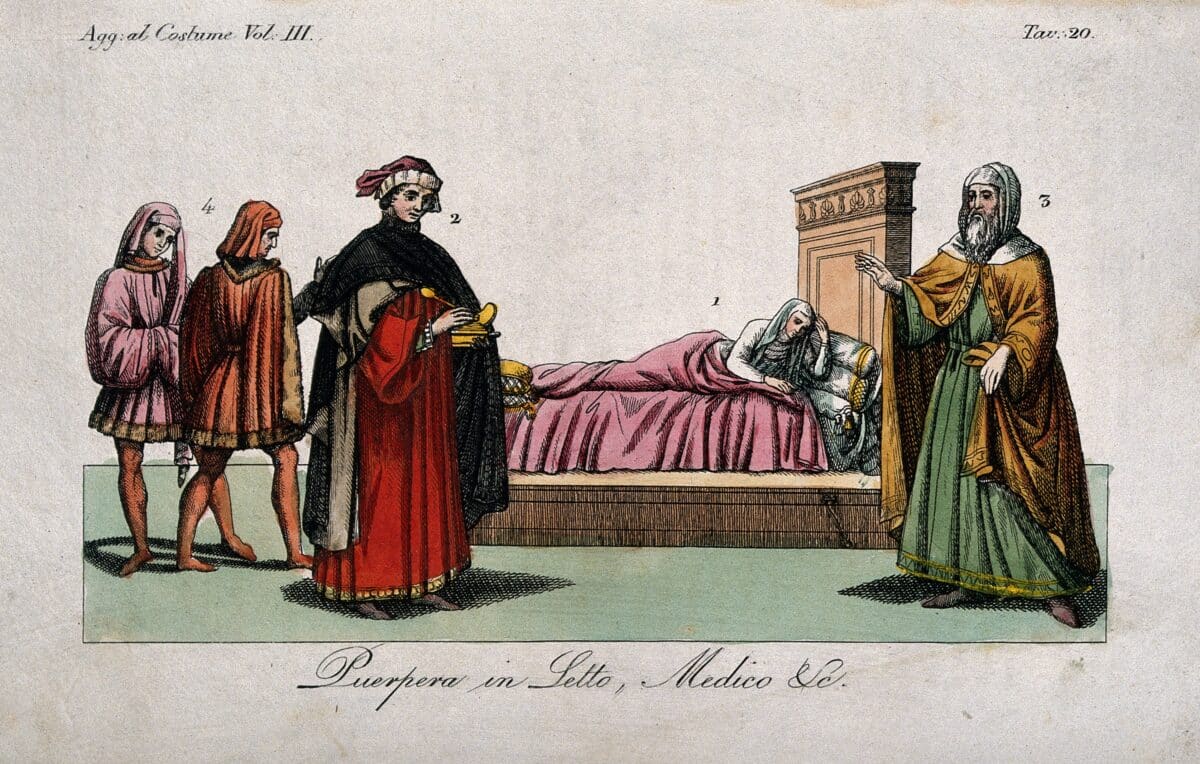
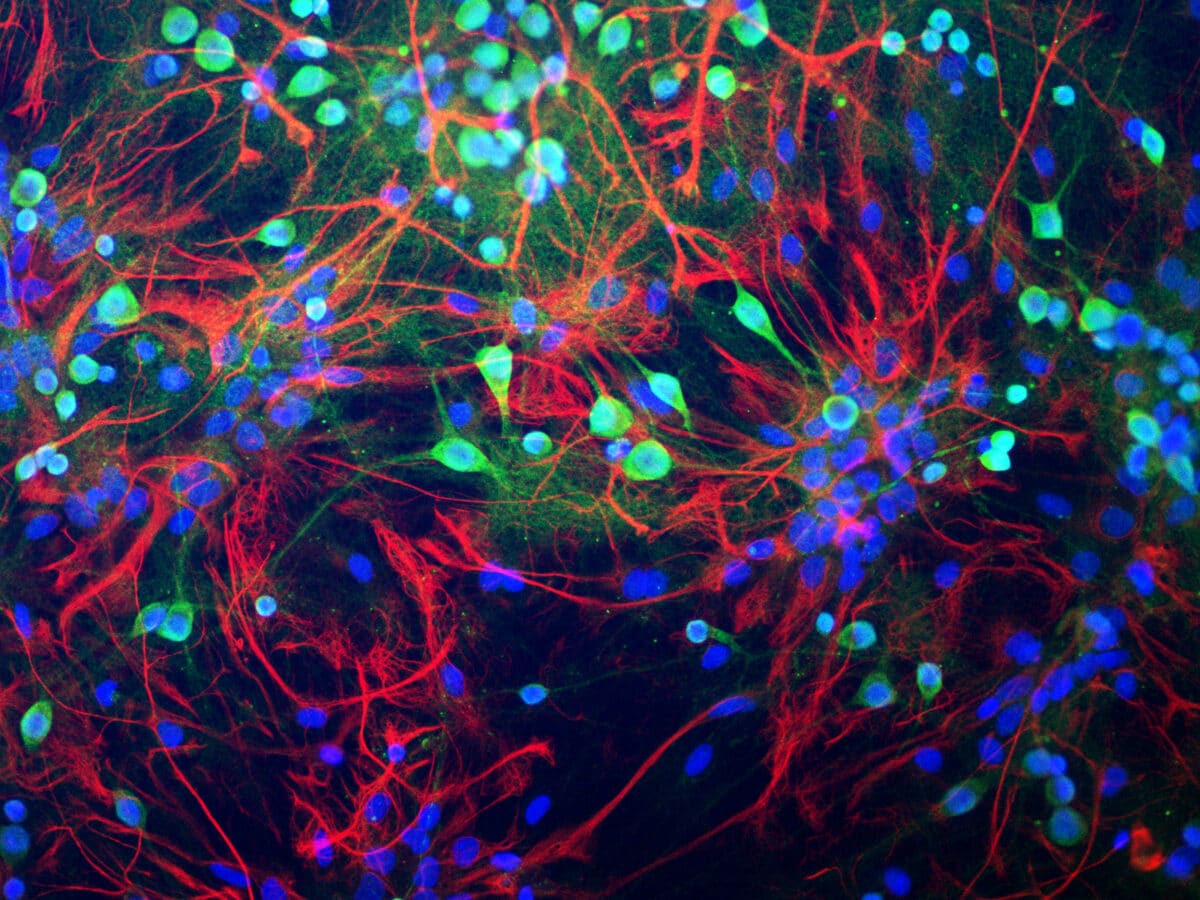
At What Point In Its Development Can a Human Being Feel Pain?
Logic isn’t a sufficient answer to the question I raised, however. For a scientific answer, we need evidence. Read More ›
newborn
Photo credit: Christian Bowen, via Unsplash.

Why Should a Baby Live?

My title is adapted from a 2012 article by two philosophers, Alberto Giubilini and Francesca Minerva. Read More ›
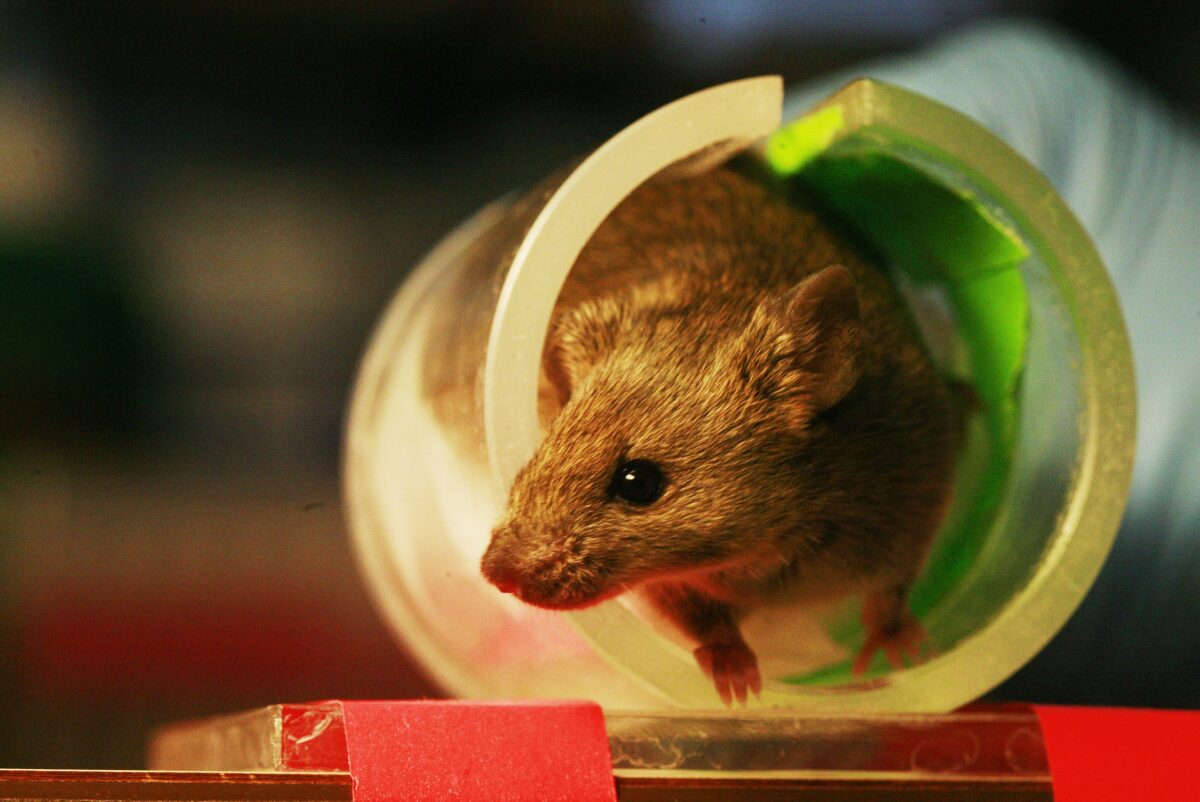
2560px-Lab_mouse_mg_3294
Photo credit: Rama, CC BY-SA 2.0 FR <https://creativecommons.org/licenses/by-sa/2.0/fr/deed.en>, via Wikimedia Commons.

Research with Mice May Explain How the Placebo Effect Works

The mice had to be placed in a painful situation in order to trigger a placebo effect. With humans, it is often just a matter of communicating orally. Read More ›
pipistrelle
Photo credit: Dave, via Flickr (cropped).

Being a Bat: Some Scientists Push Animal Consciousness

A group of scientists and philosophers have published a declaration that there is evidence that a wide range of animals exhibit signs of consciousness. Read More ›
panda
Photo credit: Benjamín Núñez González, CC BY-SA 4.0 <https://creativecommons.org/licenses/by-sa/4.0>, via Wikimedia Commons.

Does a Suboptimal Panda’s Thumb Fit Better with Evolution than with Intelligent Design?

Just how much does evolution expect suboptimal structures? And just how much does intelligent design expect optimal ones? Read More ›

© Discovery Institute