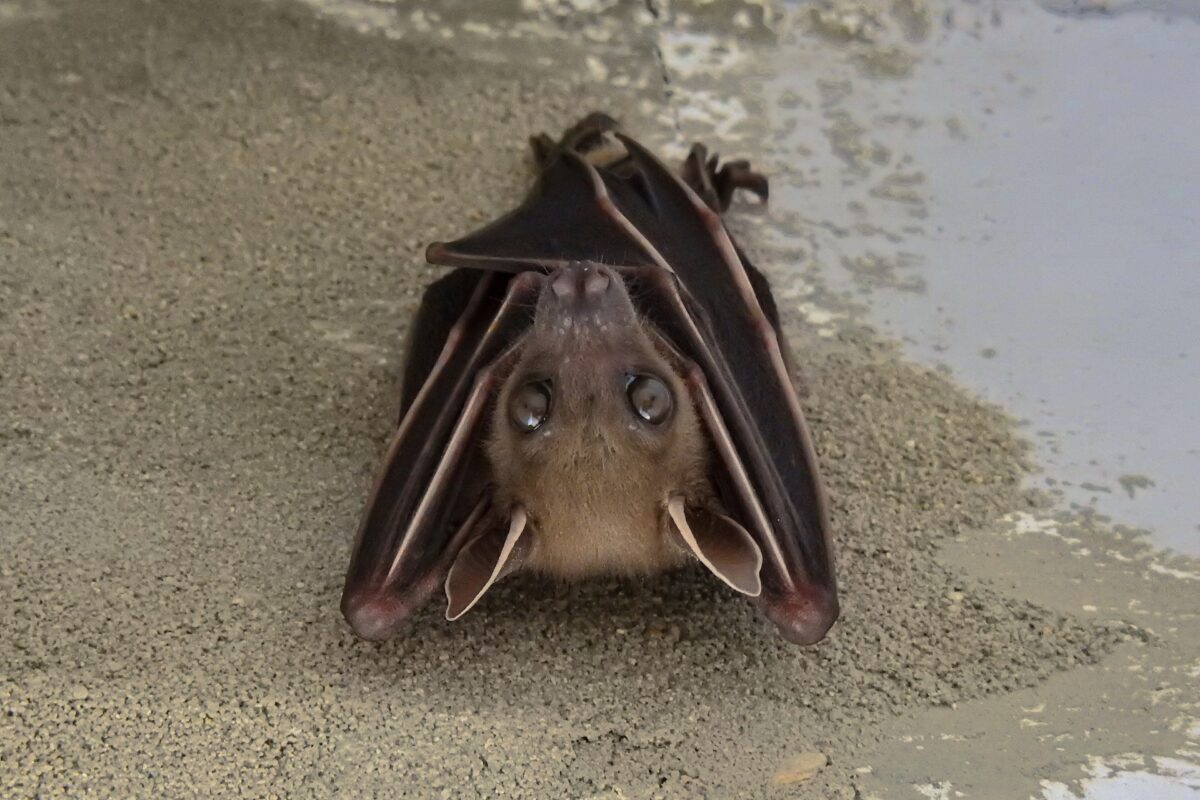
Bat Type post Author Geoffrey Simmons Date January 20, 2026 CategoriesEvolutionIntelligent DesignScientific Reasoning Tagged , bats, birds, birth canal, carbon dioxide, caves, Charles Darwin, DNA, eggs, evolution, fish, flipping, forme frust, genetics, giraffes, hanging, horses, intelligent design, Keep It Simple Sailor, mammals, neo-Darwinists, New York Post, nutrients, organs, oxygen, porcupines, quills, red blood cells, singing, skunks, The God Proofs, waste products, wings, young people Doctor’s Diary: Have We Overlooked Common Sense? Geoffrey Simmons January 20, 2026 Evolution, Intelligent Design, Scientific Reasoning 8 Take bats, for example. Many types eat upside down, yet they flip to eliminate wastes. Read More ›
near-death-experience-2 Type post Date June 26, 2025 CategoriesFaith & ScienceMedicineNeuroscience & Mind Tagged , atheists, birth canal, Carl Sagan, clinical death, Denyse O'Leary, endorphins, Gandalf, hypoxia, jesus, ketamine, Michael Egnor, Mind Matters, near-death experiences, neurosurgery, Pam Reynolds, podcast, Robert J. Marks II, skull, Stony Brook University, The Immortal Mind, The Lord of the Rings, veridical Near-Death Experiences Give Scientific Evidence of the Soul Science & Culture June 26, 2025 Faith & Science, Medicine, Neuroscience & Mind 5 As Dr. Egnor contends, near-death experiences offer modern, experiential evidence that the human mind is not confined to the skull. Read More ›
Planned-Parenthood Type post Author Jonathan Wells Date October 9, 2024 CategoriesBioethicsMedicine Tagged , abortion, Alberto Giubilini, Animal Liberation, babies, birth canal, brain, developmental biology, fetuses, Food and Drug Administration, Indiana, injury, Montana, New York City, newborns, pain, Peter Singer, petri dish, Planned Parenthood, pregnancy, Roman Catholic, Russia, tissue, United States, Washington Post At What Point In Its Development Can a Human Being Feel Pain? Jonathan Wells October 9, 2024 Bioethics, Medicine 13 Logic isn’t a sufficient answer to the question I raised, however. For a scientific answer, we need evidence. Read More ›
Planned Parenthood Type post Author Jonathan Wells Date September 21, 2020 CategoriesMedicineNeuroscience & Mind Tagged , abortion, Alberto Giubilini, Animal Liberation, babies, birth canal, brain, developmental biology, fetuses, Food and Drug Administration, gestation, Indiana, injury, Montana, New York City, newborns, pain, Peter Singer, petri dish, Planned Parenthood, Roman Catholic, Russia, United States, Washington Post At What Point In Its Development Can a Human Being Feel Pain? Jonathan Wells September 21, 2020 Medicine, Neuroscience & Mind 13 Peter Singer has argued that animals, like humans, deserve protection because of their ability to suffer. Read More ›
The_Country_of_the_Blind_by_Claude_Allin_Shepperson_3 Type post Author Geoffrey Simmons Date August 27, 2020 CategoriesAnatomyHuman ExceptionalismHuman Origins and AnthropologyIntelligent Design Tagged , animals, apes, atheism, babies, birth canal, Brazilian Academy of Sciences, childbirth, chromosomes, creativity, DNA, Doctor's Diary (series), earthquake, Ecuador, foresight, H.G. Wells, human evolution, humans, intelligent design, invention, Marcos Eberlin, Minnesota, orphan genes, oxygen, Periodic Table, phenotypes, PZ Myers, Richard Dawkins, Tree of Life Doctor’s Diary: Evolution in the Country of the Blind Geoffrey Simmons August 27, 2020 Anatomy, Human Exceptionalism, Human Origins and Anthropology, Intelligent Design 8 Fans of H. G. Wells are probably familiar with his 1904 short story, “The Country of the Blind.” Read More ›