






































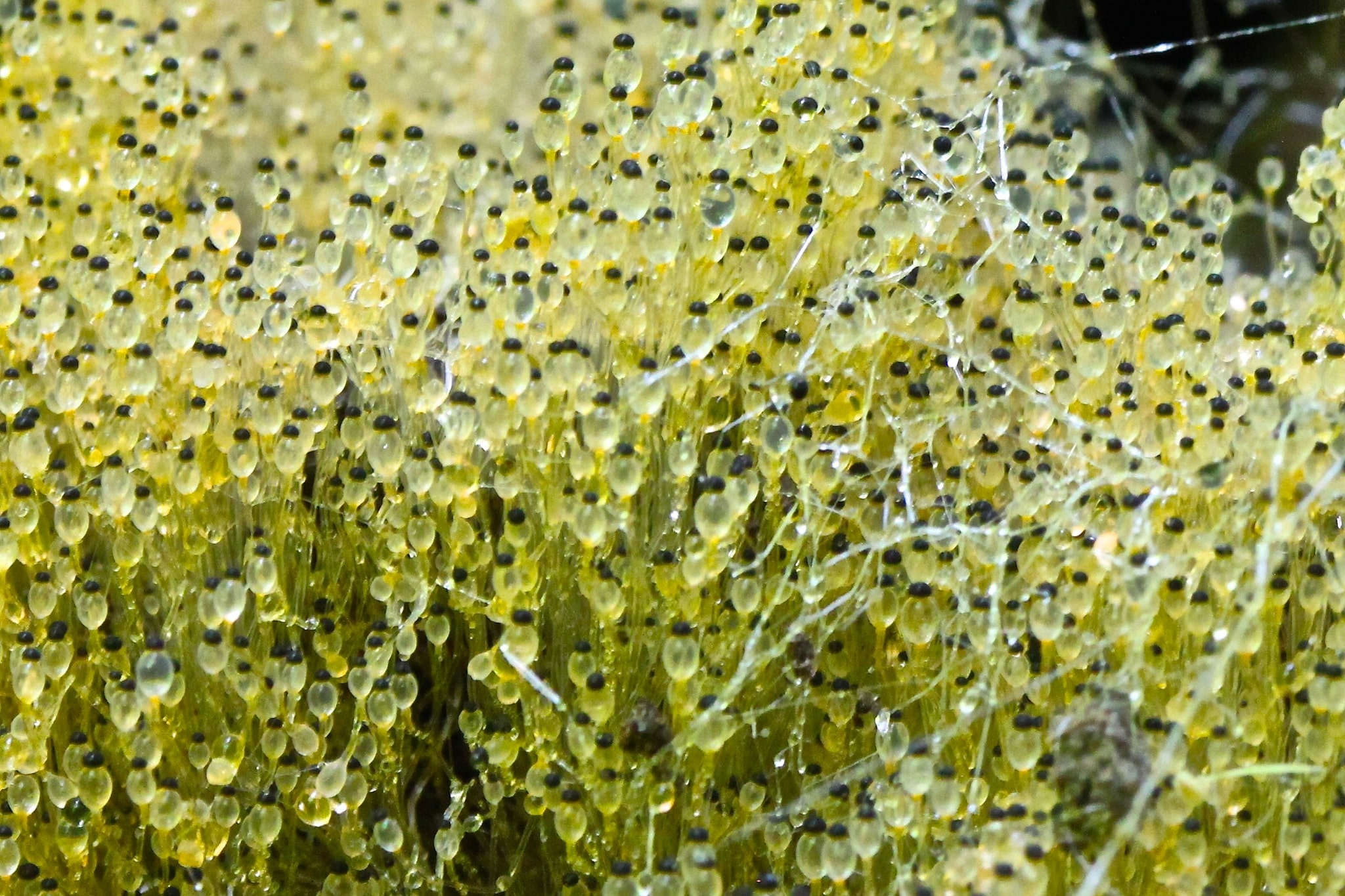
On a new episode of ID the Future, I welcome science reporter David Coppedge to explore some fascinating examples of intelligent design in the plant world. Plants look so helpless tied to the soil, but they and fungi alike have perfected technologies for spreading themselves far and wide. Coppedge describes how various mechanisms, including cavitation and turgor pressure, enable these organisms to launch their spores effectively, turning them into short-range, medium-range, and even long-range missiles that travel great distances relative to their size in order to further life. The conversation also touches on the engineering principles behind plant root systems, and how studying these natural designs can inspire advancements in human technology through biomimetics.
You’ll learn about the fungi Deightoniella, for example, and how they use explosive bubble formation in their stalks to launch spores like tiny rockets as far as 15 times their own length. That might only be a few millimeters, but it’s enough to escape the boundary layer of still air on the leaf surface where they grow. Then there are ferns, which also use cavitation to create a miniature slingshot to shoot spores out at some of the fastest speeds in biology. And let’s not forget the mighty little fungus known as Pilobolus (pictured above), which uses turgor pressure like a mini squirt gun to shoot spores as far as six feet away!
Coppedge also discusses plant root systems, likening root tips to jackhammers and root hairs to stabilizers that allow plants to push through formidable barriers in search of nutrients and water. Coppedge explains how these plant systems exhibit irreducible complexity in their design and function. He also points out that by studying nature’s solutions to engineering problems, we can improve human engineering, an example of intelligent design in action. Download the podcast or listen to it here.
Dig Deeper
Read the articles by David Coppedge that inspired this conversation:
And did you catch this recent podcast interview with Mr. Coppedge?