






































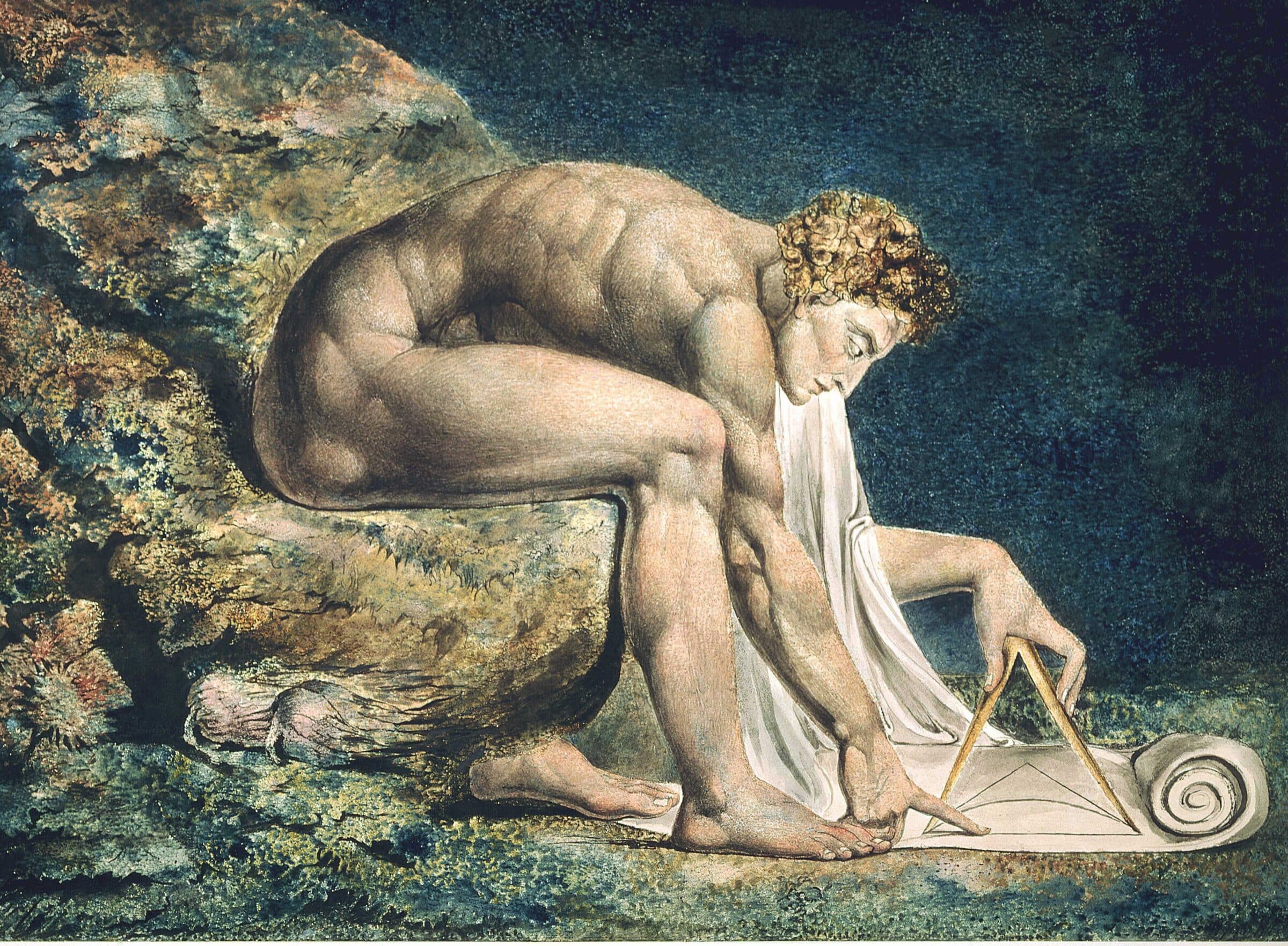
At Crosswalk, physicist Dr. Brian Miller writes, “Intelligent Design Takes Center Stage in New Debate over Science and Faith“:
A great philosophical conflict has raged for thousands of years. It poses an ultimate question: were humans and the world we inhabit created by God, or did it all arise by accidents of nature? Atheists seek to convince the public that the conflict is over. Science, they say, can no longer be considered compatible with faith. Yet a recent debate, which you can see on YouTube, demonstrates the opposite.
The debaters are philosopher of science Stephen Meyer, who is my colleague and the author of Return of the God Hypothesis, and Phil Halper, fellow of the Royal Astronomical Society and co-author of Battle of the Big Bang. Meyer has a PhD from Cambridge University and is a leading figure in the intelligent design research community. Halper hosts a popular YouTube channel that discusses science and philosophy. Halper is one of the most formidable proponents of atheism, but he also admits at the end that the discussion with Meyer was “the toughest debate I’ve ever had.” I can see why.
The host is Justin Brierley, an excellent moderator of conversations between leading scholars over the deepest questions of science, faith, and society. The debate focuses on whether evidence that our universe had a beginning supports belief in God. The three-hour exchange covers not only science but philosophy, theology, and history. Early on, Halper argues that Christian faith often leads to skepticism about well-established science. Meyer counters that the central beliefs of Christianity inspired the founders of modern science, including Isaac Newton and Johannes Kepler, to study nature in the first place.
Newton, Kepler, and others saw in our world the rational and orderly work of a divine mind. They thus expected nature to be governed by laws discoverable through careful observation, mathematics, and experiment. Faith was not a hindrance for them. It was an indispensable guide to scientific discovery.
The greater portion of the debate focuses on the scientific evidence and whether it can be interpreted to support belief in a creator. The details are complex, but the central difference between the two opponents is clear. Meyer is open to belief in a creator. So he has the freedom to follow the evidence where it naturally leads. In contrast, Halper assumes that God does not exist. He poignantly traces his atheism to childhood questions about, among other things, innocent Nile fish killed in the Egyptian Exodus.
Halper is willing to consider any explanation, however implausible, to explain away the evidence.
Read the rest at Crosswalk. Watch the Meyer/Halper debate here: