Science and Culture Today
Discovering Design in Nature
Authors







































Today

What Is Consciousness For? Sixteen Theories

Materialists, Let’s Weigh and Measure the Mind

Physicist Overstates “Gradual” Human Origins

Another “Scientific” Attack on Free Will

Afflicted by Fear of Validating Outsiders

Debating the Declaration
Recommended
The Forces that Shape our Universe: Gravity

Emergence and Irreducible Complexity

Hunted as Prey, Not a “Turning Point”

Scopes: Same Debate, Different World
ID the Future
with Andrew McDiarmid

Defending Fine-Tuning: How to Respond to Common Objections

Strategic Design: A Fighter Pilot on Military Readiness and Excellence

How to Restore Sanity to Scientific Debates
Latest Videos

Stephen Meyer vs Phil Halper: The Big Bang & Fine Tuning – Evidence for God?
Stephen C Meyer, author of ‘Return of the God Hypothesis’ debates Phil Halper, co-author of ‘Battle of the Big Bang’ in a lively 3 hour conversation hosted by Justin Brierley!
…
A Scientist Says the Universe Was Designed… Here’s His Evidence
Bryan Callen interviews Dr. Stephen Meyer about the origin of life and the evidence of intelligent design.
…
Astrophysicist Sarah Salviander Describes Finding God on Scientific Grounds
Andrew McDiarmid interviews astrophysicist Dr. Sarah Salviander on finding God on scientific grounds.
…
“Atheists Have A Serious Problem” Michael Knowles & Intelligent Design
Stephen C. Meyer joins Michael to discuss the scientific case for intelligent design. Drawing from Signature in the Cell and Darwin’s Doubt, Meyer presents evidence from molecular biology, the Cambrian explosion, and information theory that challenges unguided Darwinian evolution and points to an intelligent cause. He addresses common objections and explores the implications for science and worldview. A clear, evidence-based look at one of today’s most important debates.
…Intelligent Design
Afflicted by Fear of Validating Outsiders

Under Aesthetic Arrest

Studies on Active Matter: Potency into Act

The Story of Everything Held Over Through May 21
Historical Sciences
Origin of Life

Origins, Destiny, and Intelligent Design

New Demonstration Life’s Origin Required an Agent

Origin of Life: When Favorite Narratives Unravel
Evolution

The Nanoscale Engineering of Complex III

The Denial of Limited Government in Science’s Name

Stadler on Darwinism’s “Low Confidence” Science
Paleontology
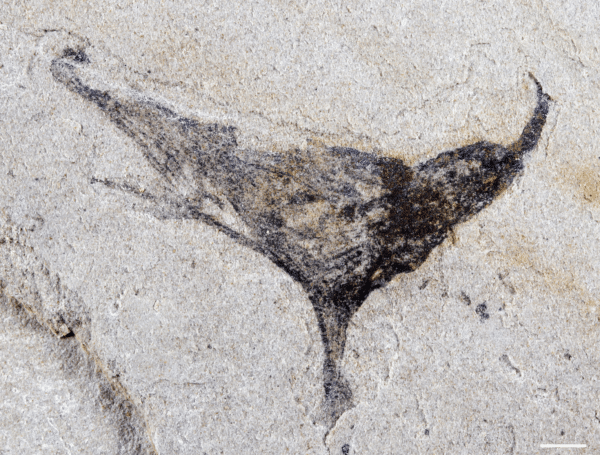
The Prescient Günter Bechly

Beach Stroll Casts Further Doubt on These Fossils
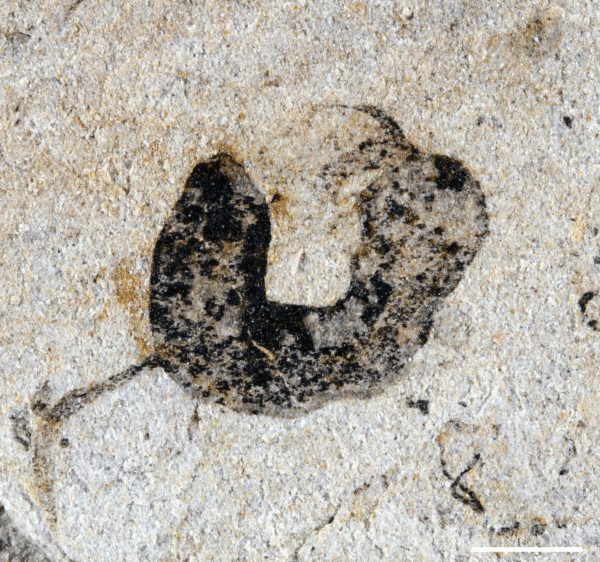
Paper Overstates Bilaterians in Ediacaran
Cosmology

Meyer and Halper Debate the God Hypothesis

The Story, and the Meaning, of Everything

Meyer: Who Created God? “That’s an Easy One.”
Human Origins
Physicist Overstates “Gradual” Human Origins

Neanderthals as Descended from Humans

Error Versus Deception in Human Origins Debate
Archaeology

More Discoveries Point to Neanderthal Intelligence

The Joy of (Neanderthal) Cooking

Dallas Conference: Archaeology & the Life of Jesus
History of Science

Paradigm Lost: Darwinism and the Idea of Progress

Contest of Cosmic Stories “Isn’t a Fair Fight”

Myth and Legend in Darwin’s Famous Origins Story
Geology

As an Idea, the “Anthropocene” Era Is Dead

The Wonders of a Hard Mineral

Plate Tectonics and Scientific Discovery
Life Sciences
Life Sciences

Fireweed: An Example of Intelligent Latent Design

Biological Information in Static Electricity
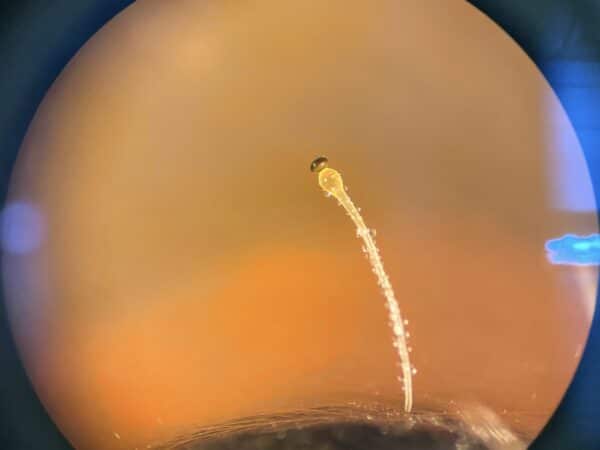
Plant Missile Technology: A Peek in the Armory
Neuroscience
Another “Scientific” Attack on Free Will

Do Brain-Jolts Really Explain NDEs?

Design Logic Explains Neural Wiring Better
Medicine

Gender Reassignment Harmed Mental Health

Western Medicine’s Utilitarian Drift

Doctor’s Diary: Reading the Designer’s Signature
Biology

“Peptideins”? Give Those Shorties Another Look

Alien Life Would Challenge Evolution, Not Religion

What Would Aliens, if They Exist, Look Like?
Physical Sciences
Physics
Meyer and Halper Debate the God Hypothesis
The Story, and the Meaning, of Everything

What Would Stephen Meyer Say to Stephen Hawking?
Chemistry

The Messy Reality of Prebiotic Chemistry

Organic Chemistry Without Intelligence

When Science Degenerates into a Spoils System
Astronomy

“Cosmic Signposts” Pointing to Intelligent Design

Should Mysterious Signals Be Attributed to ET?

Astrobiology as a Secular Quest for Meaning
Fine-Tuning
The Story of Everything…or of Nothing?
Objective Probability of the Fine-Tuning Evidence

A Goldilocks Universe, Designed for Us
Earth Sciences
Geophysics

Aurora Borealis: Scientific and Aesthetic Design

Geoengineering on an Intelligently Designed Planet

No Iron, No Life: Design in Iron Availability
Environment

Great Science Cancellation Continues

COSM Will Feature Nobel Laureate John F. Clauser

Put Mother Nature on the Board of Directors?
Rare Earth
Stephen Meyer on the Meaning of Artemis II Mission

Study: Geological Habitability Parameters

Earth and Mars — A Rare Gem and a Sharp Contrast
Planetology

The Search for ETs: Keeping Hope Alive
Rights for Planets, Moons, and Space Microbes?

Hope for Mars Life Is Dashed Again
Culture
Human Exceptionalism

Tree Rights Advocacy Is Based on Irrationality

Why AI Won’t Replace Us Spiritually

Are We Just Animals? A Tempting Delusion
Arts

Requiem for an Artificial Superintelligence

Tickets Now! Cosmic Beginning & the God Hypothesis

False Messiah: An Addendum on Darwin and Theism
Ethics
Gender Reassignment Harmed Mental Health
Western Medicine’s Utilitarian Drift

Scientists Keep Removed Human Uterus Alive
Social Sciences
Debating the Declaration

John West: The Science of the American Founding
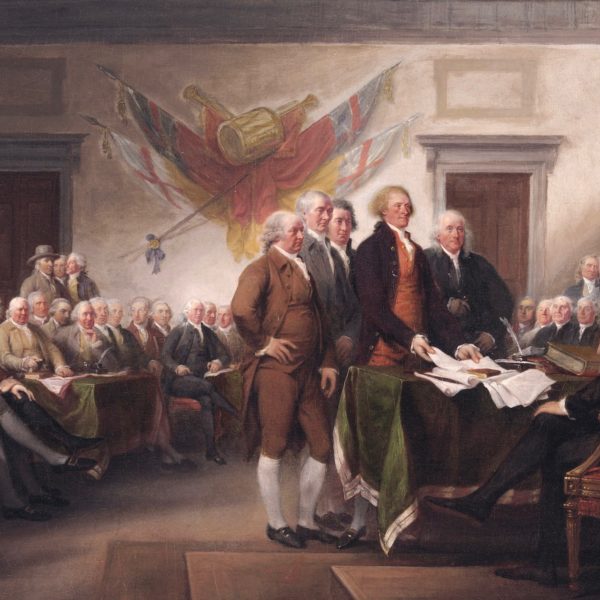
National Creed Rests on Propositions About Reality
Faith and Science

A Journey for Creating Freethinkers
Alien Life Would Challenge Evolution, Not Religion
The Science of Theism as a Healing Salve
Science Education

“My Public Education Was Ruined,” Weeps Dover Grad

Creepy Crawly Complexity: The Design of Insects

Myth No. 5: “Discovery Supported Dover Policy”
Scientific Freedom

The Wrong Tool to Fix Woke Science Journals

Hysteria in the Science Sector Over DOGE

Stand Up for Science or… for Naked Ideology?
Science Reporting
Wall Street Journal Welcomes Story of Everything
On the Origin of Our New Name