Science and Culture Today Discovering Design in Nature
Category

Zoology

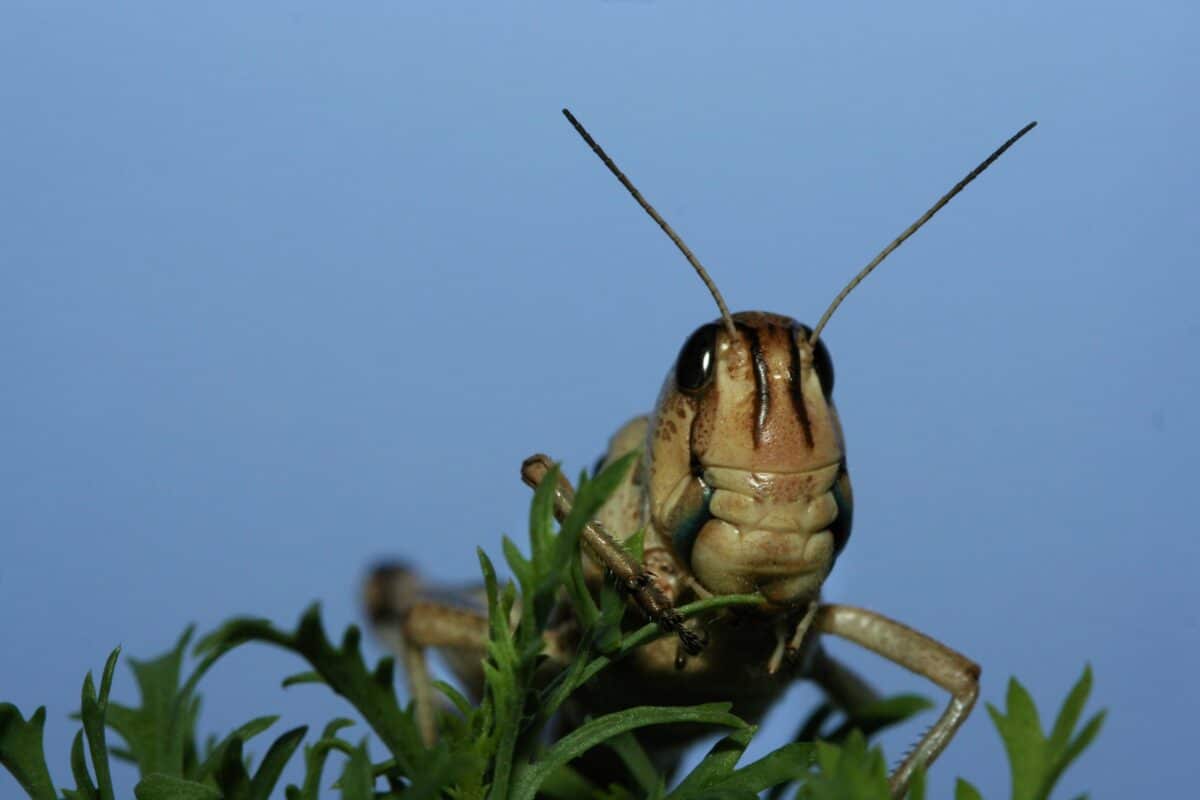
Locustamigratoria-Szaranczawedrowna-Migratorylocu
Photo credit: Marta Boroń, CC BY 2.0 <https://creativecommons.org/licenses/by/2.0>, via Wikimedia Commons.

To Be Honest, Most Humans Don’t Want Insect Burgers

What’s going on here may well be a case of preference falsification, a concept developed by Duke University economist Timur Kuran. Read More ›
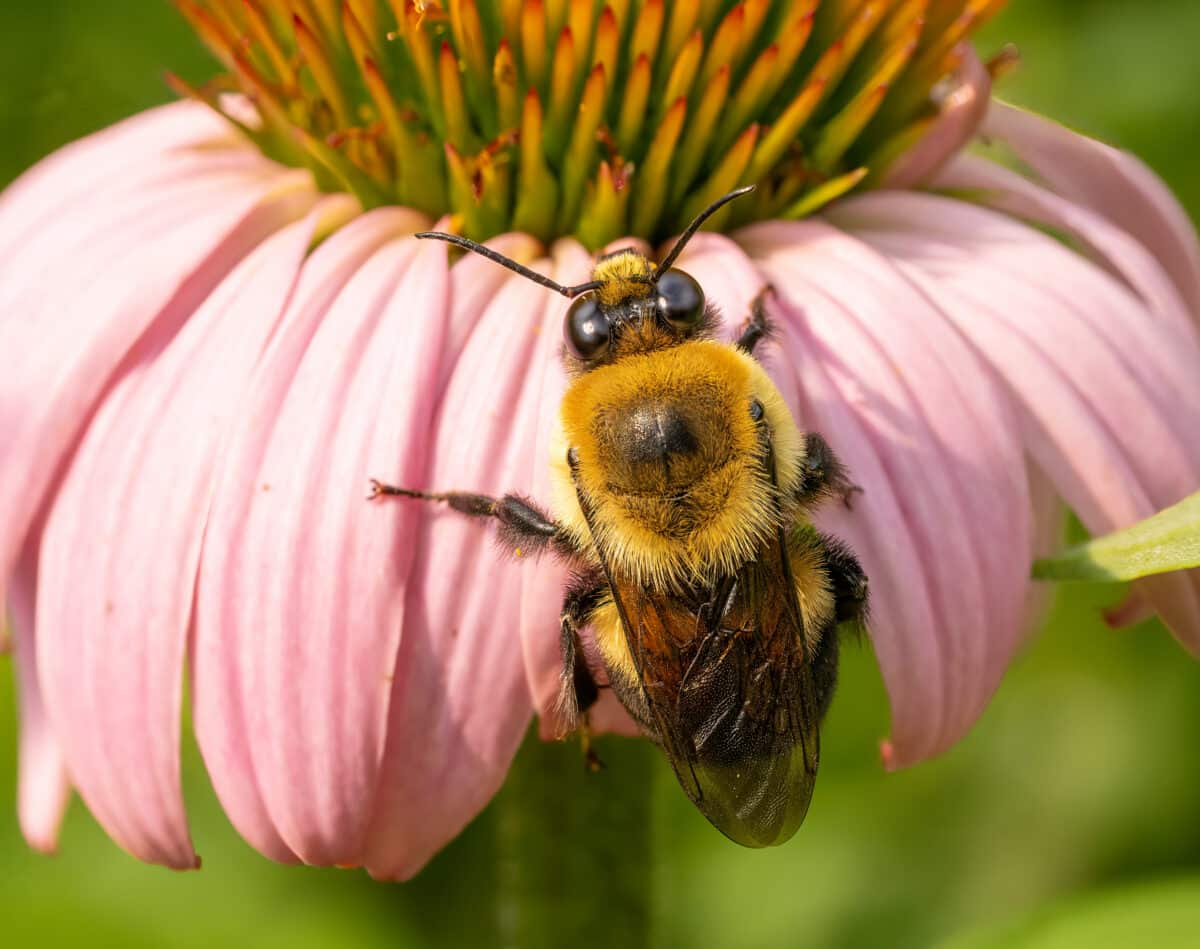
Brown-beltedbumblebee30411
Photo credit: Rhododendrites, CC BY-SA 4.0 <https://creativecommons.org/licenses/by-sa/4.0>, via Wikimedia Commons.

Bee-ing There: Innovative Behavior by Bees
The design of organisms that have sufficient brain complexity and that produce these goal-directed behaviors requires an intelligent agent. Read More ›
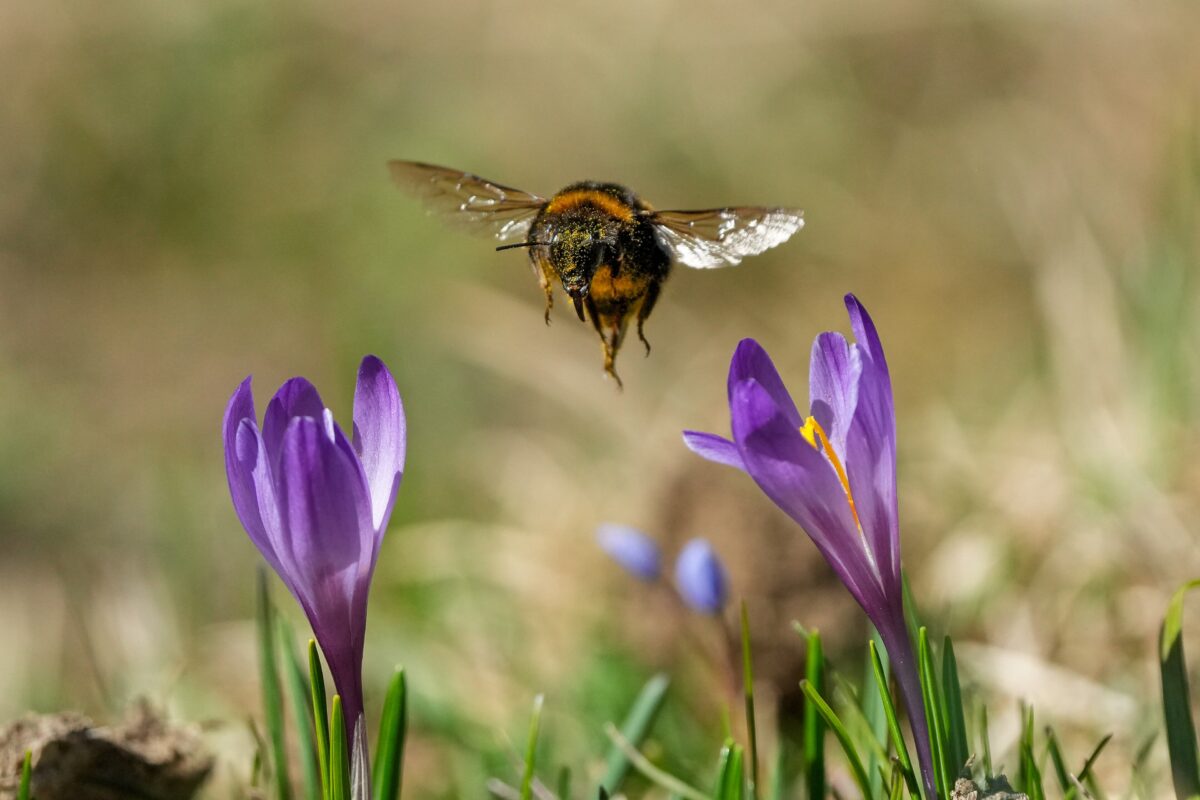
061WildBumblebeeinflightpollinatingwithCrocusParcna
Photo credit: © Giles Laurent, gileslaurent.com, License CC BY-SA, CC BY-SA 4.0 <https://creativecommons.org/licenses/by-sa/4.0>, via Wikimedia Commons.

When Bumblebees Cheat at Games

Perhaps the most significant aspect of the findings is in light of the fact that the bumblebee has only about one million neurons (humans have 86 billion). Read More ›
Aristotle
Photo: Bust of Aristotle, Acropolis Museum, Athens, by Deiadameian, CC BY-SA 4.0 <https://creativecommons.org/licenses/by-sa/4.0>, via Wikimedia Commons.

Of Bee Brains, ChatGPT, and Fists of Ham
Happily, a recent philosopher has provided some intellectual tools for avoiding the sort of ham-fisted either/or approach to consciousness. Read More ›
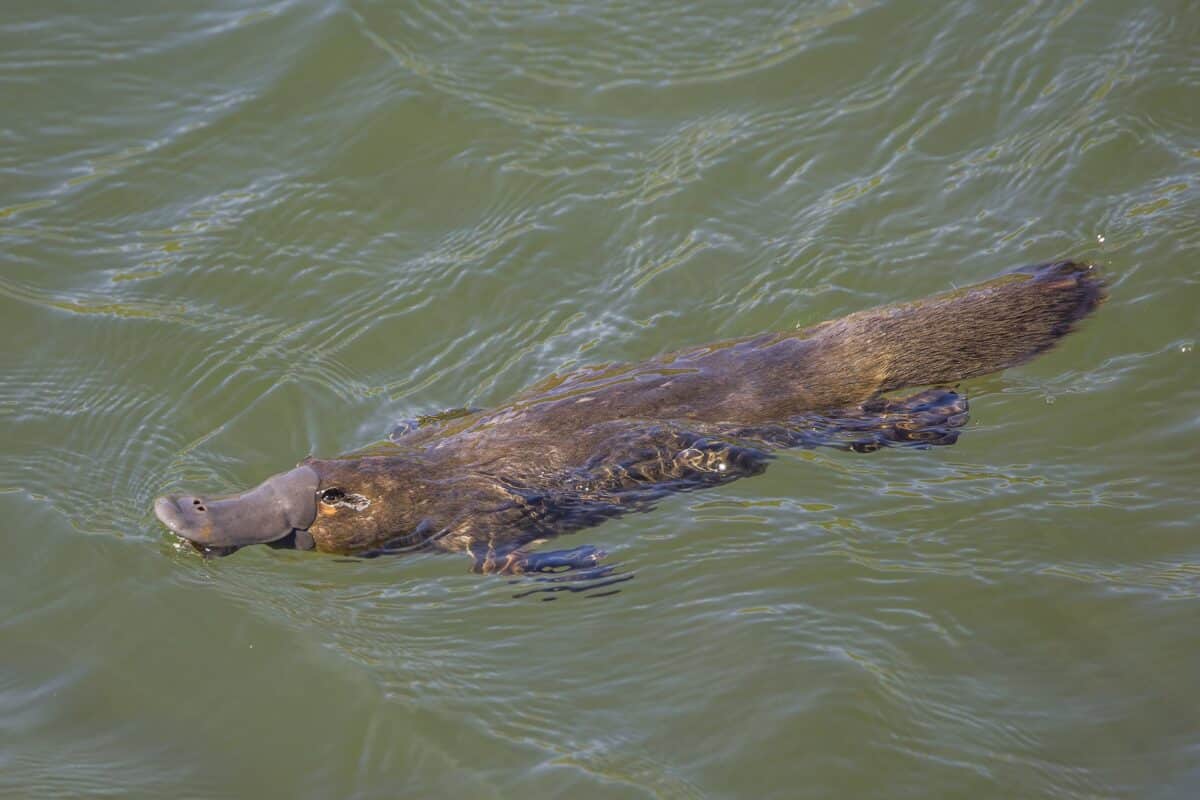
Duck-billedplatypusOrnithorhynchusanatinusScottsdale
Photo credit: Charles J. Sharp, CC BY-SA 4.0 <https://creativecommons.org/licenses/by-sa/4.0>, via Wikimedia Commons.

The Evolutionary Mystery of the Platypus
The bill of the platypus is “the most remarkable organ for sensory perception found in the animal kingdom.” Read More ›
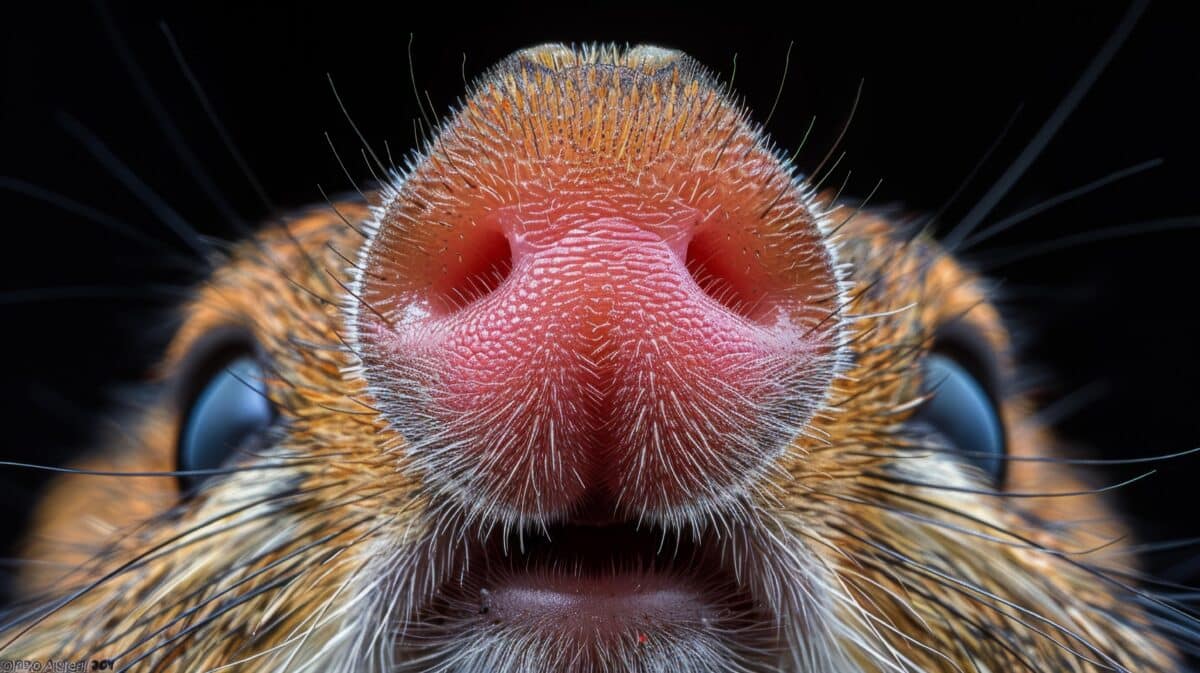
close-up-of-a-mouses-nose-stockpack-adobe-stock-856678805-stockpack-adobestock
Close-up of a mouse's nose
Image Credit: Gayan - Adobe Stock

Nose Knows Better than Darwinism; Design Logic Explains Why
"By mapping millions of neurons in mice, researchers discovered that smell receptors in the nose aren’t random at all." Read More ›
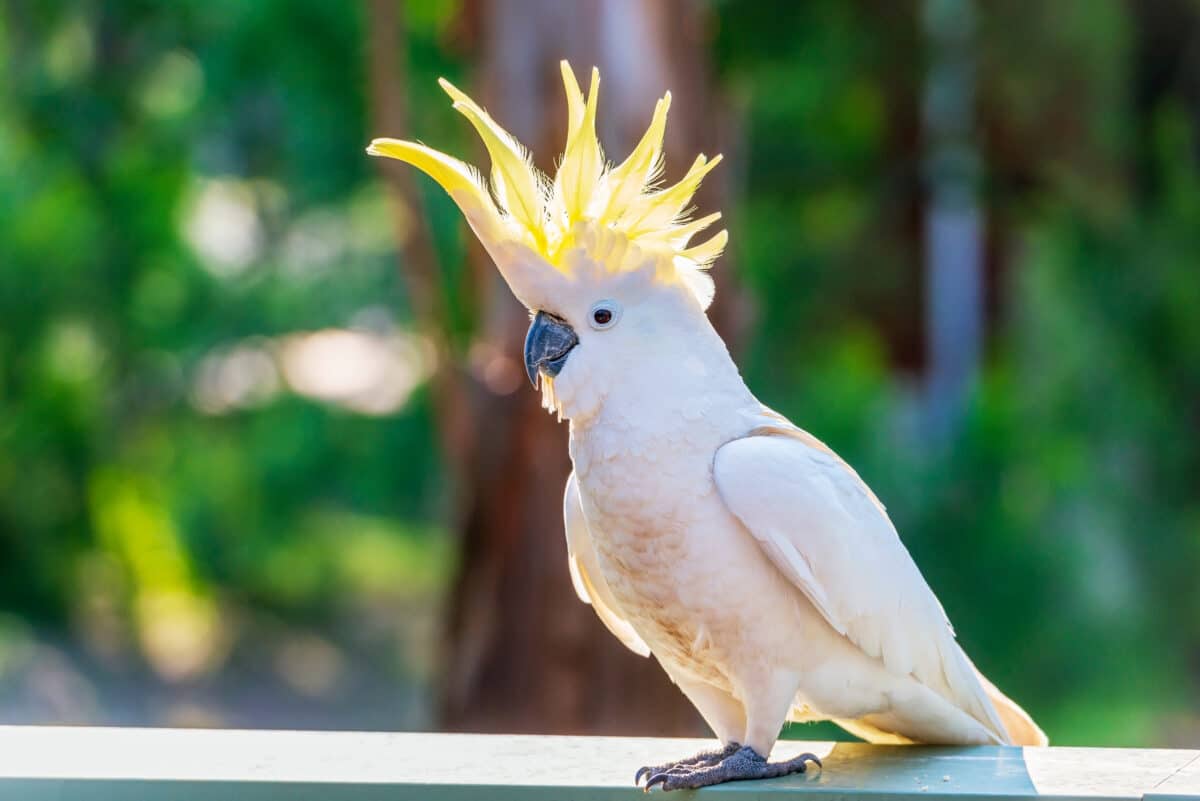
yellow-crested-cockatoo-bird-stockpack-adobe-stock-249892550-stockpack-adobestock
Yellow-Crested Cockatoo Bird
Image Credit: THP Creative - Adobe Stock

What Is Consciousness For? Sixteen Theories Take a Crack at the Question
It sounds like we do not really know what we are looking for, which will doubtless complicate efforts to find it. Read More ›
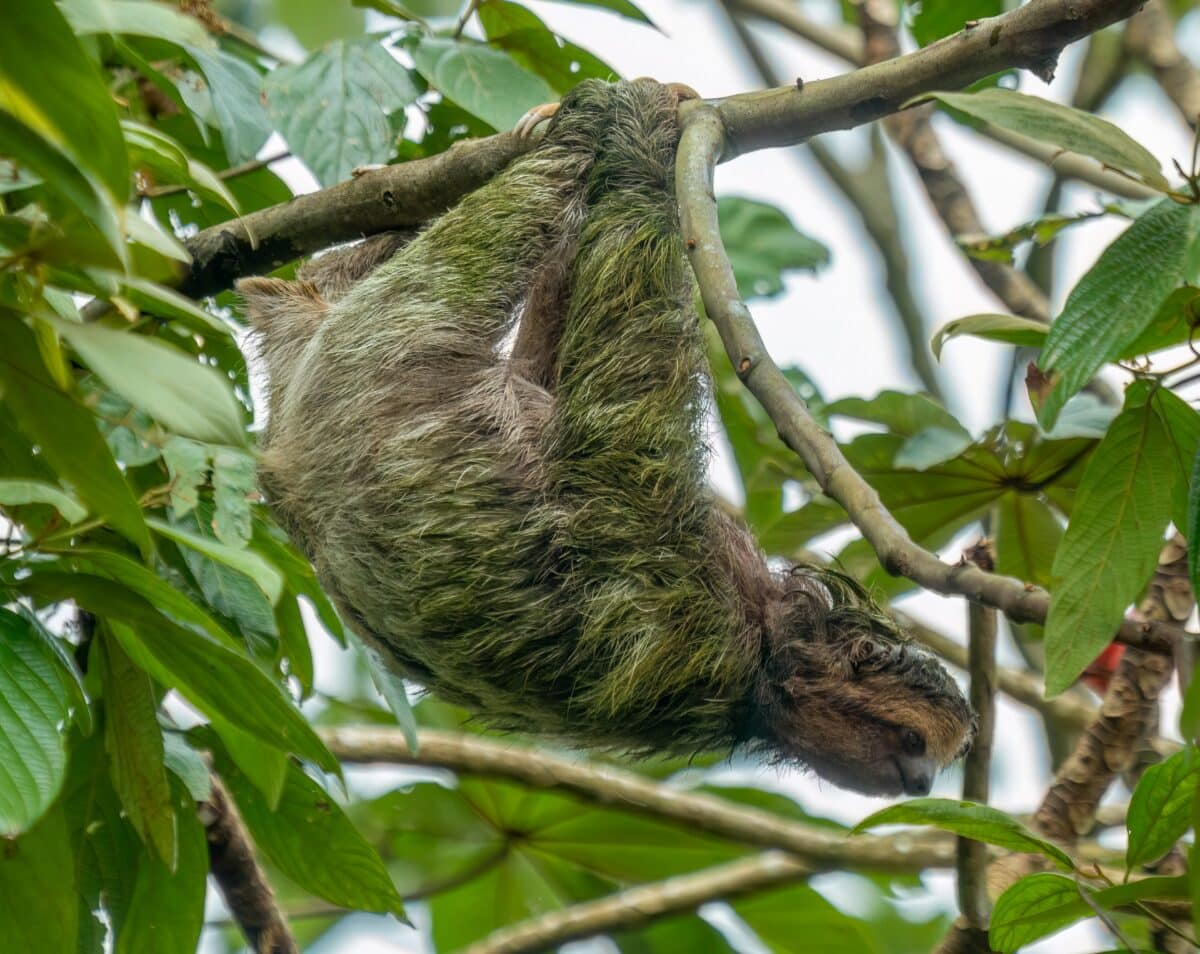
sloth
Photo: Brown-headed sloth, by Rhododendrites, CC BY-SA 4.0 <https://creativecommons.org/licenses/by-sa/4.0>, via Wikimedia Commons.

The Spine, Human and Otherwise: A Miracle of Embryological Development
The sloth has ten neck vertebrae whereas almost all other mammals have seven. The sloth’s extra vertebrae allow it to swivel its neck almost all the way around Read More ›
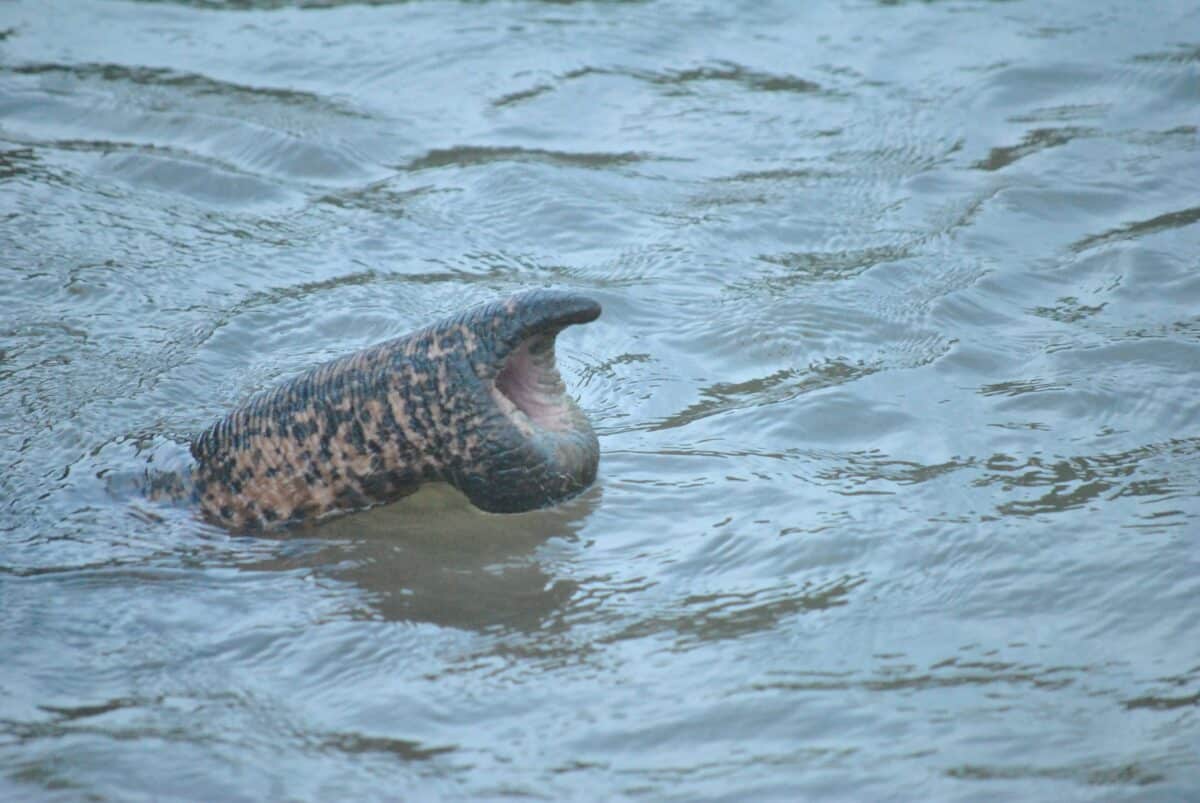
Elephanttrunkbythewater
Photo credit: Andreas Christian, CC BY-SA 4.0 <https://creativecommons.org/licenses/by-sa/4.0>, via Wikimedia Commons.

Research Reveals Elephant’s Amazing Sense of Touch
Elephants can turn over a jeep and pull down a tree, but they can also pick up a potato chip without breaking it. Read More ›
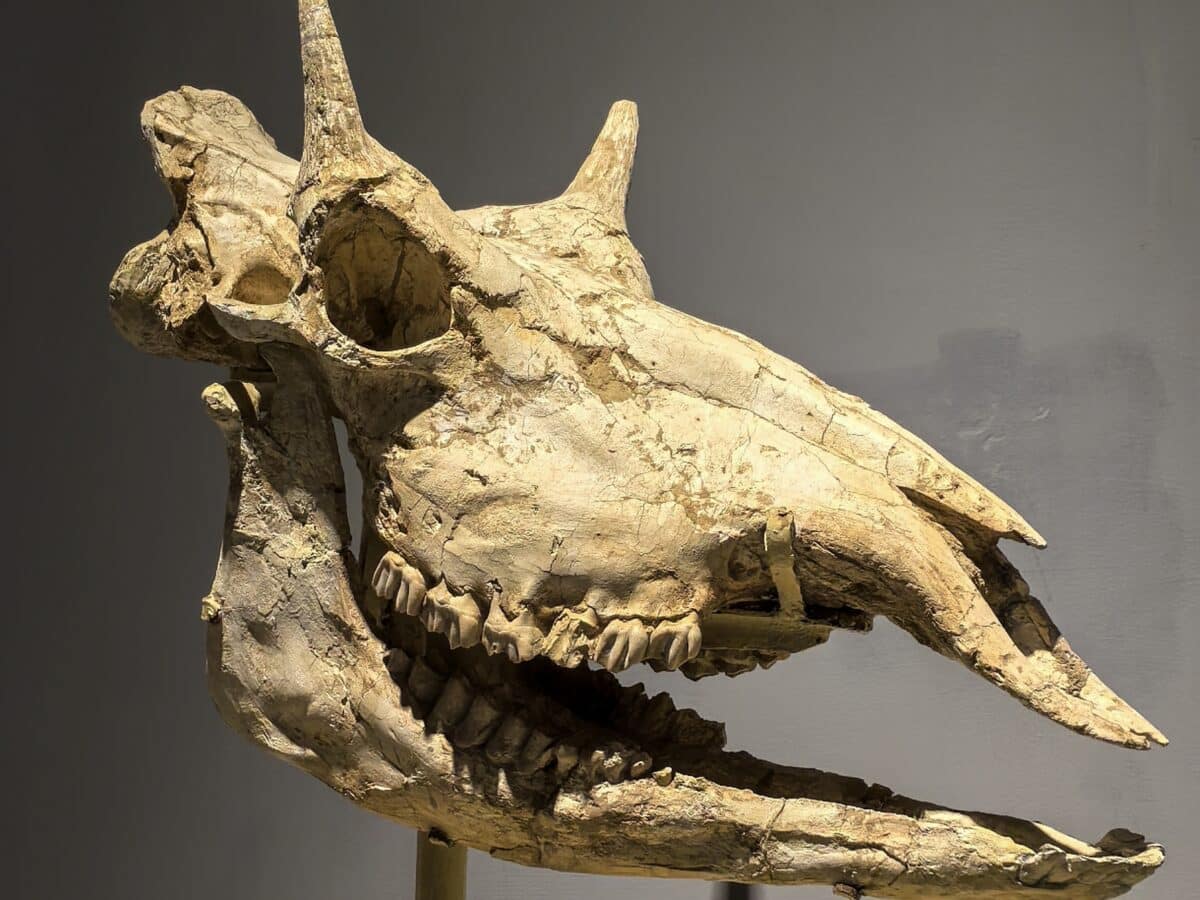
FossilsatHezhengPaleozoologicalMuseum20
Photo credit: STW932, CC0, via Wikimedia Commons.

Is This a Transitional “Missing Link” for Giraffes? Nope

The giraffe’s fossil record reflects a pattern of abrupt appearance rather than the infinitesimally small variations. Read More ›

© Discovery Institute