






































A Friday article at Science Daily caught my eye: “Scientists are Seriously Asking if Bees and ChatGPT Are Conscious.” Either the writer has been fuddled by an unholy amalgam of Cartesianism and materialism, or the framing is a sneaky rhetorical move to get the reader to think, “Wait, scientists don’t think a bee is conscious, but they are now open to the possibility? And ditto future AI? Heck, since I suspect bees are conscious, maybe AI will turn out to be as well!” If leading the reader through that chain of reasoning was the article’s intention, then it was sneaky, sketchy, dubious — those and many other adjectives from the dark side of the thesaurus. But hey, anything for the cause of AI-singularity hype, right?
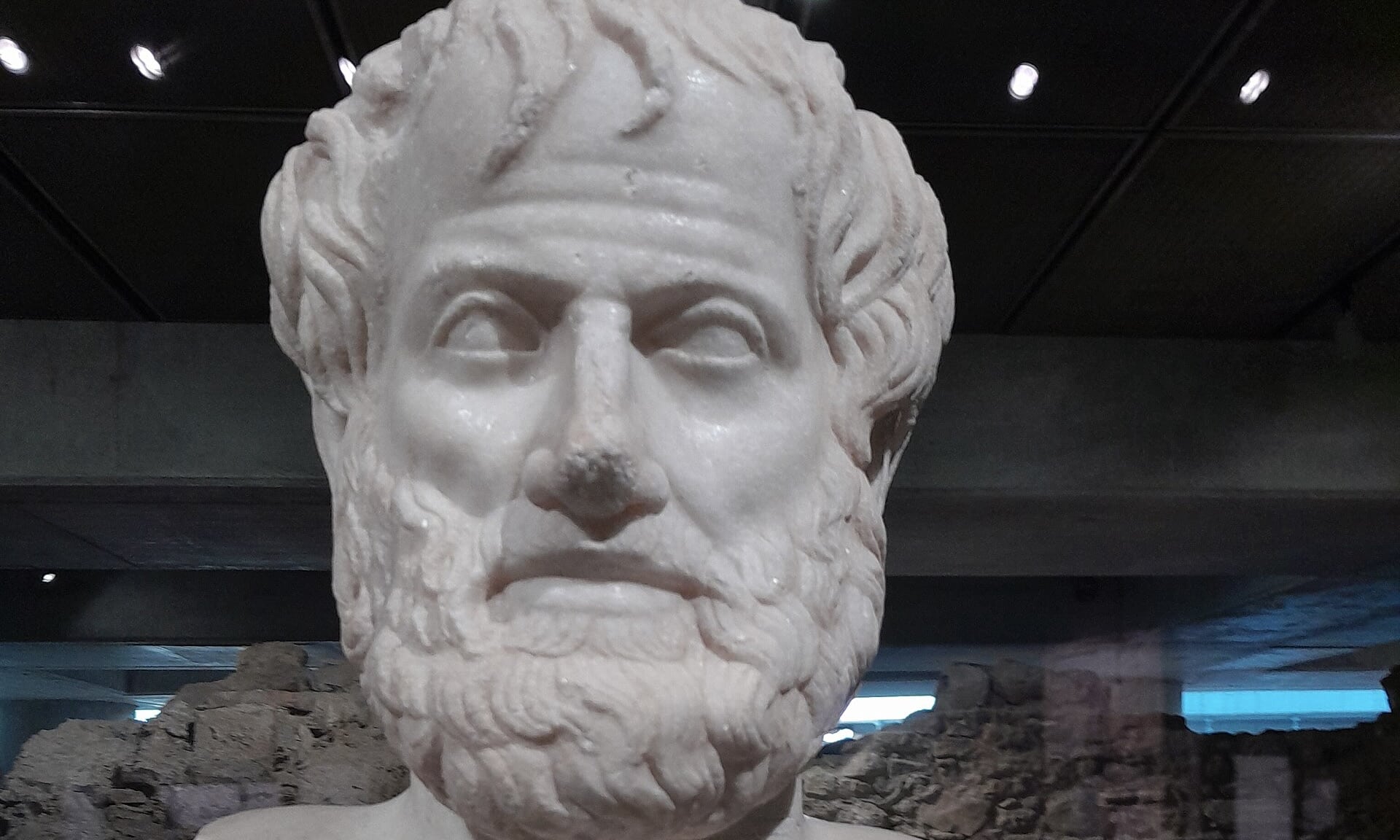
Happily, a recent philosopher has provided some intellectual tools for avoiding the sort of ham-fisted either/or approach to consciousness found in the Science Daily piece. Specifically, when assessing bees, we are not stuck with either “rational and conscious like humans” or “non-conscious automatons,” because this philosopher helpfully introduces the idea of consciousness with, and consciousness without, the rational faculty. Humans possess the rational faculty; bees, not so much (though they do possess some dandy behavioral algorithms.) Unfortunately, since this trailblazing philosopher published his work in Greek, the treatise is apparently not yet widely known.