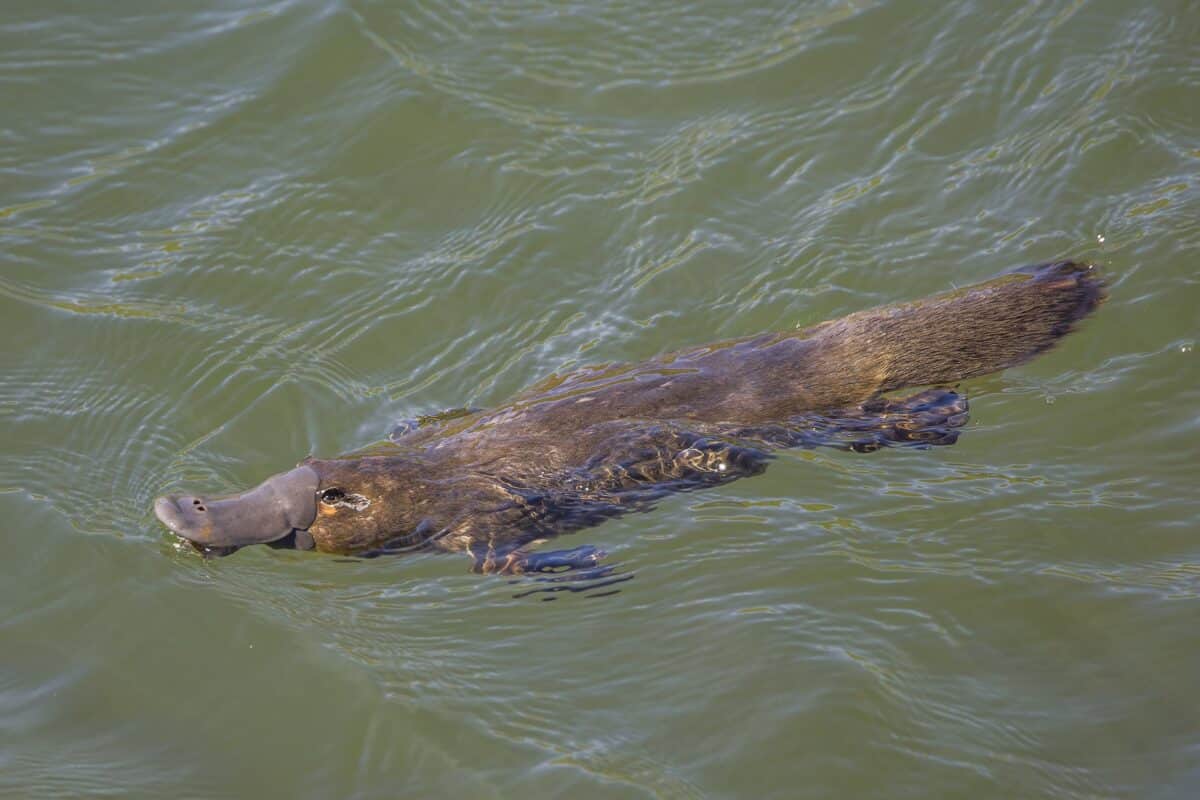
Duck-billedplatypusOrnithorhynchusanatinusScottsdale Type post Author Wolf-Ekkehard Lönnig Date June 1, 2026 CategoriesEvolutionIntelligent DesignZoology Tagged , animal kingdom, BBC Wildlife, beak, bill, biofluorescence, Casey Luskin, Charles Darwin, ENCODE project, Ernst Haeckel, evolution, evolutionary biologists, gene expression, Georges Cuvier, German, human genome, intelligent design, John C. Sanford, lactation, mankind, Neo-Darwinism, New York Times, organs, Ornithorhynchus anatinus, platypus, prehensile tail, sensory perception, sex chromosomes, spurs, stomach, tail, Tomoko Ohta, toxins, UV light, venom The Evolutionary Mystery of the Platypus Wolf-Ekkehard Lönnig June 1, 2026 Evolution, Intelligent Design, Zoology 5 The bill of the platypus is “the most remarkable organ for sensory perception found in the animal kingdom.” Read More ›
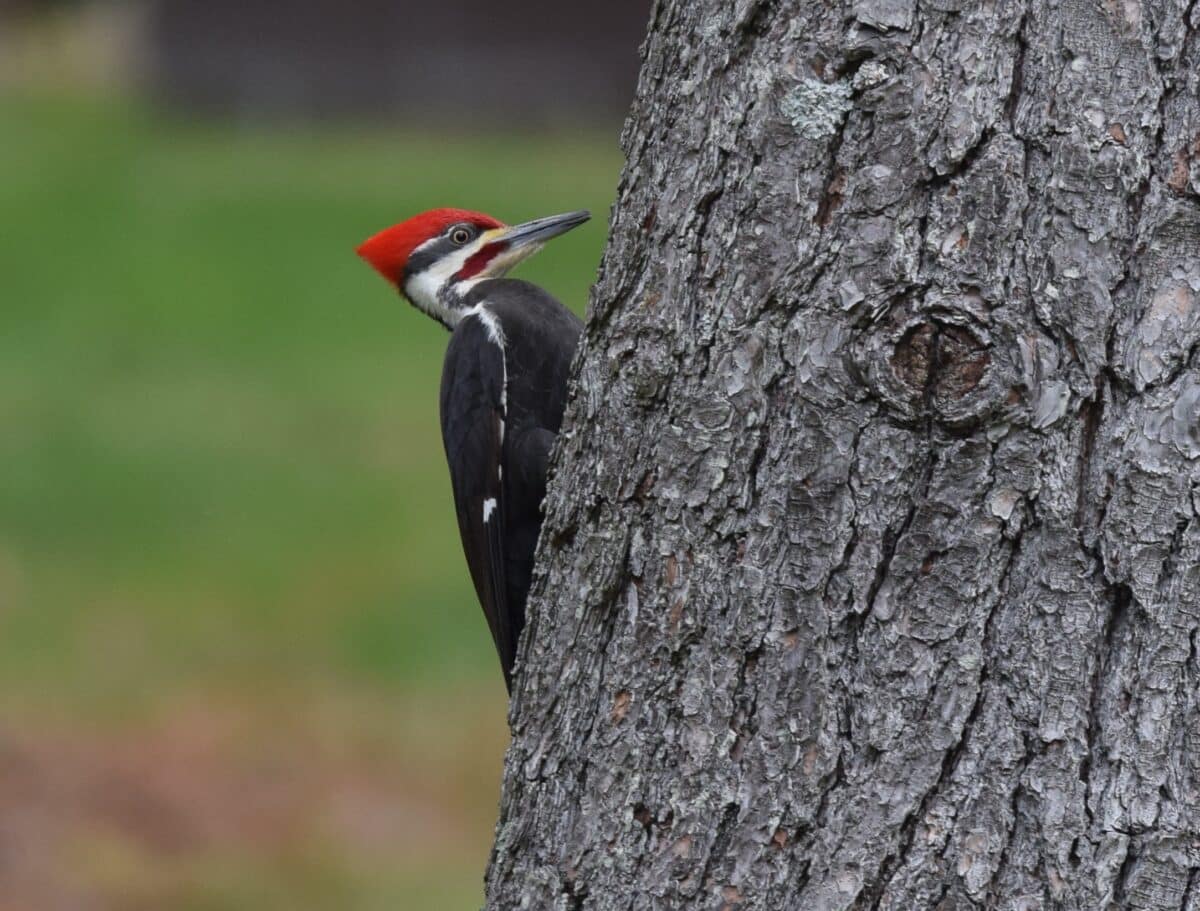
PileatedWoodpecker26378150815 Type post Author David Klinghoffer Date August 26, 2025 CategoriesAnatomyIntelligent DesignLife Sciences Tagged , anatomy, beak, biologists, biology, birds, communication, Dallas Conference on Science and Faith, engineering, evolution, evolutionists, feet, food, injury, intelligent design, Irreducible Complexity, Ray Bohlin, skull, tail, tongue Woodpecker Is a Stunning Example of Irreducible Complexity David Klinghoffer August 26, 2025 Anatomy, Intelligent Design, Life Sciences 2 A partially functional woodpecker evolving to be a functional woodpecker would be evolutionary dead-end. Read More ›
kraken Type post Author Günter Bechly Date November 3, 2023 CategoriesIntelligent DesignPaleontology Tagged , academic freedom, Amazon, beak, cephalopod, creationists, Darwin's Doubt, dissidents, Donald Prothero, Fossil Friday (series), fossil record, ichthyosaurs, intelligent design, Mark McMenamin, Mesozoic, Neo-Darwinism, peer-reviewed journals, PZ Myers, Stephen Meyer, Switzerland, tentacles, thought police, vertebrae Fossil Friday: Triassic Kraken Hypothesis Provoked Scornful Darwinist Revenge Günter Bechly November 3, 2023 Intelligent Design, Paleontology 9 Instead of a reasonable and fair scientific debate, McMenamin’s hypothesis has been ridiculed by other scientists and science journalists. Read More ›
hummingbird Type post Date February 16, 2018 CategoriesIntelligent DesignLife Sciences Tagged , __cedited, beak, evolution, Flight: The Genius of Birds, happenstance, heart, hummingbird, Illustra Media, natural selection, nutrients, Paul Nelson, science, tongue, University of British Columbia, wings Hummingbird Study Illustrates Problem with Darwinian Explanations Science & Culture February 16, 2018 Intelligent Design, Life Sciences 8 Evolutionists put a lot of effort into studying the small questions while sweeping on to the grand fallacy. Read More ›