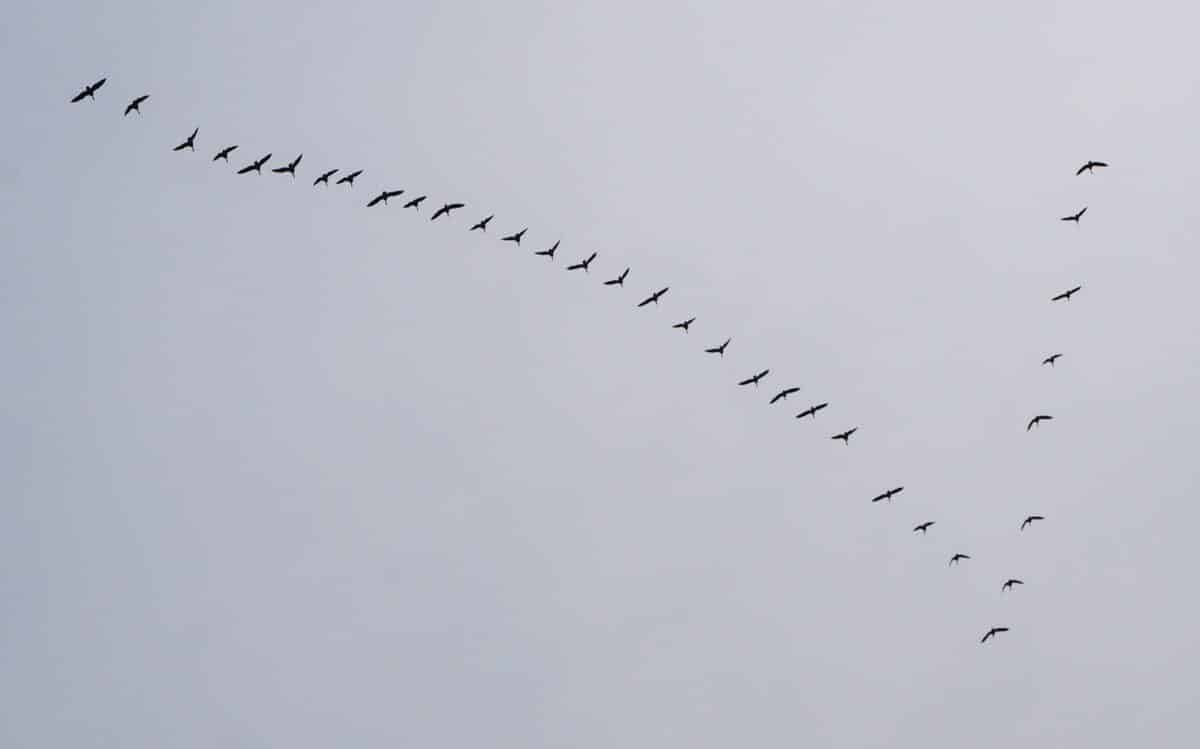
Flyinggeese-panoramio Type post Author David Coppedge Date September 22, 2026 CategoriesIntelligent DesignZoology Tagged , amplitude, animals, Arctic terns, barometric pressure, bats, birds, Brown University, convergent evolution, Current Biology, engineering, flapping, Flight, Flight (documentary), geese, geolocator, Illustra Media, Kenneth S. Breur, light, nocturnal migration, Olivia Pomerenck, PNAS, powered flight, predators, starlings, stars, turbulence, V formation Birds on the Move: Awe at the Wonders Overhead David Coppedge September 22, 2026 Intelligent Design, Zoology 4 Migrating birds like geese and ibises often fly in a V formation. It’s a memorable sight for birdwatchers looking up into the sky. Read More ›
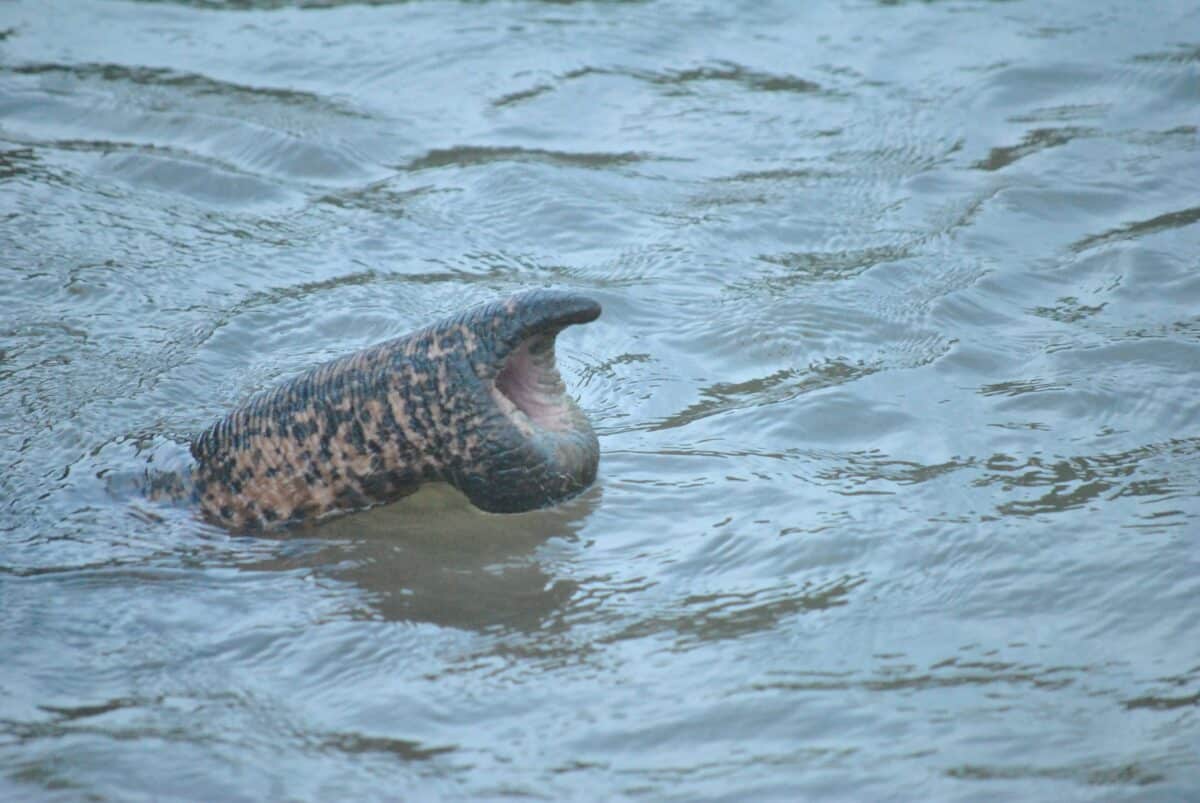
Elephanttrunkbythewater Type post Author David Coppedge Date March 16, 2026 CategoriesBiologyIntelligent DesignZoology Tagged , amplitude, Andrew Schultz, Asian elephants, biology, cats, curb feelers, engineering, finite element analysis, frequency, interoception, Katherine Kuchenbecker, Marc S. Lavine, material intelligence, materials, Max Planck Institute, mechanosensors, medical devices, Merkel cells, neuroscience, peanut, potato chip, power, rat whiskers, rats, rodents, Science (journal), sensory neurons, stiffness gradient, vibrotactile signals, whisker breakage, whisker hairs Research Reveals Elephant’s Amazing Sense of Touch David Coppedge March 16, 2026 Biology, Intelligent Design, Zoology 8 Elephants can turn over a jeep and pull down a tree, but they can also pick up a potato chip without breaking it. Read More ›