








































Science and Culture Today Discovering Design in Nature
Topic

philosophy

MichaelLevin
Photo credit: Kriegman, S., Blackiston, D., Levin, M., Bongard, J., CC BY 4.0 <https://creativecommons.org/licenses/by/4.0>, via Wikimedia Commons.

Michael Levin and the Philosophy of Intelligent Design

Levin is not a reflexive Darwinian materialist. Moreover, he touches on many themes that intelligent design theorists touch on. Read More ›
hubble-ngc4388-potw2550a
Photo credit: ESA/Hubble & NASA, S. Veilleux, J. Wang, J. Greene.

New Peer-Reviewed Paper Defends Cosmic Fine-Tuning Argument
Fumagalli does not in the end state whether he himself lands on the multiverse hypothesis, cosmic design, or unknown physics as the best explanation. Read More ›
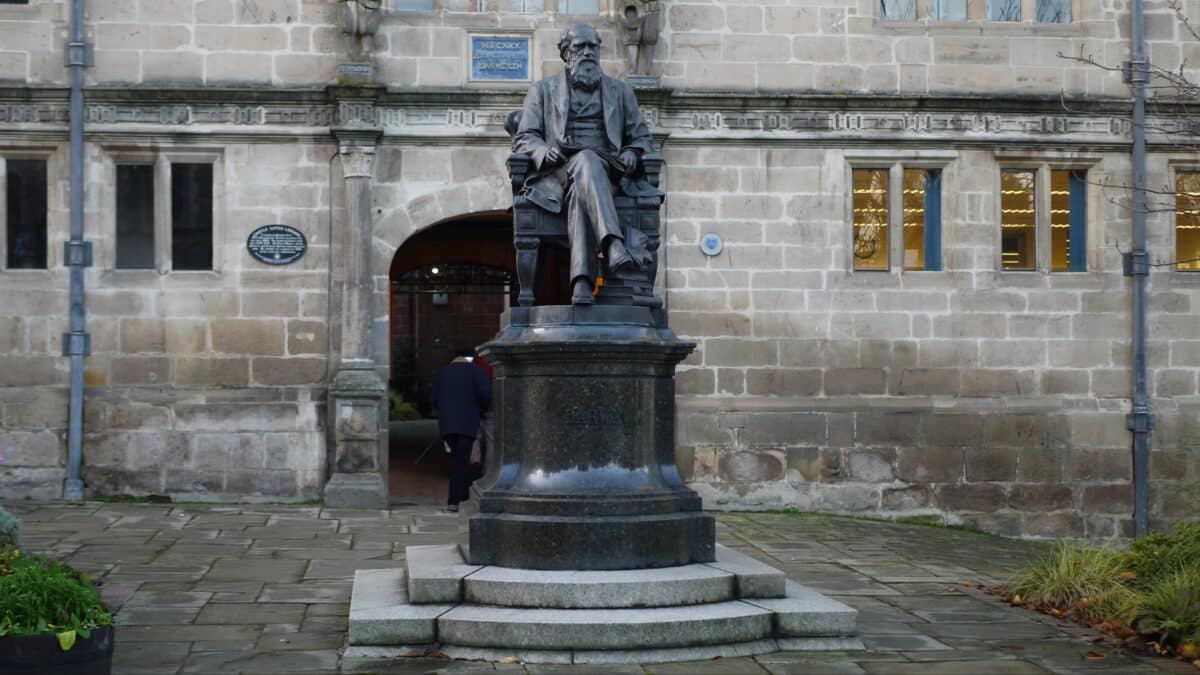
StatueofCharlesDarwinShrewsbury
Photo credit: Peter_Glyn, CC0, via Wikimedia Commons.

Philosopher Steve Fuller on Science, Censorship, and the “Church of Darwin”

The conversation delves into the institutional censorship within modern science, where ID concepts are effectively barred from professional journals. Read More ›
StrawManatBroselakeFarm-geographorguk-4141636
Photo credit: Straw Man at Broselake Farm by Jeff Buck, CC BY-SA 2.0 <https://creativecommons.org/licenses/by-sa/2.0>, via Wikimedia Commons.

Ten Myths About Dover: No. 1, “Jones Judged Actual ID Theory, Not a Straw Man”

At the end of the day, the ruling by Judge Jones really is not a refutation of intelligent design at all. Read More ›
Holybiblebook
Photo credit: Leon Brooks, Public domain, via Wikimedia Commons.

Ten Myths About Dover: No. 7, “Showed ID Is ‘Religious’ and a Form of ‘Creationism’”
Is intelligent design actually religious? Is it a form of Christianity? We can immediately see that it is not. Read More ›
Screenshot 2025-10-16 at 6.08.32 PM (2)
Image source: Discovery Institute.

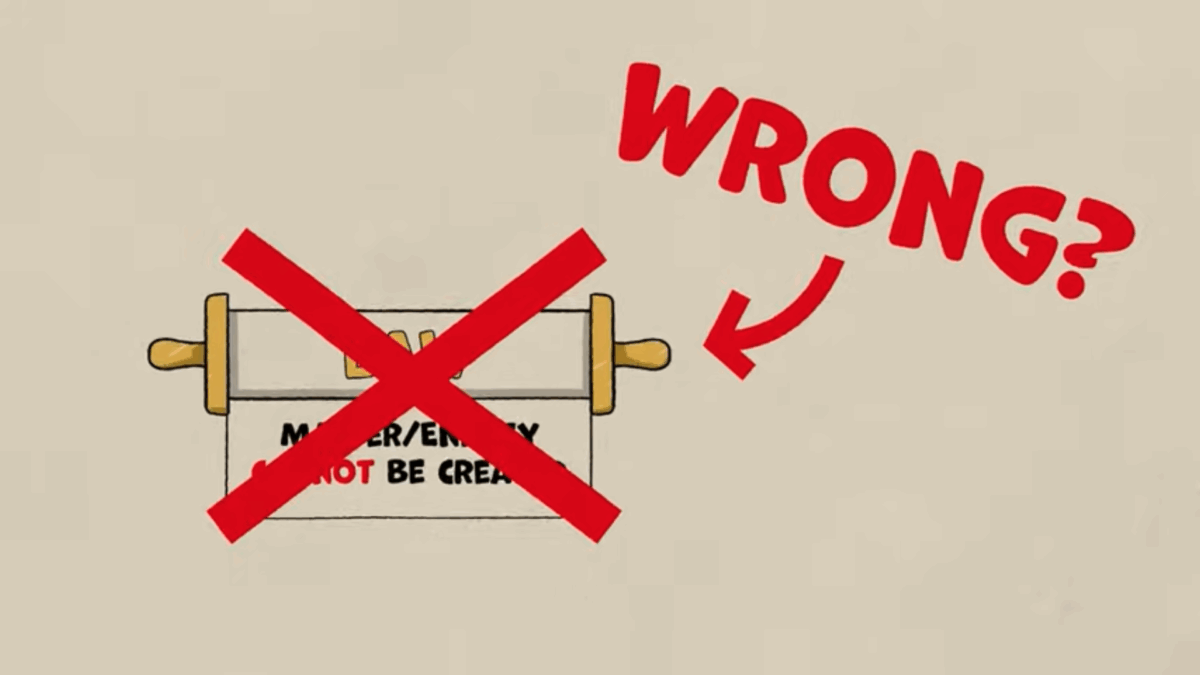
Dealing with Further Objections to “Proof of God in 3 Minutes”
A transcendent, supernatural first cause is necessary to explain why our universe and all of its matter and energy exist. Read More ›
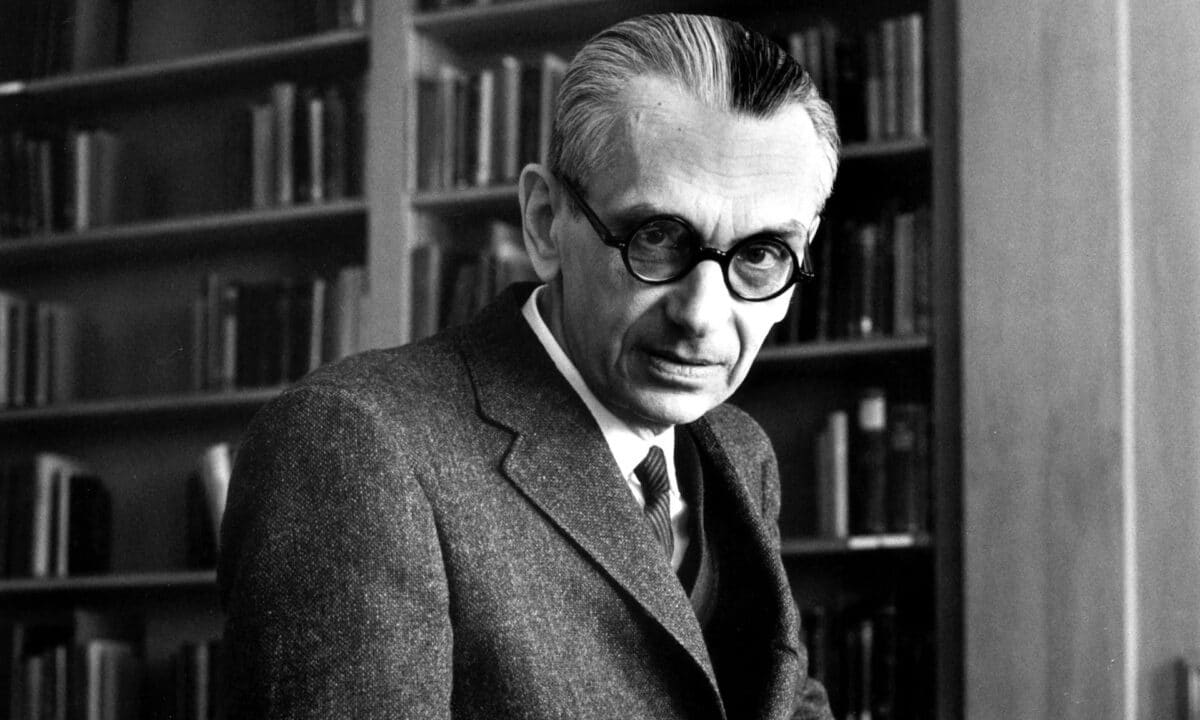
KurtGdel
Photo: Kurt Gödel, CC BY 4.0 <https://creativecommons.org/licenses/by/4.0>, via Wikimedia Commons.

Innovative New Book by French Authors Complements Meyer’s God Hypothesis

Kurt Gödel is not as widely known in popular culture as Einstein, but mathematicians consider his work just as revolutionary and foundational. Read More ›
the-interior-of-ancient-buildings-in-the-qin-and-han-dynasti-432809584-stockpack-adobestock
The interior of ancient buildings in the Qin and Han dynasties of China
Image Credit: gui yong nian - Adobe Stock

John Searle (1932–2025): A Titan Passes

Searle’s most famous argument is undoubtedly the Chinese Room argument, first presented in his essay “Minds, Brains, and Programs” (1980). Read More ›
empty-classic-red-chinese-room-stockpack-adobe-stock-753536499-stockpack-adobestock
empty classic red chinese room
Image Credit: sema_srinouljan - Adobe Stock

Farewell to John Searle, Philosopher of Mind and Language

His Chinese Room thought experiment, an argument for why computers can seem clever without having minds, was widely understood among the lay public. Read More ›
RembrandtvanRijn-Ascholarinhisstudy1634-2
Image: A Scholar in His Study, by Rembrandt van Rijn, via Wikimedia Commons.

Darwin, Faust, and the Alchemist: Unexpected Roots of a Scientific Idea

Today we would of course brand both Faust and the Alchemist fantasists or “mad scientists” of the first order. Was Darwin prone to such wishful thinking? Read More ›

© Discovery Institute