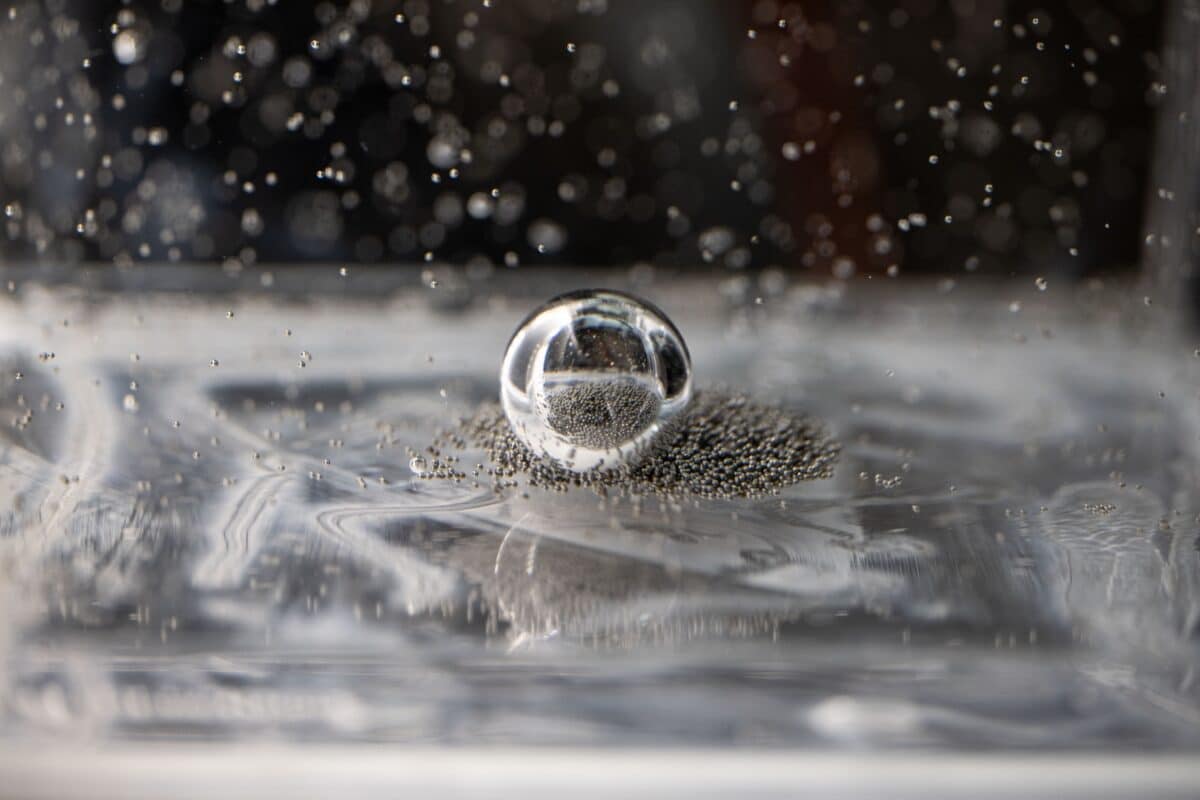
formless-matter Type post Author Winston Ewert Date March 19, 2026 CategoriesFaith & ScienceMetaphysicsPhysics Tagged , air, Ambrose, Aristotle, Basil of Caesarea, Bible, Biblical texts, cellulose, Christianity, Chrysostom, classical science, demiurge, duck, earth, elements, Ephrem the Syrian, fire, form, Genesis, house, John Calvin, Justin Martyr, Martin Luther, matter, metal, metaphysics, nuclear reactions, Periodic Table, philosophy, pipes, plastic, Plato, rabbit, radioactive decay, scientific ideas, Septuagint, St. Augustine, St. Thomas Aquinas, Tertullian, The Heavens the Waters and the Partridge, Timaeus, water, wires, Wisdom of Solomon, wood Can Formless Matter Exist? A Pitfall in Reading Biblical Texts Winston Ewert March 19, 2026 Faith & Science, Metaphysics, Physics 9 The solution is to go back to the source and follow the text to see what it actually says. Read More ›
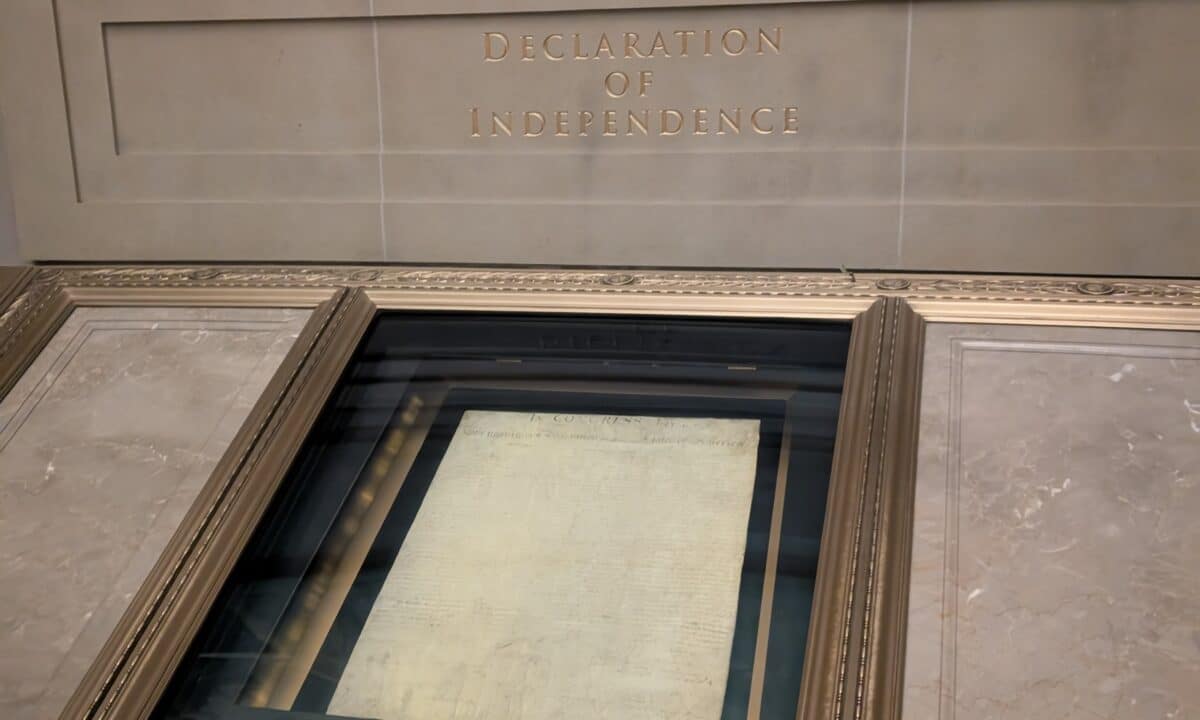
NationalArchivesoftheUnitedStates-DeclarationofInde Type post Author John G. West Date March 9, 2026 CategoriesEthicsFaith & Science Tagged , Algernon Sidney, Apostle Paul, Aristotle, Bible, C.S. Lewis, Christianity, Cicero, College of Philadelphia, conscience, Declaration of Independence, Founders, George Washington, gravity, James Wilson, John Adams, John Calvin, John Locke, Martin Luther, Mere Christianity, Moral Law, Nature, reason, Richard Hooker, Romans, Supreme Court, Ten Commandments, The Abolition of Man, theology, Thomas Aquinas, Thomas Jefferson, Two Treatises of Government, U.S. Constitution The Laws of Nature and of Nature’s God John G. West March 9, 2026 Ethics, Faith & Science 4 The “Laws of Nature” are those truths about reality that all well-formed human beings have access to through observation, reason, and conscience. Read More ›