






































Science and Culture Today Discovering Design in Nature
Topic

imagination

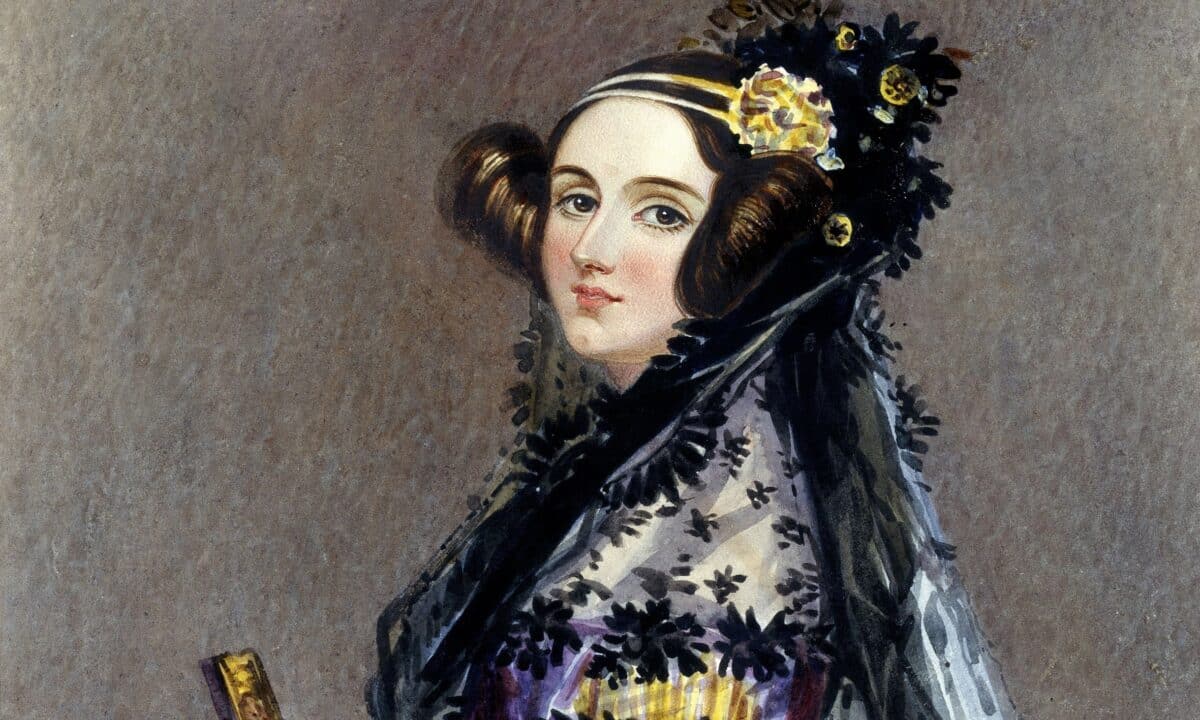
AdaLovelaceportrait
Image: Ada Lovelace, by Alfred Edward Chalon, Public domain, via Wikimedia Commons.

Ada Lovelace: A Poetic Approach to Science

Today, I want to share a few insights from another notable figure in the history of computing and artificial intelligence. Read More ›
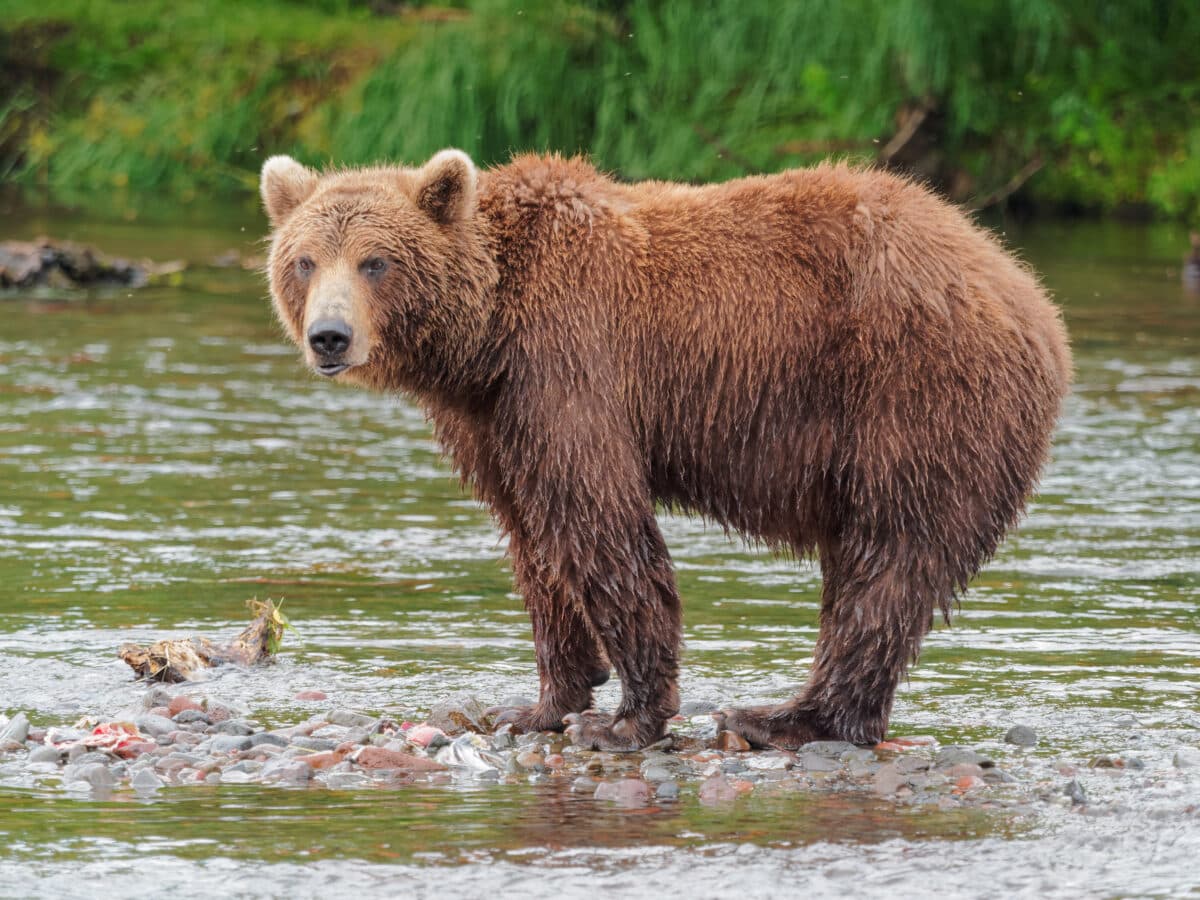
bear
Photo credit: Robert F. Tobler, CC BY-SA 4.0 <https://creativecommons.org/licenses/by-sa/4.0>, via Wikimedia Commons.

In Defiance of Evolution, Life Is an Idea
Nobody looks at a bear and thinks, “If it only had a long tail, it would be more bear-like.” Read More ›
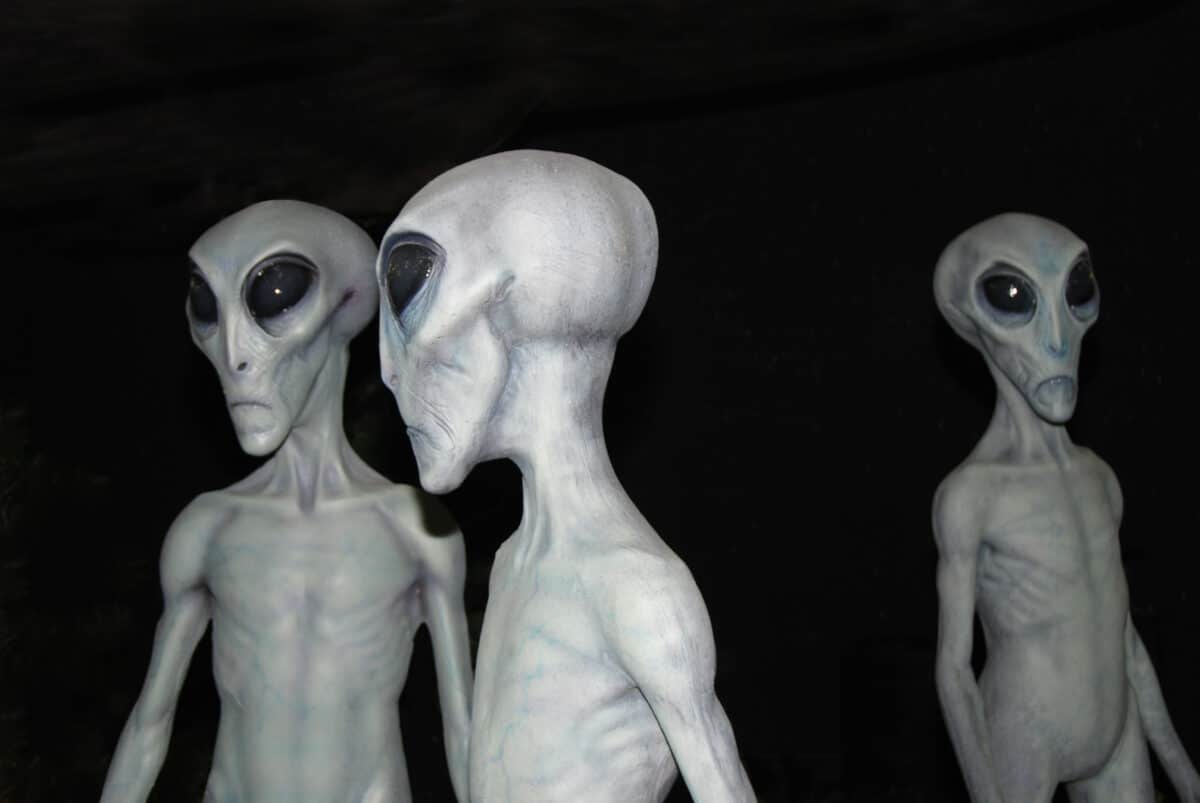
three-aliens-stockpack-adobe-stock-43387802-stockpack-adobestock
Three Aliens
Image Credit: mikesch112 - Adobe Stock

For Extraterrestrial Life, All Credit to a Creator

As Casey Luskin reminds us, technology-using aliens would — by the intent of the cosmic design — need to live on a planet like ours with a physiology like ours. Read More ›
ApeHuman.jpg
Photo and image credit: Jody Sjogren, with permission.

Evolutionary Icons and an Iconic Cover
Thank you to Jody Sjogren for the kind permission to share her work here with our readers. Read More ›
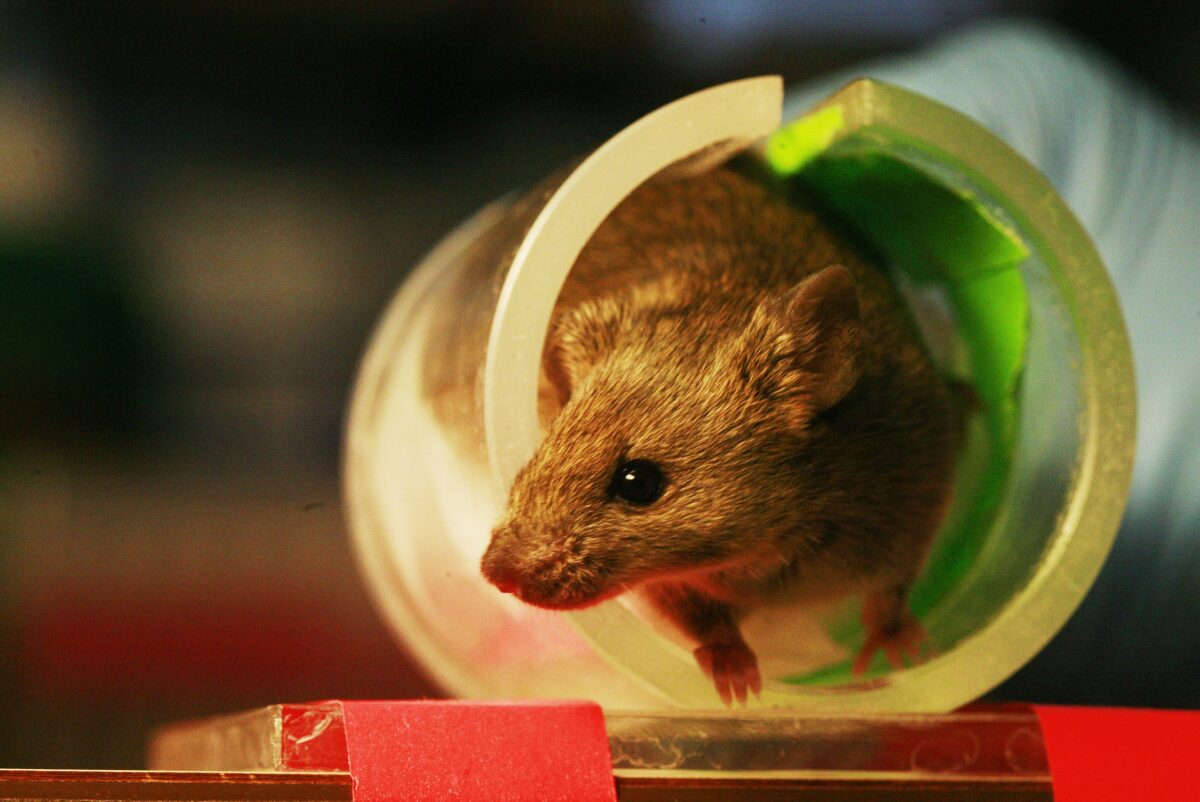
2560px-Lab_mouse_mg_3294
Photo credit: Rama, CC BY-SA 2.0 FR <https://creativecommons.org/licenses/by-sa/2.0/fr/deed.en>, via Wikimedia Commons.

Research with Mice May Explain How the Placebo Effect Works
The mice had to be placed in a painful situation in order to trigger a placebo effect. With humans, it is often just a matter of communicating orally. Read More ›
Multiverse_light_sculpture_-_HDR
Photo credit: Northside777, CC BY-SA 4.0 <https://creativecommons.org/licenses/by-sa/4.0>, via Wikimedia Commons.

Three Types of Science: Fantasy Science
One example of fantasy science, according to biophysicist Kirk Durston, is the multiverse. Read More ›
computer
Photo credit: blickpixel, via Pixabay.

ChatGPT Linked with Memory Loss, Poor Academic Performance

When students rely on AI to write their papers or organize all of their information, they forego the need to ingest and memorize the material themselves. Read More ›
curiosity
Photo credit: Jeremy Bishop via Unsplash.

Asking Questions Demonstrates Human Exceptionalism

This human trait of question-asking begins almost as soon as we learn to talk. Young children can confound their parents with their rapid-fire questions. Read More ›
robot
Photo credit: physic17082002, via Pixabay.

Five Reasons Why AI Programs Are Not “Human”

A Google engineer, Blake Lemoine, mistakenly designated one AI program "sentient." Read More ›
Neanderthal
Photo: A Neanderthal, by Paul Hudson, via Flickr (cropped).

Human Origins — The Scientific Imagination at Play

Not surprisingly, the transition from ape to man is the first, second, and third image produced by a Google image search for the term "evolution." Read More ›

© Discovery Institute