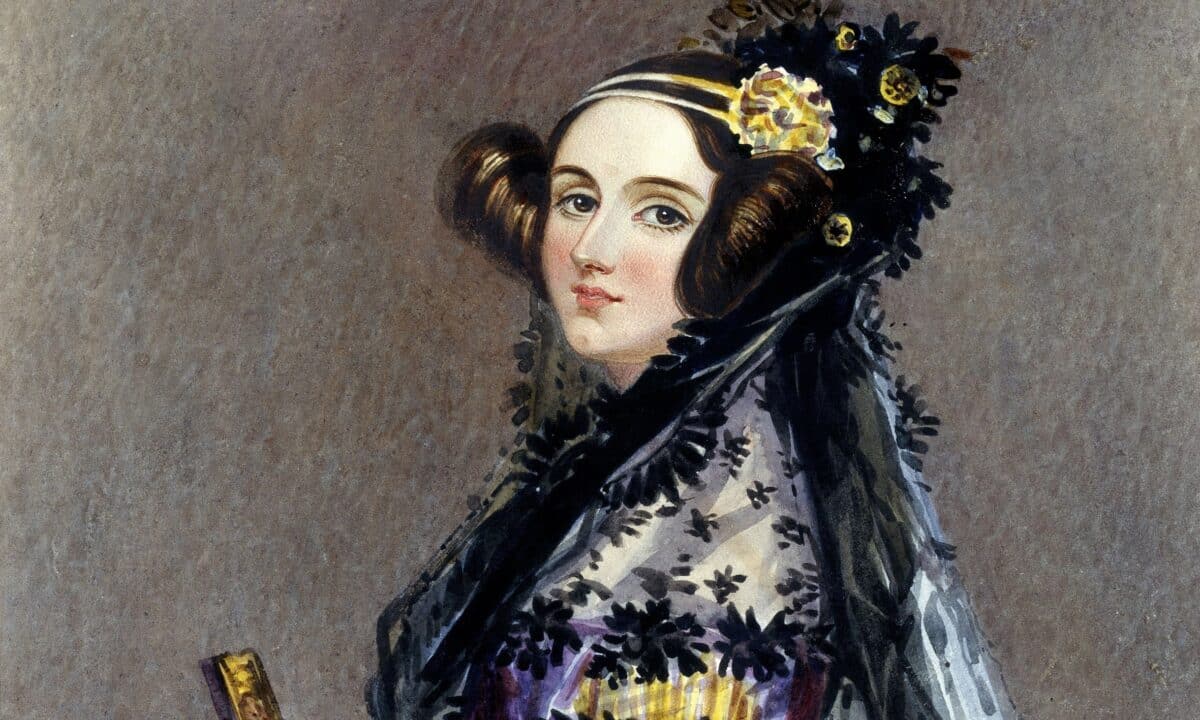
AdaLovelaceportrait Type post Author Andrew McDiarmid Date August 14, 2026 CategoriesComputational SciencesMathematics Tagged , Ada Lovelace, Analytical Engine, artificial intelligence, cancer, Charles Babbage, chatbots, Difference Engine, ELIZA, George Byron, imagination, Joseph Weizenbaum, Luigi Menabrea, mechanical computer, Mechanical Turk, MIT, poetry, technology, thinking machines Ada Lovelace: A Poetic Approach to Science Andrew McDiarmid August 14, 2026 Computational Sciences, Mathematics 8 Today, I want to share a few insights from another notable figure in the history of computing and artificial intelligence. Read More ›
PhalacrocoraxcarboEgrettagarzettaandMarecastreperain Type post Author Andrew McDiarmid Date January 21, 2026 CategoriesEvolutionIntelligent Design Tagged , Ada Lovelace, artificial inteligence, Conservation of Information, ID the Future, information, intelligence, Law of Conservation of Information, law of formation, Leon Brillouin, machines, mathematicians, nature, order, perpetual motion machines, philosophers, physical systems, reductionist biology, Second Law of Thermodynamics, William Dembski Why Intelligence Is Necessary to Explain Nature’s Functional Information Andrew McDiarmid January 21, 2026 Evolution, Intelligent Design 4 The law of conservation of information shows that intelligence is a necessary requirement for the complex functional information found in nature. Read More ›
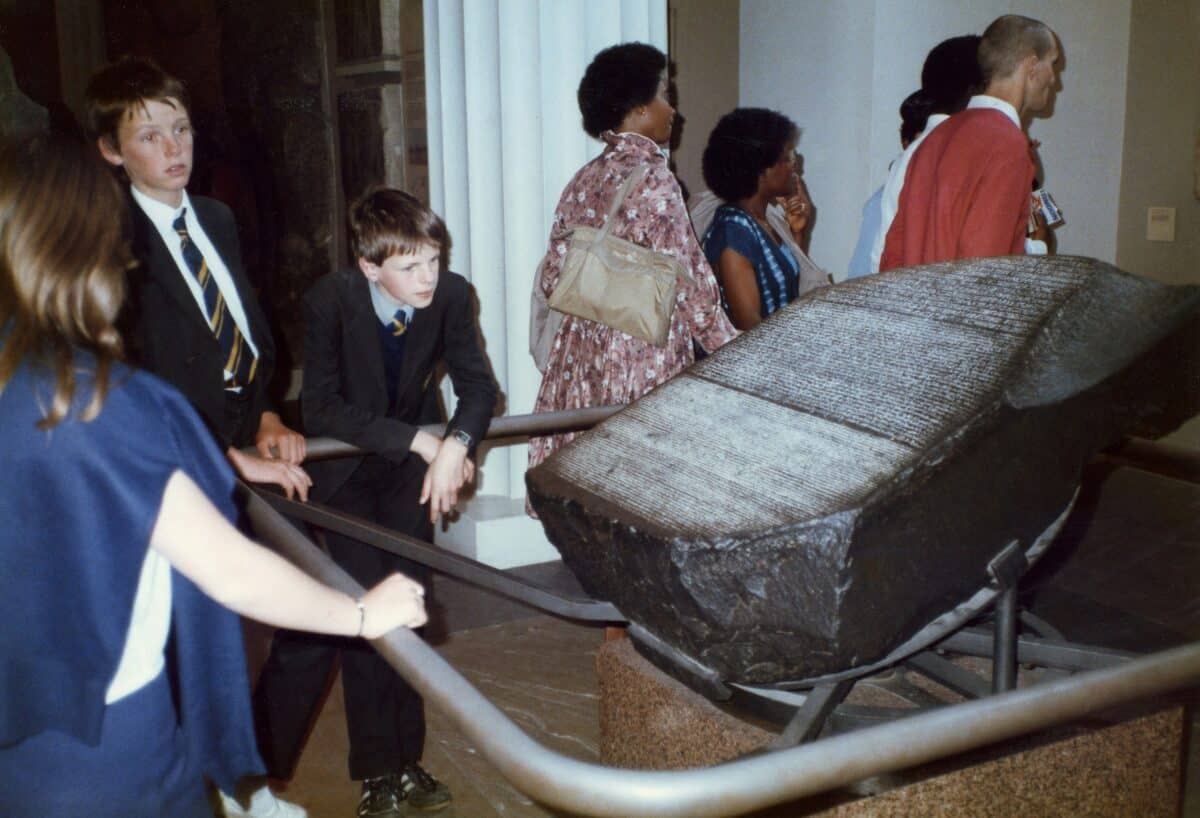
2560px-Rosetta-stone-display-in-1985 Type post Author William A. Dembski Date January 20, 2025 CategoriesHistory of ScienceIntelligent DesignPhysics Tagged , Ada Lovelace, BIO-Complexity, Charles Babbage, closed system, computer science, Conservation of Information, Edgar Allan Poe, Energy, entropy, information, intellectual history, large language models, Law of Conservation of Information, Leonard Susskind, Peter Medawar, Pierre-Simon Laplace, Robert J. Marks II, search Conservation of Information: The History of an Idea William A. Dembski January 20, 2025 History of Science, Intelligent Design, Physics 30 Conservation of information” is a term that appears in both the physics and the computer science literature. Read More ›
Parcheesi-board Type post Author Robert J. Marks II Date July 5, 2022 CategoriesIntelligent DesignNeuroscience & Mind Tagged , Ada Lovelace, artificial intelligence, bullies, chess, computer code, computer programs, creativity, games, Go (game), Lovelace test, Penn State, programmer, software, Turing test For AI to Be Creative, Here’s What It Would Take Robert J. Marks II July 5, 2022 Intelligent Design, Neuroscience & Mind 7 AI can appear smart when it generates a surprising result. But surprise does not equate to creativity. Read More ›
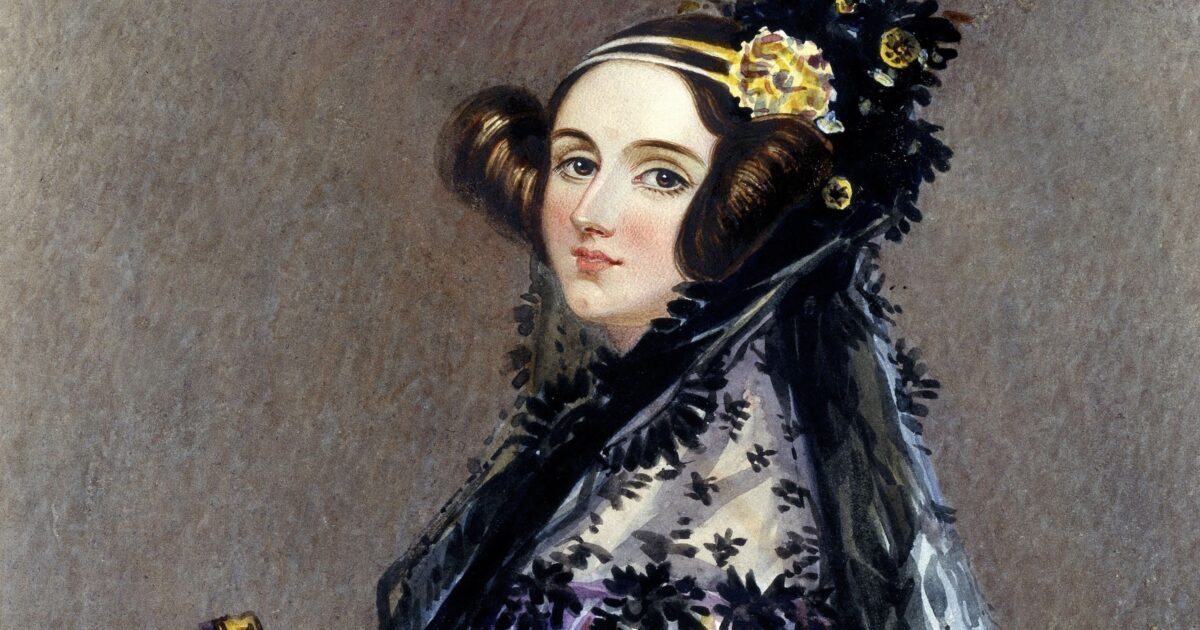
Ada Lovelace Type post Author Robert J. Marks II Date June 28, 2022 CategoriesIntelligent DesignNeuroscience & Mind Tagged , Ada Lovelace, Alan Turing, chatbot, computer science, computers, creativity, English, Eugene Goostman, Go (game), Lord Byron, machines, Non-Computable You, programmers, Selmer Bringsjord, software, The Imitation Game, Turing test Can Artificial Intelligence Be Creative? Robert J. Marks II June 28, 2022 Intelligent Design, Neuroscience & Mind 6 Lady Ada Lovelace (1815–1852), daughter of the poet George Gordon, Lord Byron, was the first computer programmer. Read More ›
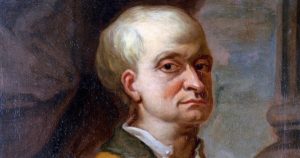
Sir Isaac Newton Type post Author Neil Thomas Date January 29, 2022 CategoriesBioethicsEvolutionGeology Tagged , Ada Lovelace, Charles Babbage, Charles Darwin and the Ghost of Epicurus (series), Charles Lyell, Darwinism, evolution, Great Britain, Isaac Newton, Lord Byron, mathematician, On the Origin of Species, uniformitarianism, Victorian England Darwin and the Newtonian Metanarrative Neil Thomas January 29, 2022 Bioethics, Evolution, Geology 5 People chose to believe what they wanted to believe in obedience to the then reigning intellectual fashion. Read More ›