

















cat-paws-with-claws-on-white-background-stockpack-adobe-stoc-250663393-stockpack-adobestock Type post Author Stephen J. Iacoboni Date November 17, 2025 CategoriesEngineeringIntelligent Design Tagged , Aristotelianism, Aristotle, artifacts, artwork, axes, biology, cats' claws, causality, chairs, conveyances, cups, DNA, dwellings, E.O. Wilson, emergence, enzymes, evolution, Evolution “On Purpose”, final causality, Francis Bacon, human artifacts, Immanuel Kant, intelligent design, Irreducible Complexity, Isaac Newton, Jacques Monod, Judeo-Christian tradition, Leonard Susskind, Life Itself, Ludwig Wittgenstein, machines, mechanics, Michael Behe, Neo-Darwinism, purpose, randomness-selection hypothesis, René Descartes, Robert Rosen, rockets, science of purpose, Sir Martin Rees, spoons, St. Thomas Aquinas, Stephen Hawking, structure-function relationship, telos, Theodosius Dobzhansky, tools, William Dembski, windmills What Is the Originating Source of Design in Organisms? Stephen J. Iacoboni November 17, 2025 Engineering, Intelligent Design 9 The genesis of structure-function relationships in human artifacts is as well understood as are their mechanics. Read More ›
abstract-image-representing-quantum-mechanics-and-the-myster-917689749-stockpack-adobestock Type post Author Denyse O’Leary Date September 15, 2025 CategoriesPhysicsScientific Freedom Tagged , Albert Einstein, conspiracy theory, Daniel Kagan Kans, Eric Weinstein, general relativity, governments, Johns Hopkins University, Leonard Susskind, physical world, physics, Piers Morgan, quantum mechanics, quantum physics, Rob Sheldon, Sabine Hossenfelder, Sean Carroll, string theory, taxpayers, theoretical physicists, tinfoil hat, Wall Street Journal, YouTubers “Conspiracy Physics”: Platforming an Attack on Dissenting Scientists Denyse O’Leary September 15, 2025 Physics, Scientific Freedom 7 If physicists now “worry about the consequences” of long-term theory failure, it is reasonable to think that there are more serious problems in the discipline. Read More ›
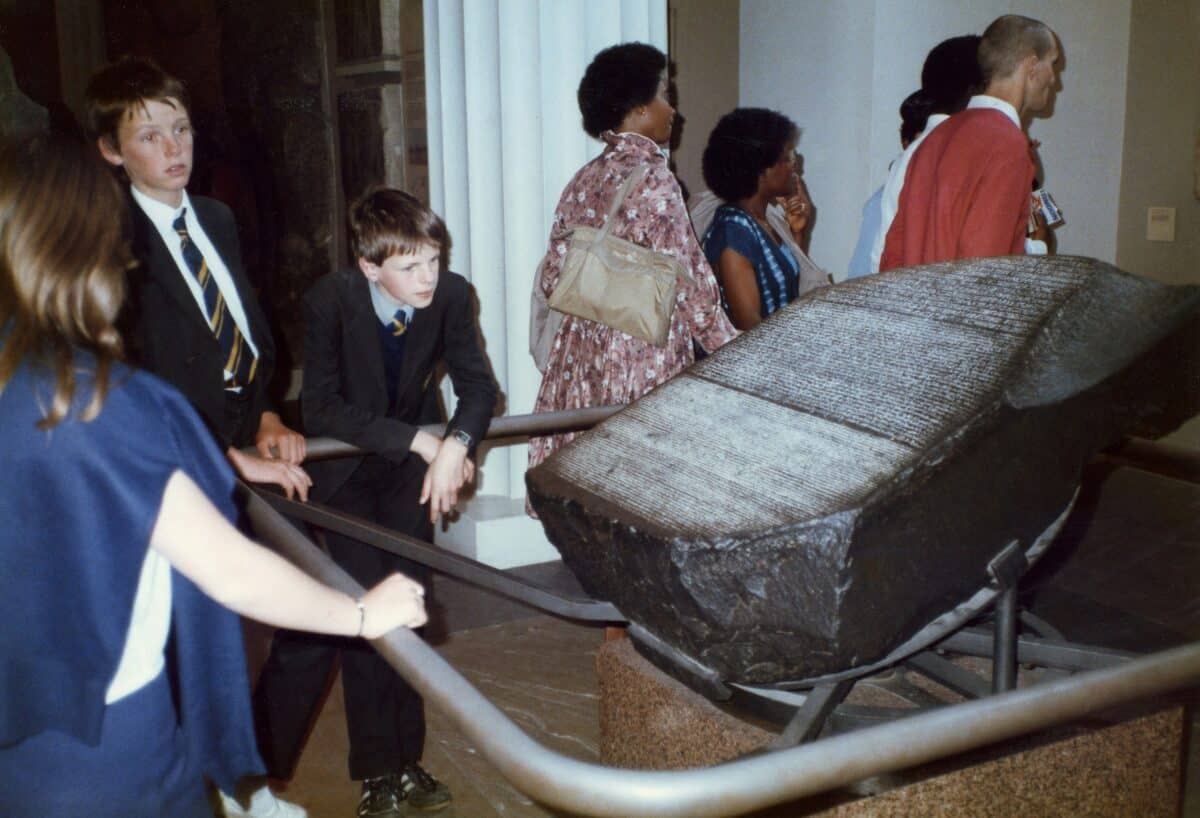
2560px-Rosetta-stone-display-in-1985 Type post Author William A. Dembski Date January 20, 2025 CategoriesHistory of ScienceIntelligent DesignPhysics Tagged , Ada Lovelace, BIO-Complexity, Charles Babbage, closed system, computer science, Conservation of Information, Edgar Allan Poe, Energy, entropy, information, intellectual history, large language models, Law of Conservation of Information, Leonard Susskind, Peter Medawar, Pierre-Simon Laplace, Robert J. Marks II, search Conservation of Information: The History of an Idea William A. Dembski January 20, 2025 History of Science, Intelligent Design, Physics 30 Conservation of information” is a term that appears in both the physics and the computer science literature. Read More ›
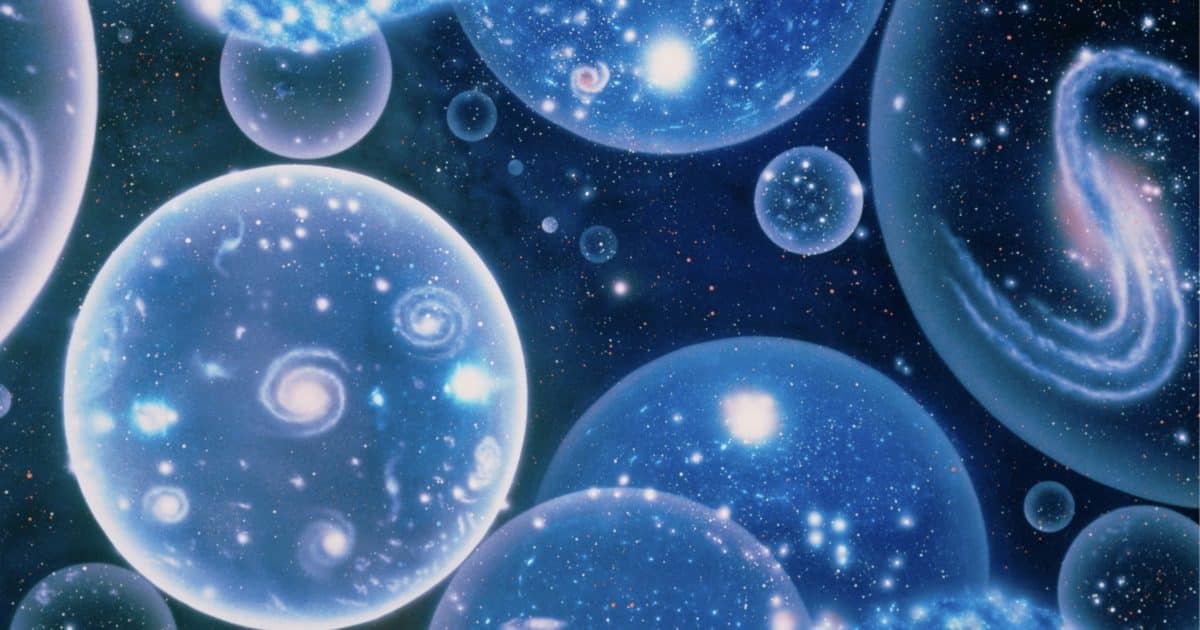
multiverse Type post Date October 2, 2022 CategoriesBioethicsCosmologyIntelligent DesignPhysical SciencesPhysics Tagged , Andrew McDiarmid, Epicurus, ID the Future, intelligent design, Leonard Susskind, Marvel Cinematic Universe, multiverse, popular culture, Return of the God Hypothesis, Stephen Meyer The Multiverse: From Epicurus to Comic Books and Beyond Science and Culture October 2, 2022 Bioethics, Cosmology, Intelligent Design, Physical Sciences, Physics 2 Discovery Institute Senior Fellow Andrew McDiarmid explores the roots of the idea that our universe is just one of many universes. Read More ›
multiverse Type post Author Stephen C. Meyer Date March 28, 2022 CategoriesCosmologyIntelligent DesignPhysical SciencesPhysics Tagged , cosmic fine-tuning, Fred Hoyle, functional specification, improbability, intelligent design, Lawrence Krauss, Leonard Susskind, multiverse, Paul Davies, probability, Return of the God Hypothesis, What Is the Evidence for Intelligent Design? (series) Anthropic Fine-Tuning as Evidence of Design Stephen C. Meyer March 28, 2022 Cosmology, Intelligent Design, Physical Sciences, Physics 6 The multiverse concept posits the existence of many other universes, each with different sets of physical parameters. Read More ›
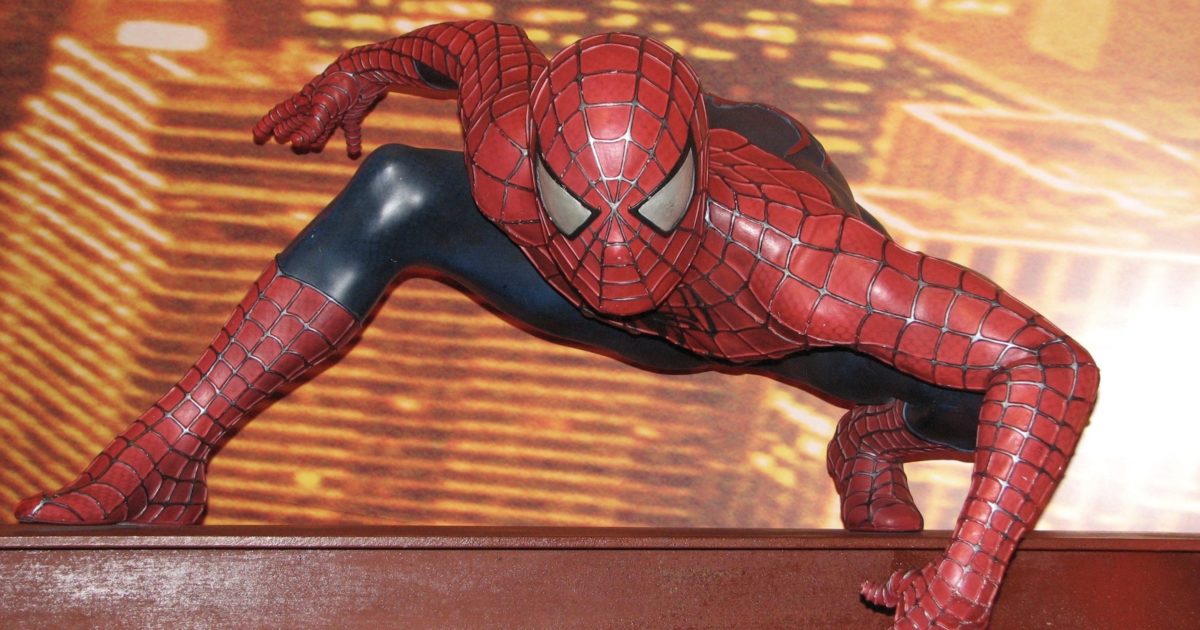
Spider-Man Type post Author Casey Luskin Date January 4, 2022 CategoriesBioethicsPhysical SciencesPhysics Tagged , atoms, Benedict Cumberbatch, Boltzmann brains, Brian Miller, Bruce Gordon, complex and specified information, cosmic fine-tuning, George Ellis, Joe Silk, Leonard Susskind, materialists, movies, multiverse, Nature (journal), New Scientist, Newspeak, Ockham’s razor, Paul Davies, proton, Return of the God Hypothesis, Sabine Hossenfelder, specified complexity, Spider-Man, Stephen Meyer, universe, William A. Dembski Spider-Man, the Multiverse, and Intelligent Design Casey Luskin January 4, 2022 Bioethics, Physical Sciences, Physics 18 In the new Spider-Man movie, the multiverse not only makes an appearance but plays a crucial role in the plot. Read More ›