






































Science and Culture Today Discovering Design in Nature
Category

Neuroscience & Mind

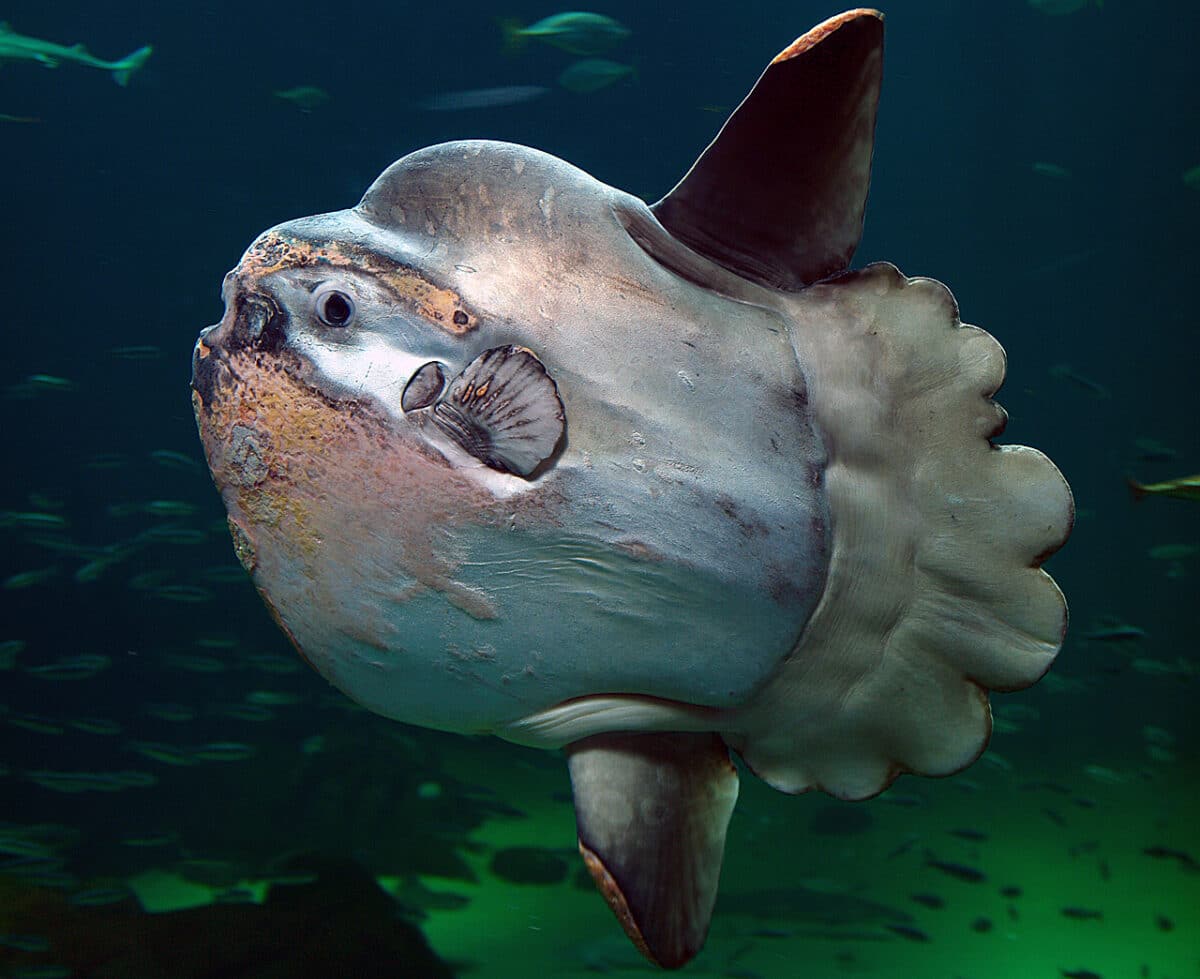
Sunfish2
Photo: Sunfish, by Per-Ola Norman, Public domain, via Wikimedia Commons.

When Orcas Play — With a Dead Sunfish

While the orcas’ sunfish-exploding behavior is remarkable, it is consistent, after all, with their reputation as the “wolves of the sea.” Read More ›
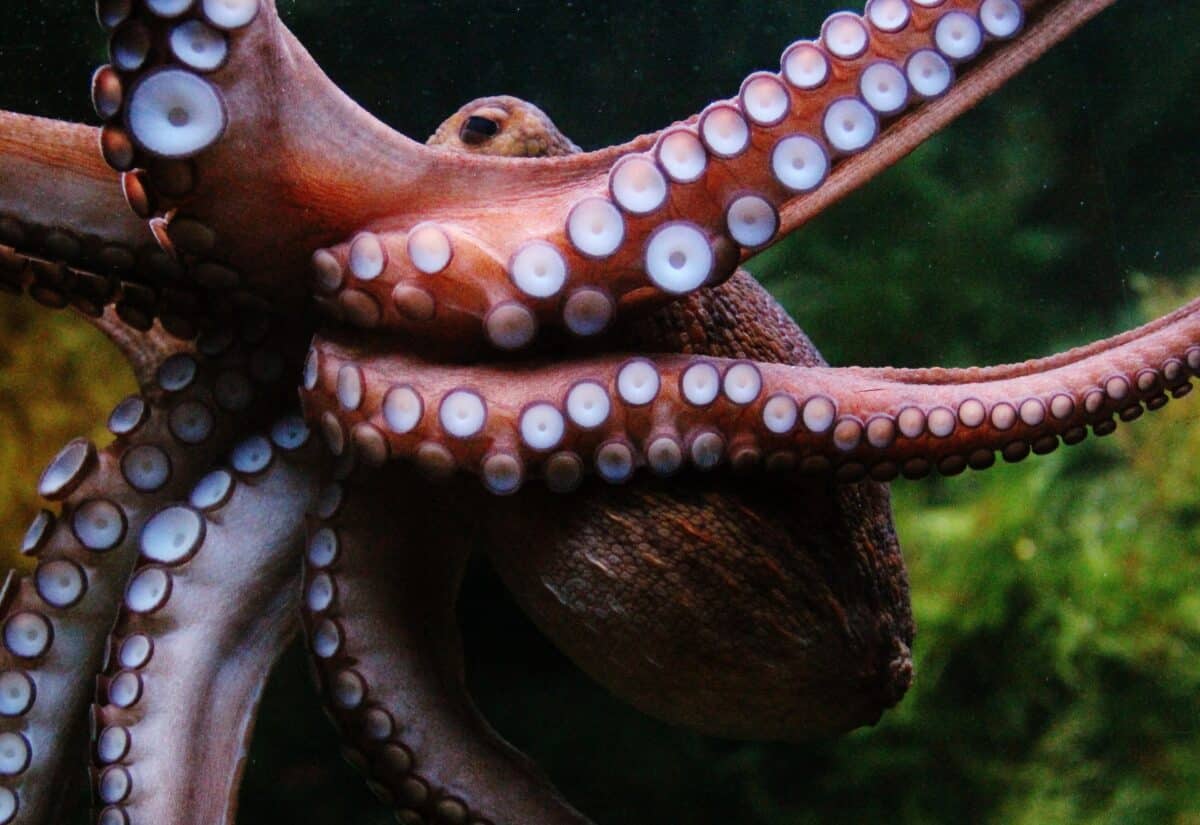
Octopustentacles
Photo credit: damn_unique, CC BY-SA 2.0 <https://creativecommons.org/licenses/by-sa/2.0>, via Wikimedia Commons.

Hey Octopus, How Did You Get to Be So Smart?

With the asocial brain hypothesis, researchers ask us to think beyond traditional explanations for why some animals display unexpected intelligence. Read More ›
LePenseurintheJardinduMuseeRodinParisAugust2013
Photo: The Thinker, by Shadowgate from Novara, ITALY, CC BY 2.0 <https://creativecommons.org/licenses/by/2.0>, via Wikimedia Commons.

Can You Trust Your Thoughts? The Argument from Reason and Its Implications for Darwinism
If human thoughts are merely the result of blind physical processes, then there is no logical basis for trusting our own minds. Read More ›
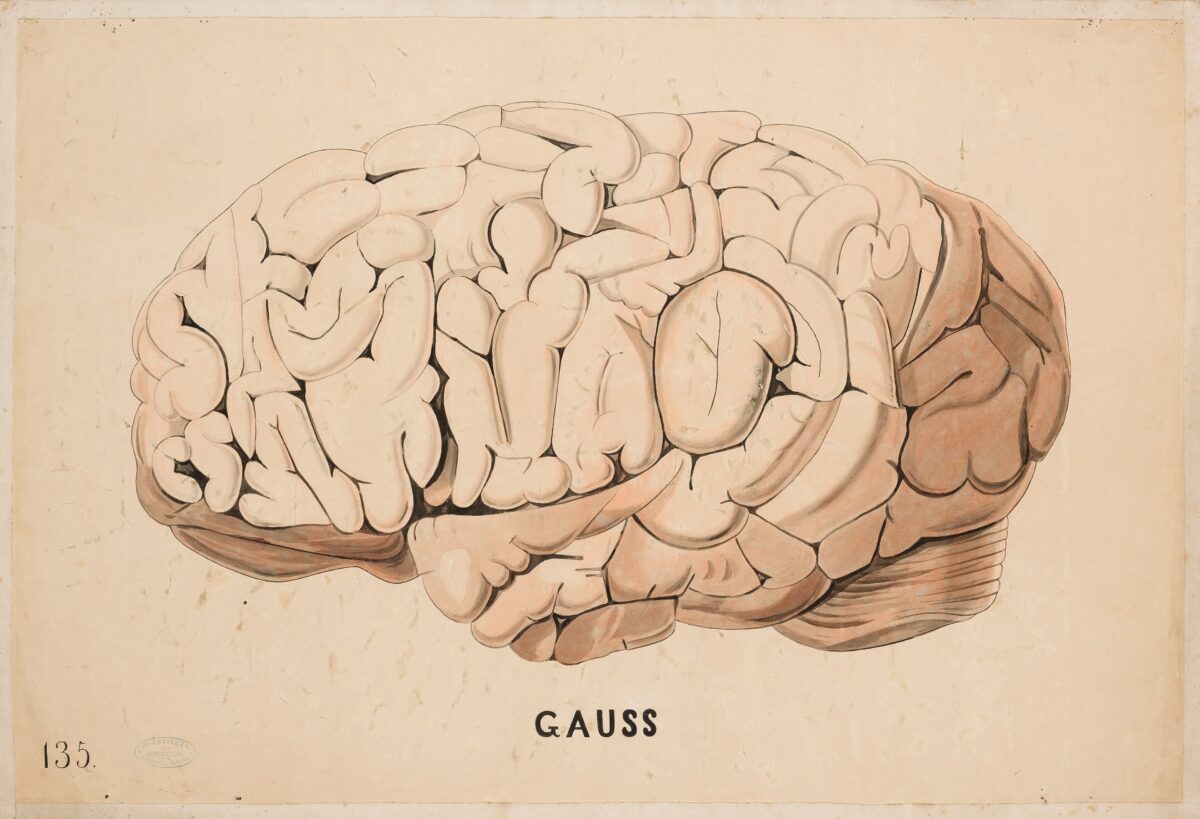
MACTAV0028aTavolaparietaleGauss
Image source: Museo di Anatomia comparata Giovanni Battista Grassi, Public domain, via Wikimedia Commons.

Science Journal: Humanity’s Big Brains Evolved “For No Particular Reason”
This is tantamount to saying the human brain, chief marvel in the cosmos as far as we can tell, evolved because, well, why the heck not? Read More ›
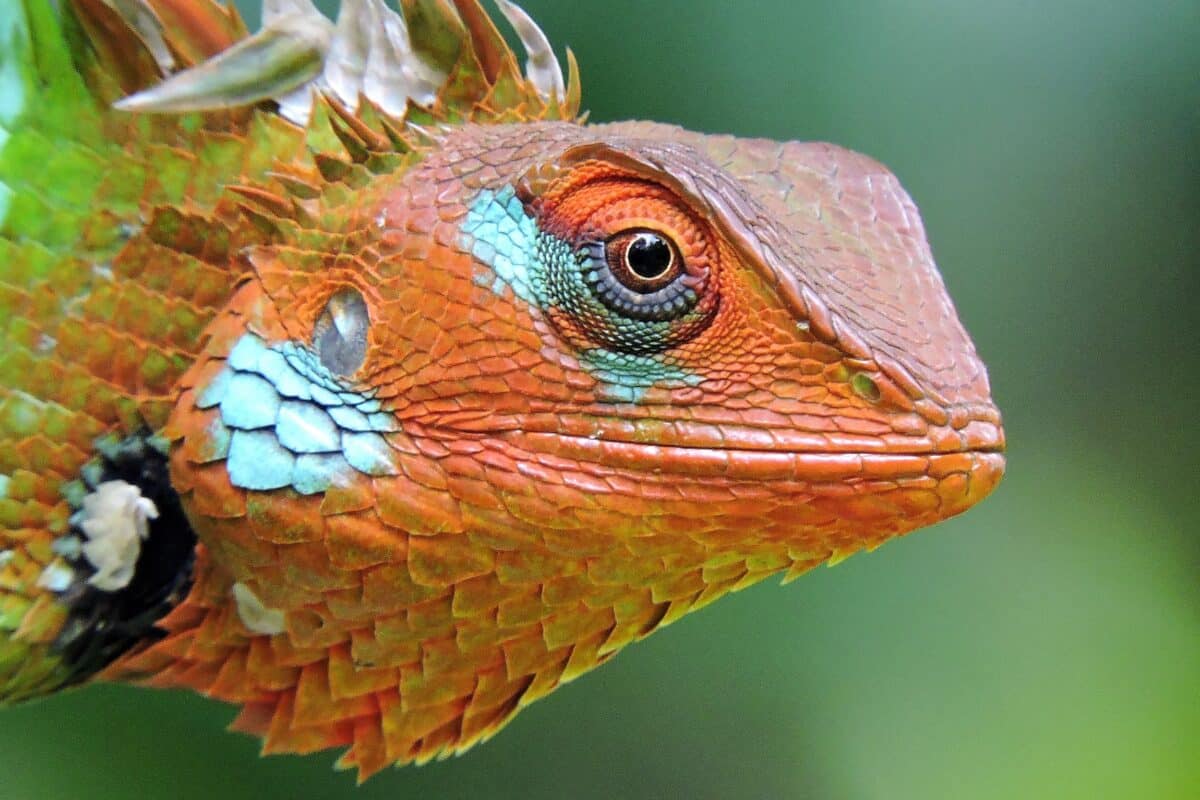
ThelizardofLizard
Photo credit: BGK Gayashan, CC BY-SA 4.0 <https://creativecommons.org/licenses/by-sa/4.0>, via Wikimedia Commons.

McGill University Refutes Pop-Psychology Claim that Humans Have a “Lizard Brain”
The false belief traces back to the fact that Carl Sagan was one of its strongest proponents. Read More ›
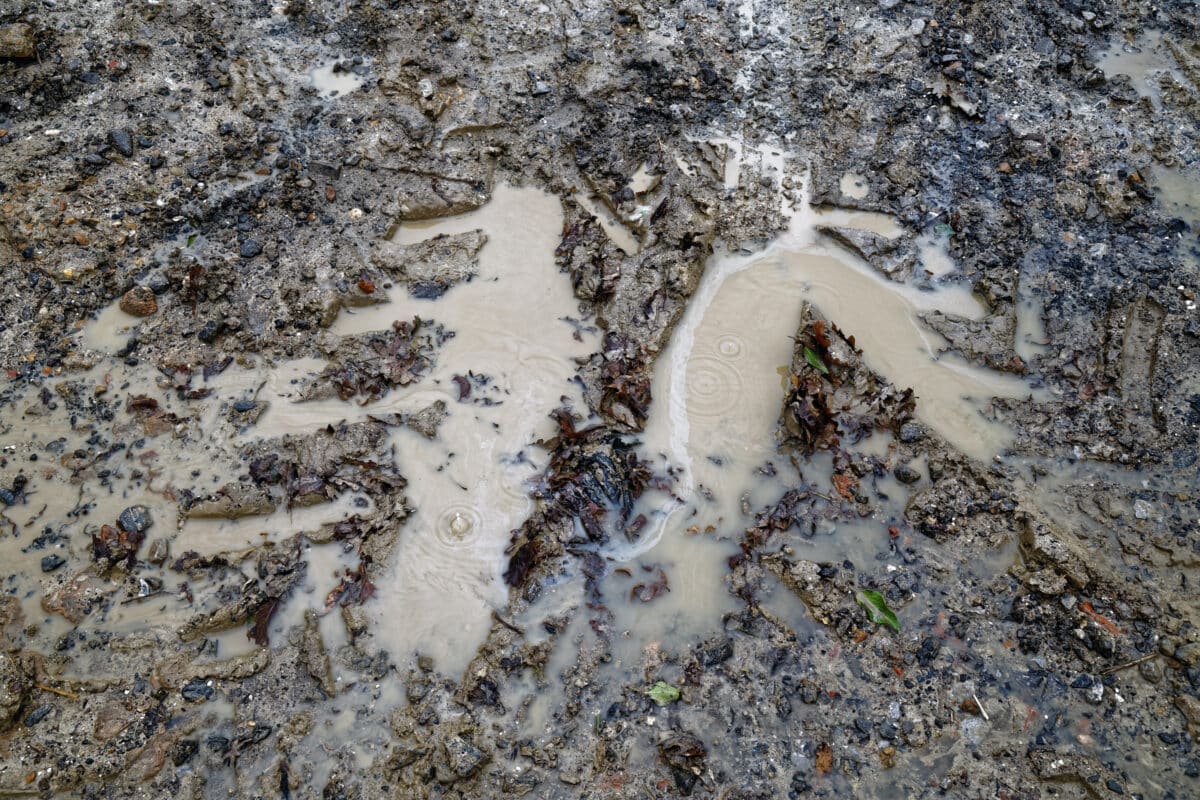
MudpuddleoffSedgwickLaneNuthurstWestSussex
Photo credit: Acabashi, CC BY-SA 4.0 <https://creativecommons.org/licenses/by-sa/4.0>, via Wikimedia Commons.

Human Consciousness, from Mud to Mind?
If human language — which is unlike any other communication in nature — evolved from something, we simply have no idea what that something is.  Read More ›
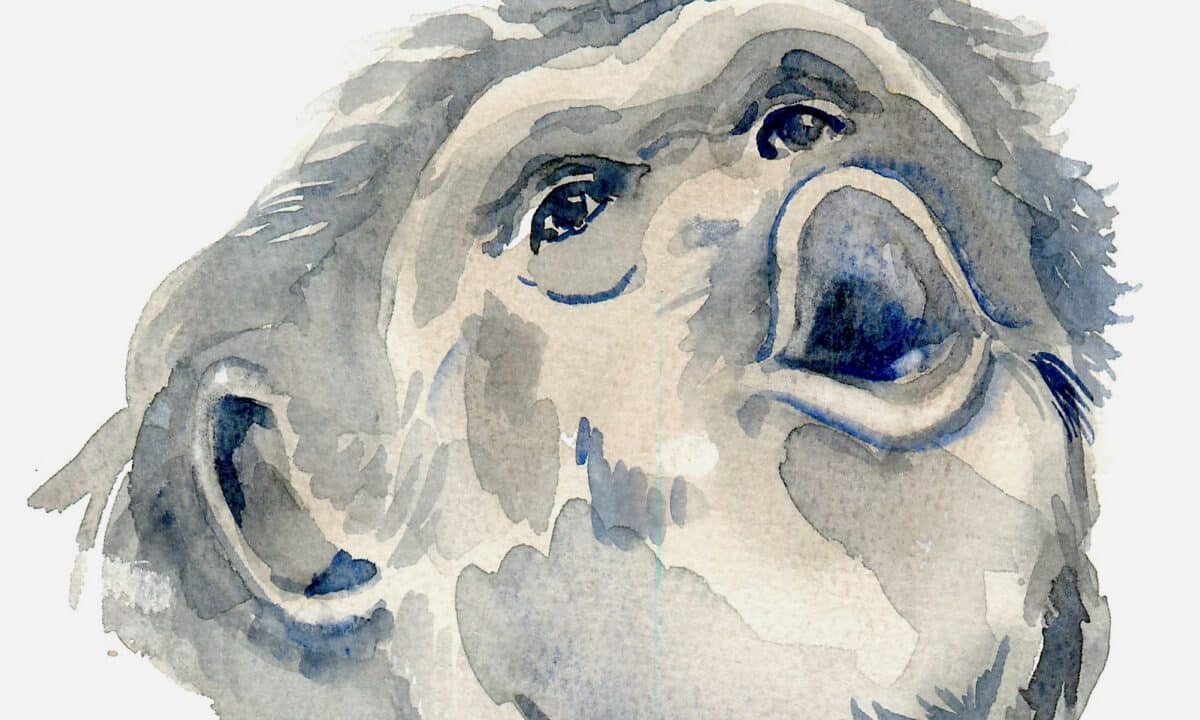
ChimpanzeeHooting
Image: Watercolor, by TecumsehFitch, CC BY-SA 4.0 <https://creativecommons.org/licenses/by-sa/4.0>, via Wikimedia Commons.

Speech, Laughter, and Intelligent Design
A widely publicized thesis around ape and human laughter falls so woefully short that it forces an evaluation of other possibilities. Read More ›
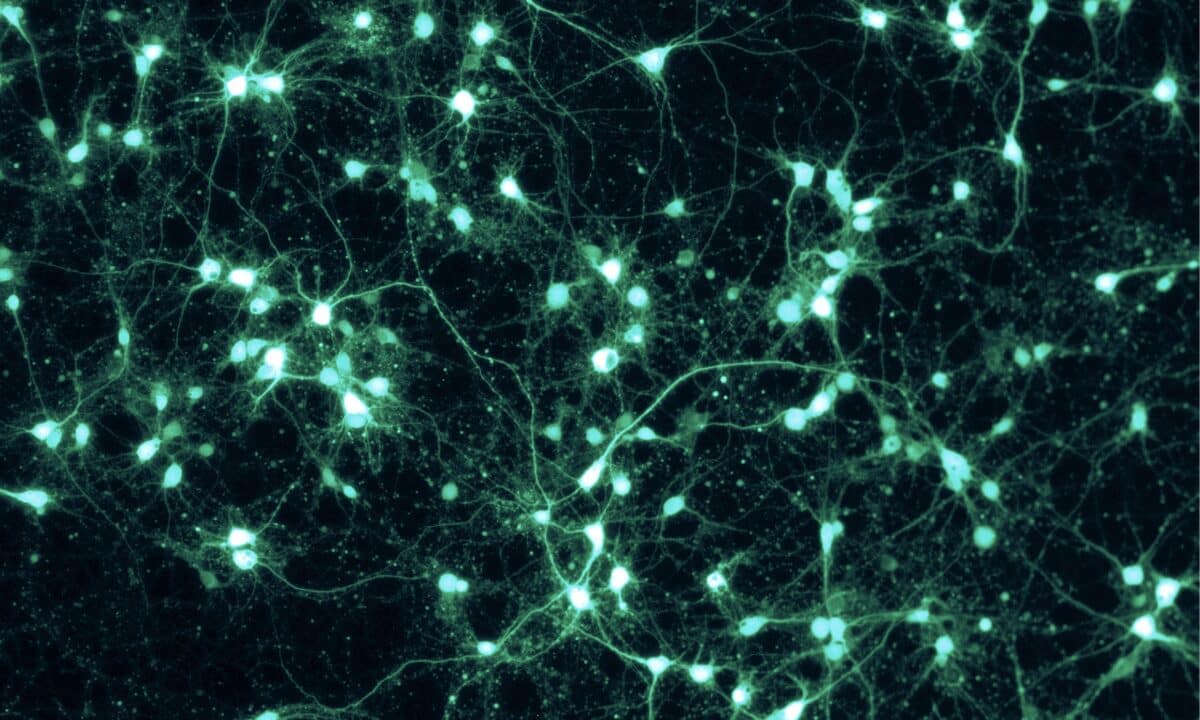
neurons
Photo credit: ManuelSchottdorf, CC BY-SA 4.0 <https://creativecommons.org/licenses/by-sa/4.0>, via Wikimedia Commons..

Got Any Theories of Consciousness? Sure, About 325 of Them
Consciousness research may be a degenerating paradigm. Philosopher Imre Lakatos used the term to refer to a situation where science is not progressing. Read More ›
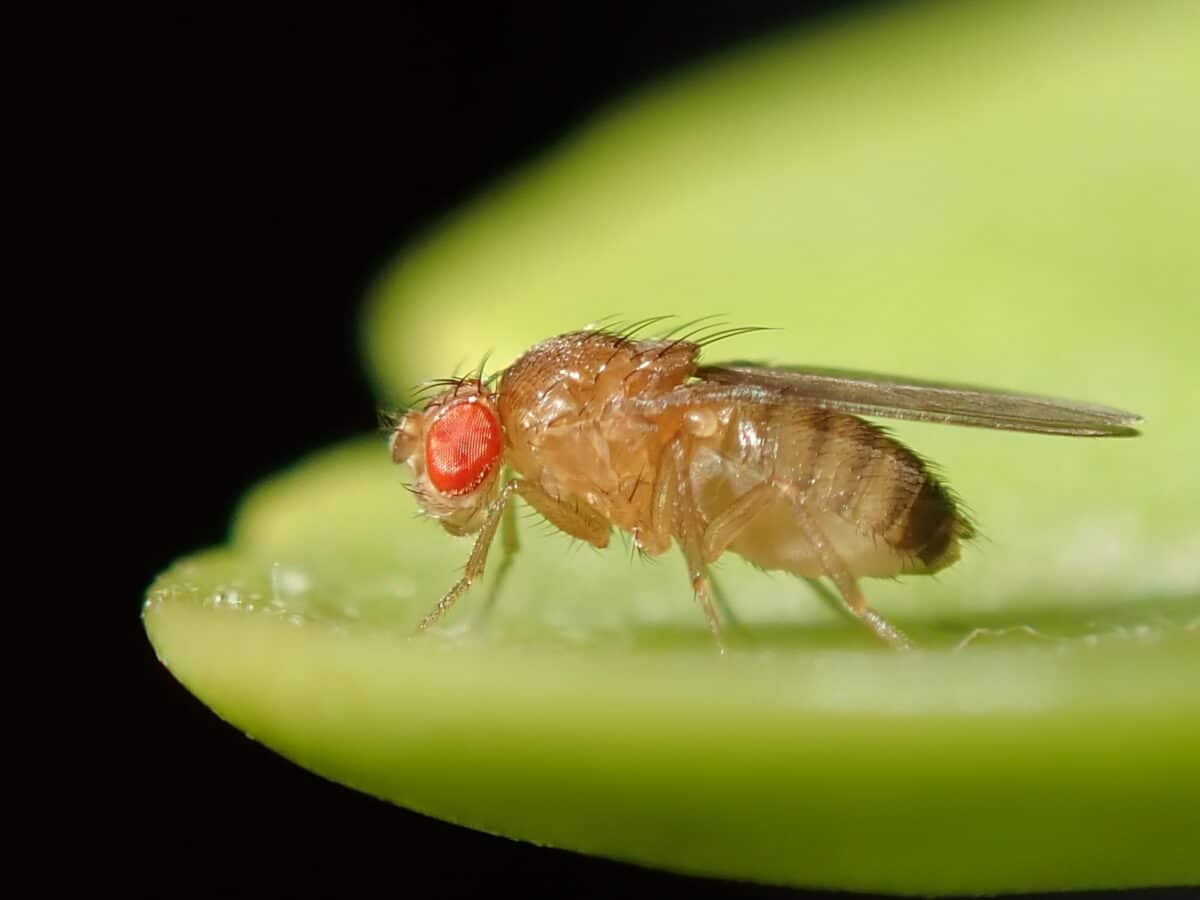
Drosophilamelanogaster53362116
Photo credit: Alexis, CC BY 4.0 <https://creativecommons.org/licenses/by/4.0>, via Wikimedia Commons.

Morality Is Unintelligible Without Free Will: A Reply to Jerry Coyne
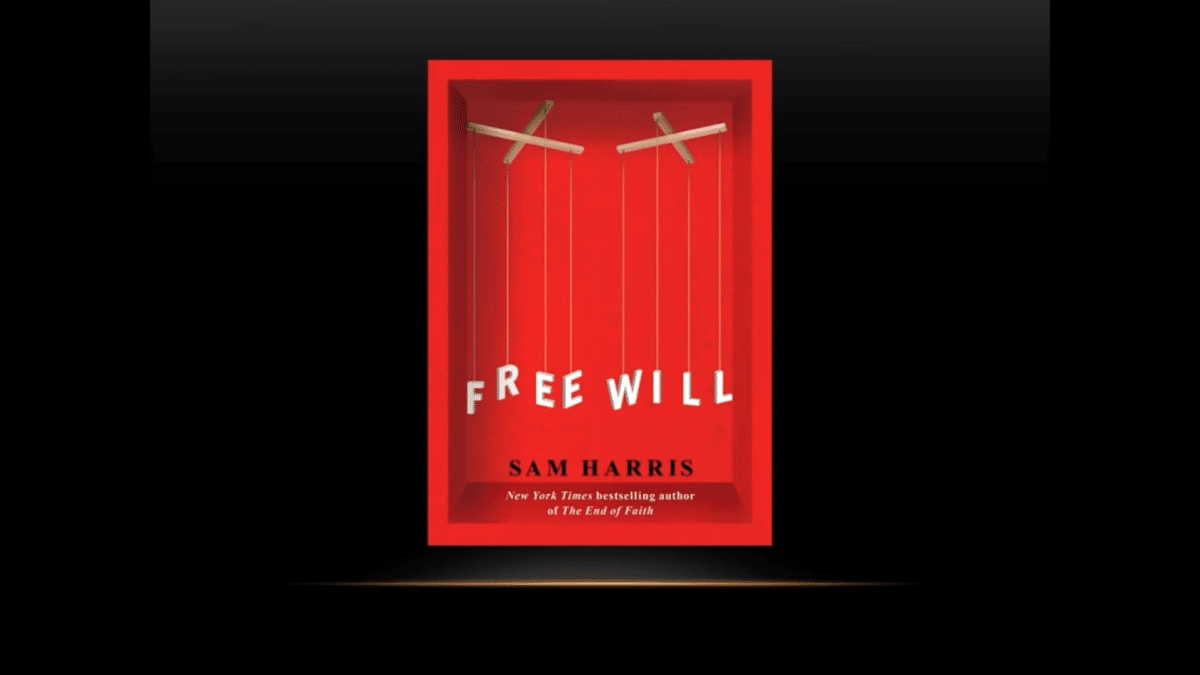
A moral society is something entirely different from a well-run pigeon farm or a flourishing bottle of fruit flies. Read More ›
Screenshot-2026-06-18-at-122352PM-2
Photo source: Michael Egnor / Discovery Institute, via YouTube (screenshot).

Michael Egnor: Three Atheist Scientists Walk into a Book

In the absence of free will, “morality” can make no claims about anything. It's only an illusion projected by the meatware of our brains. Read More ›

© Discovery Institute