








































Science and Culture Today Discovering Design in Nature
Author

Jonathan McLatchie

Plasmodium falciparum
Photo: Plasmodium falciparum, by Dr Graham Beards, CC BY-SA 4.0 <https://creativecommons.org/licenses/by-sa/4.0>, via Wikimedia Commons.

Answering Farina on Behe’s Work: The Edge of Evolution

I wonder whether Farina has in fact read Behe’s book for himself, or whether he is relying upon others, such as Nathan Lents. Read More ›
flagellum
irreducible complexity
Image: Bacterial flagellar motor, from Unlocking the Mystery of Life, Illustra Media.

Answering Farina on Behe’s Work: Bacterial Flagella

The video complains about Behe’s “usage of terminology pertaining to machinery.” Is Farina going to charge the entire flagella community with dishonesty? Read More ›
Lenski’s terrific LTEE
distinctions
Photo: Richard Lenski’s LTEE, by Brian Baer and Neerja Hajela [CC BY-SA 1.0], via Wikimedia Commons.

Answering Farina on Behe’s Work: Irreducible Complexity
The first exhibit is Lenski’s long-term evolution experiment, in which, after some 33,000 generations, bacterial cells evolved the ability to grow on citrate. Read More ›
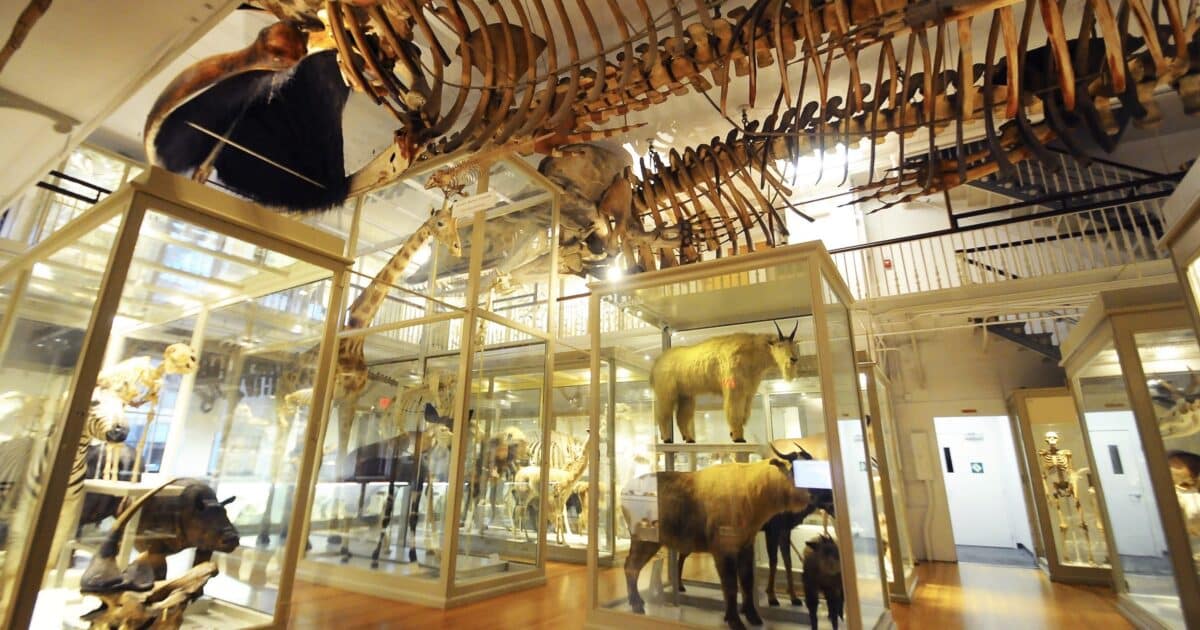
Harvard Museum of Natural History
Photo: Harvard Museum of Natural History, by Massachusetts Office Of Travel & Tourism, via Flickr (cropped).

Let’s Help Harvard Understand Intelligent Design

It was disappointing to see the inaccurate representation of ID, along with the poor scientific epistemology. Read More ›
masks
Photo credit: Mika Baumeister via Unsplash.

The Molecular Biology of Coronaviruses — Livestream Presentation Thursday
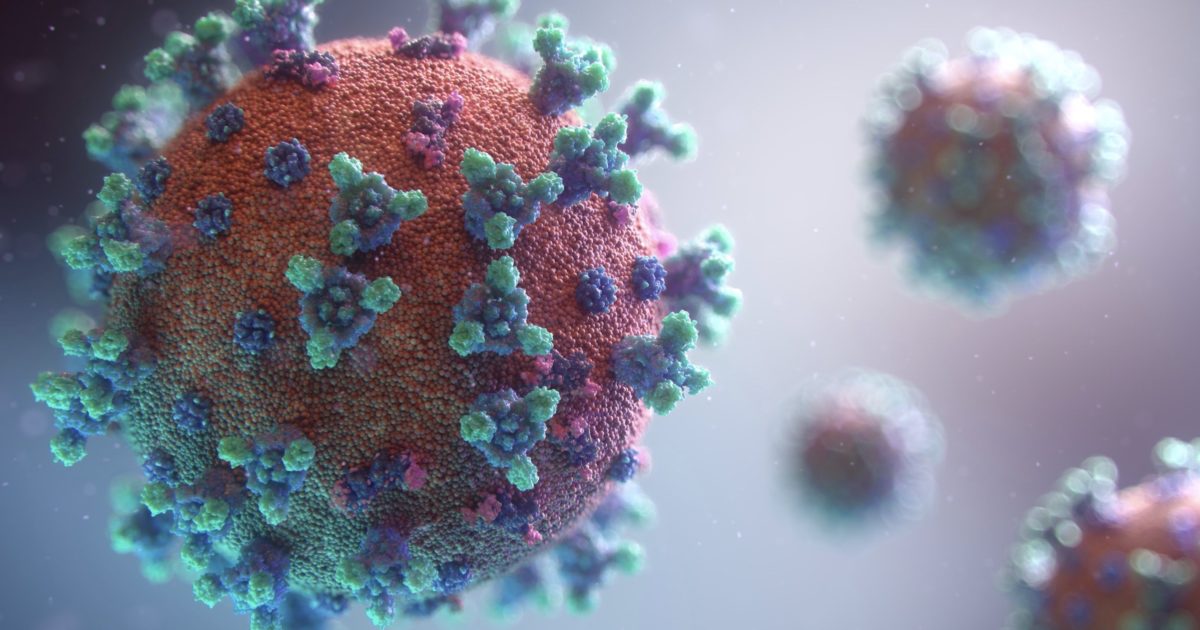
I will discuss the distinctive aspects of coronaviruses specifically, and review the outbreaks that have been caused by this family of viruses. Read More ›
coronavirus
coronavirus
Image credit: Fusion Medical Animation, via Unsplash.

Design in Virology? Webinars to Examine COVID-19
The United Kingdom's Centre for Intelligent Design will host a series of YouTube livestreams, beginning this Friday, July 17. Read More ›
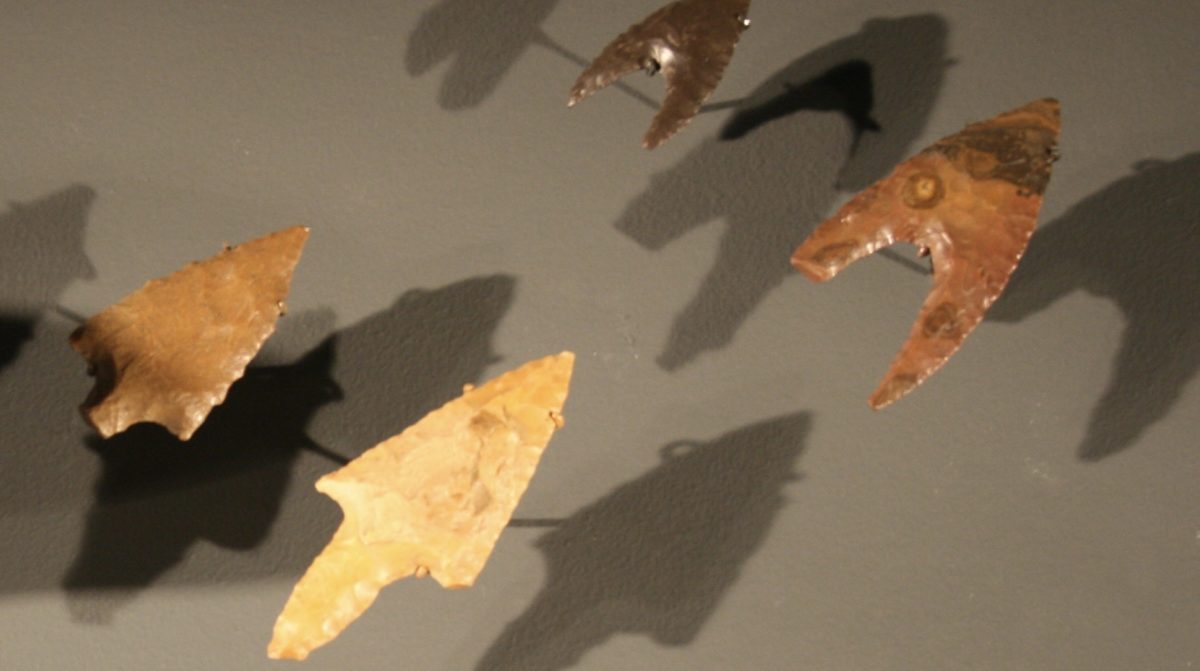
Al Fayum arrowheads.png
Photo: Prehistoric arrowheads, by Gary Todd / CC0.

The Advantages of a Bayesian Approach to ID

Lydia McGrew gives the analogy that there is always a possibility that prehistoric civilizations did not have the ability or desire to make arrowheads. Read More ›
Mega Millions
Mega Millions
Photo: Mega Millions billboard, by Tony Webster from Minneapolis, Minnesota, United States / CC BY (https://creativecommons.org/licenses/by/2.0).

Applying Bayes’ Theorem to Biological Design

Suppose we want to know the odds that a particular individual won last week’s Mega Millions jackpot in the United States. Read More ›
Bayes'-Theorem
Photo: Bayes' Theorem, by mattbuck (category) / CC BY-SA (https://creativecommons.org/licenses/by-sa/2.0).

A Bayesian Approach to Intelligent Design

I have come to think of evidence in Bayesian terms and this has in turn impacted the way I think about the biological arguments for ID. Read More ›
Michael Behe
Photo: Michael Behe, a scene from Revolutionary: Michael Behe and the Mystery of Molecular Machines.

Muller Two-Step Model: A Refutation of Behe on Irreducible Complexity?

Our responses to the Muller two-step have been around for a long time; it would be nice if ID critics would recognize and perhaps answer them. Read More ›

© Discovery Institute