







































Science and Culture Today Discovering Design in Nature
Topic

language

5536db93-8c26-4657-bddd-75db11b50a061536x1024
Image credit: Bill Dembksi on Substack.

Requiem for an Artificial Superintelligence

On the morning of his upload, he signed transfer papers, redundancy protocols, continuity covenants, and one handwritten page that no lawyer saw. Read More ›
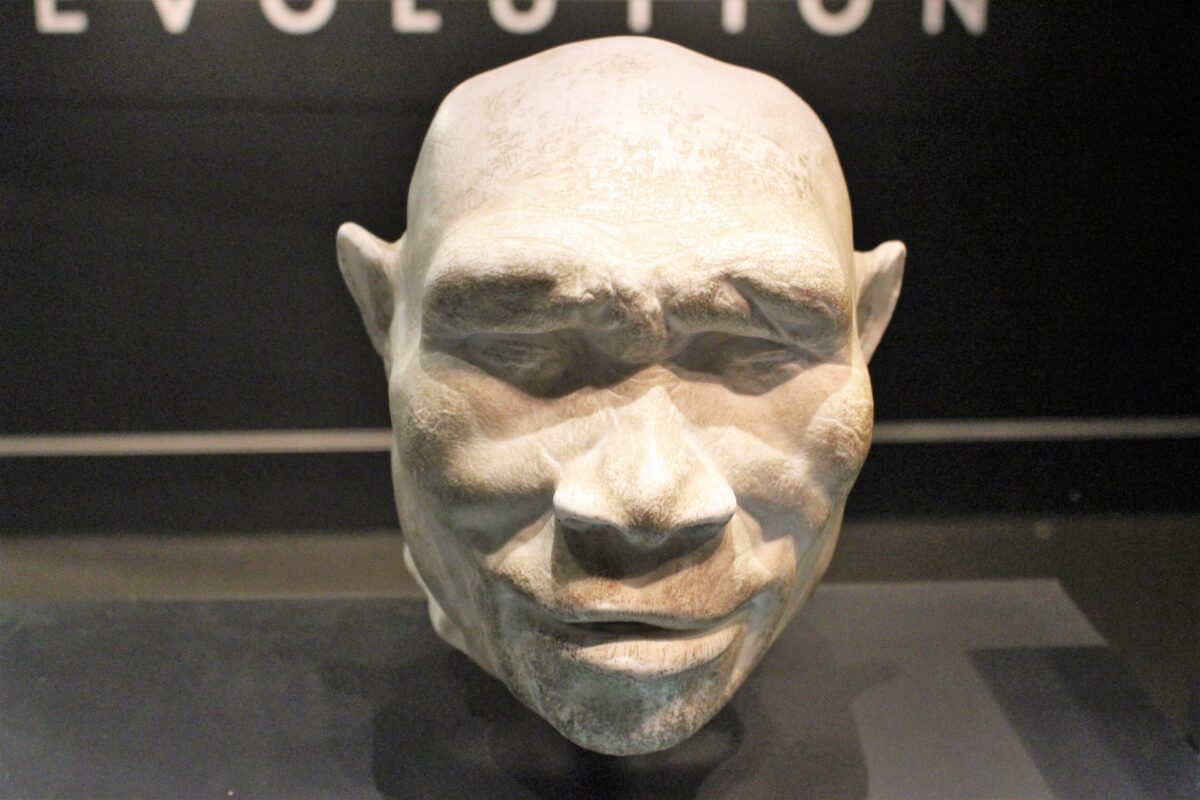
Em-Homoerectusmodel-1
Photo: Homo erectus, by Emőke Dénes, CC BY-SA 4.0 <https://creativecommons.org/licenses/by-sa/4.0>, via Wikimedia Commons.

Gulf Between Ape-Like and Human Grows Wider
This trend supports the traditional view that humans were uniquely designed rather than evolving willy-nilly from ape-like ancestors. Read More ›
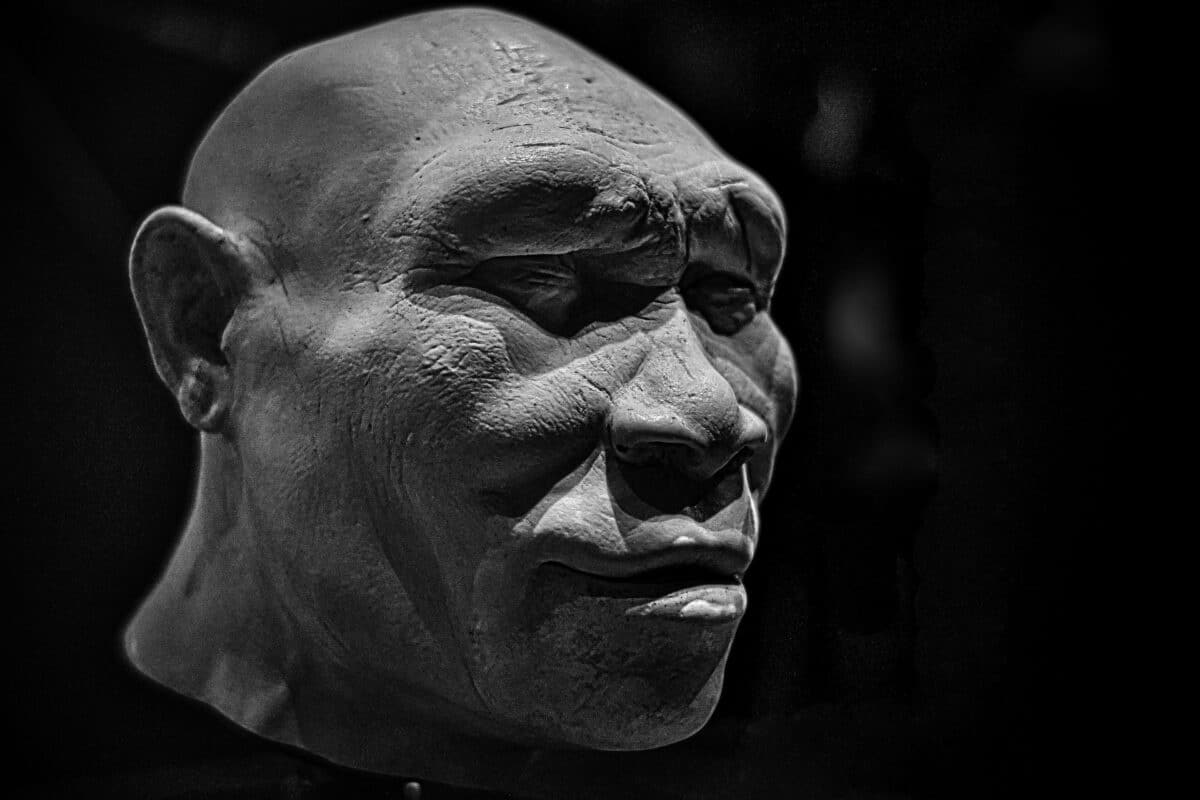
HomoerectusreconstructionNaturalHistoryMuseumLondon
Phot credti: Werner Ustorf], CC BY-SA 2.0 <https://creativecommons.org/licenses/by-sa/2.0>, via Wikimedia Commons.

Paper Defends Spoken Language in Homo erectus

The first thing that comes to mind in the context of intellectual capabilities is brain size. Read More ›
AdeliePenguinsoniceberg
Photo credit: Jason Auch, CC BY 2.0 <https://creativecommons.org/licenses/by/2.0>, via Wikimedia Commons.

How Life Becomes Comprehensible: A New Scientific Framework

The duality of emergence and specified irreducible complexity must be discarded. In doing so, we create a framework compatible with Thomistic Aristotelianism. Read More ›
digital-illustration-of-a-dna-stockpack-adobe-stock-32859465-stockpack-adobestock
Digital illustration of a dna
Image Credit: adimas - Adobe Stock

In Search of a Unified Theory of Life
It can be said that Erwin Schrödinger anticipated what Michael Behe formally articulated as irreducible complexity. Read More ›
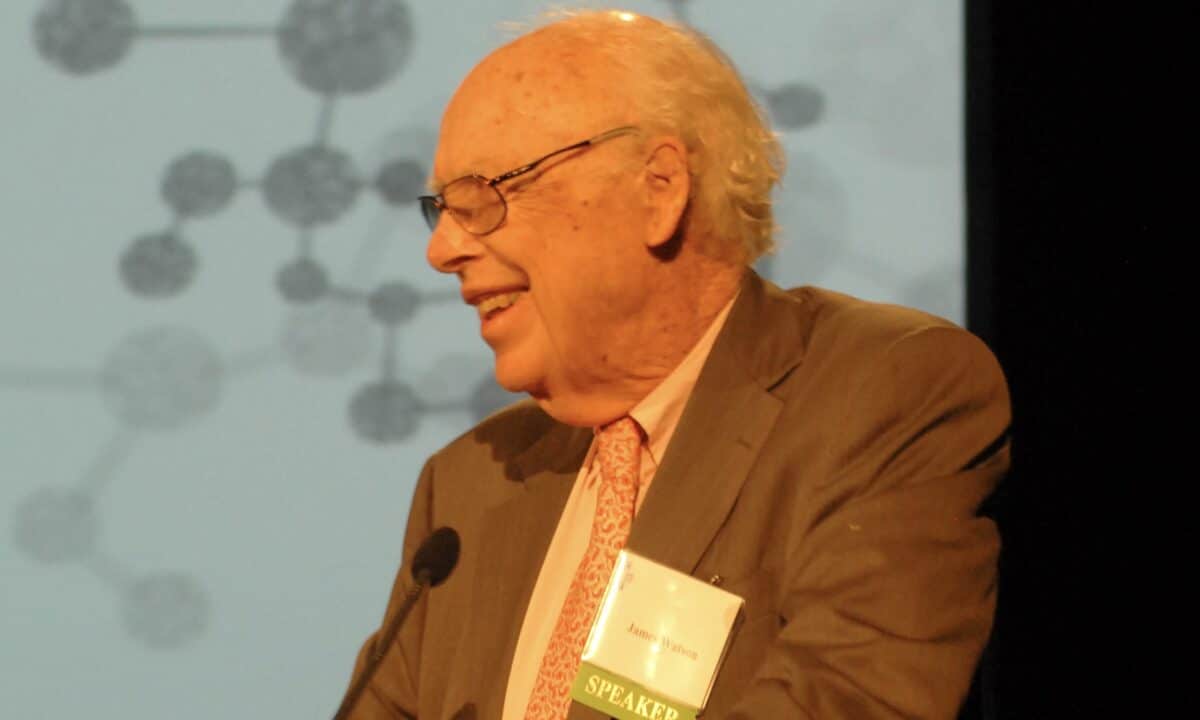
JamesWatson2012TTChaoSymposium
Photo credit: Science History Institute, CC BY-SA 3.0 <https://creativecommons.org/licenses/by-sa/3.0>, via Wikimedia Commons.

For Good or Evil: The Contradictory Legacy of James D. Watson

Let’s hope that whoever writes the future history of science will, like the bidder for that Nobel medal, be merciful to him. Read More ›
the-interior-of-ancient-buildings-in-the-qin-and-han-dynasti-432809584-stockpack-adobestock
The interior of ancient buildings in the Qin and Han dynasties of China
Image Credit: gui yong nian - Adobe Stock

John Searle (1932–2025): A Titan Passes
Searle’s most famous argument is undoubtedly the Chinese Room argument, first presented in his essay “Minds, Brains, and Programs” (1980). Read More ›
study-of-quantum-energy-physics-model-of-molecules-and-nucle-315931249-stockpack-adobestock
Study of quantum energy physics model of molecules and nuclear energy 3d rendering
Image Credit: catalin - Adobe Stock.

For Criticizing Her Field, Physicist Sabine Hossenfelder Gets Canceled by Her Institution

Her parting words: “A lot of research [in] the foundations of physics is now pseudocience. It hasn't followed the scientific method for decades.” Read More ›
a-pile-of-research-journals-and-books-on-a-desk-with-sticky-
Image credit: Vilaysack - Adobe Stock.

Oh, Brother: Now It’s Bringing “Equity” to Scientific Citations

Some want “papers to include the proportions of citations in terms of the gender and race or ethnicity of the referenced authors.” Read More ›
image
Image credit: Reda - Adobe Stock.

Missing Brains and the “Music Model” of Consciousness

Gazzaniga and Queenan’s new model accounts for missing brain parts but it leaves out the very thing that creates the music. Read More ›

© Discovery Institute