Science and Culture Today Discovering Design in Nature
Topic

Scientific Reports

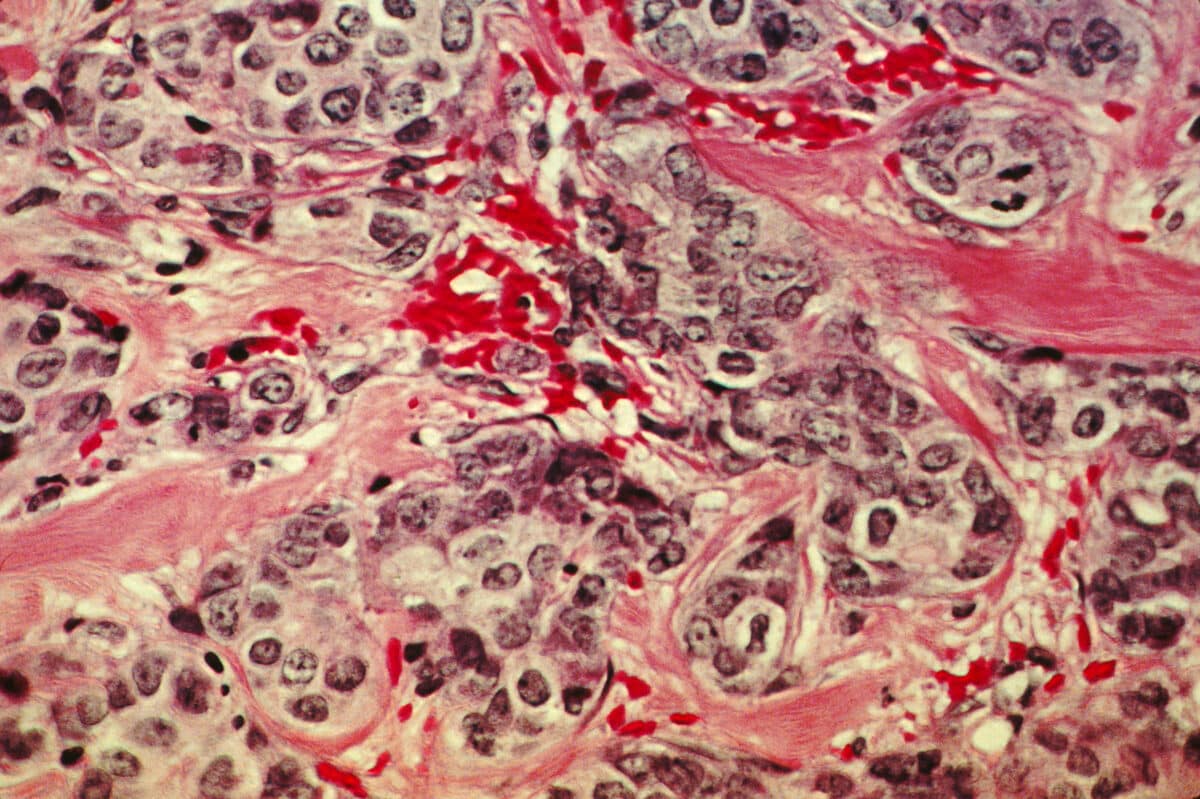
Breastcancercells2
Photo: Breast cancer, by Dr. Cecil Fox (Photographer), Public domain, via Wikimedia Commons.

Discovery Institute-Funded Paper in Scientific Reports Applies an ID-Inspired Approach to Cancer

Humans have bioengineered many drugs to fight cancer. We’ve all seen this: Many cancer drugs may work but they often have devastating side effects. Read More ›
La_pirogue_a_balancier
Photo credit: Brigitte Bourger Brigitte Bourger, CC BY-SA 4.0 <https://creativecommons.org/licenses/by-sa/4.0>, via Wikimedia Commons.

Study: Geological Habitability Parameters Imply Earth is Special and Advanced Life Extremely Rare

One thing that is likely to get some pushback is the study’s claim that modern-style plate tectonics on Earth did not commence until the Neoproterozoic. Read More ›
RNA
Image: RNA, via Illustra Media’s documentary Origin.

Origin of the First Self-Replicating Molecules

For some theorists, the origin of life is defined as the natural origin of a self-replicating system capable of undergoing Darwinian evolution. Read More ›
friends and a dog
Photo credit: Chewy via Unsplash.

Study: Dogs Cry for Joy as Well as Pain
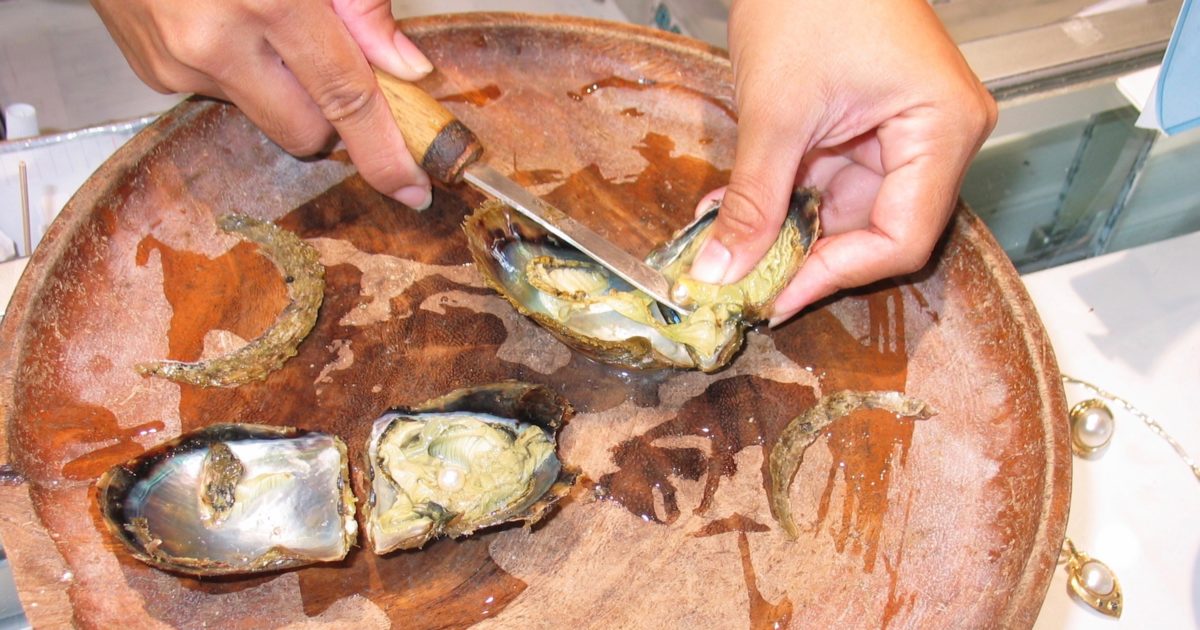
That shouldn’t really be too surprising because the fact that humans and dogs can share emotions is part of what forms bonds between us. Read More ›
Pearl Oysters
Photo credit: Keith Pomakis, CC BY-SA 2.5 <https://creativecommons.org/licenses/by-sa/2.5>, via Wikimedia Commons.

By Design — How Pearls Get Their Luster
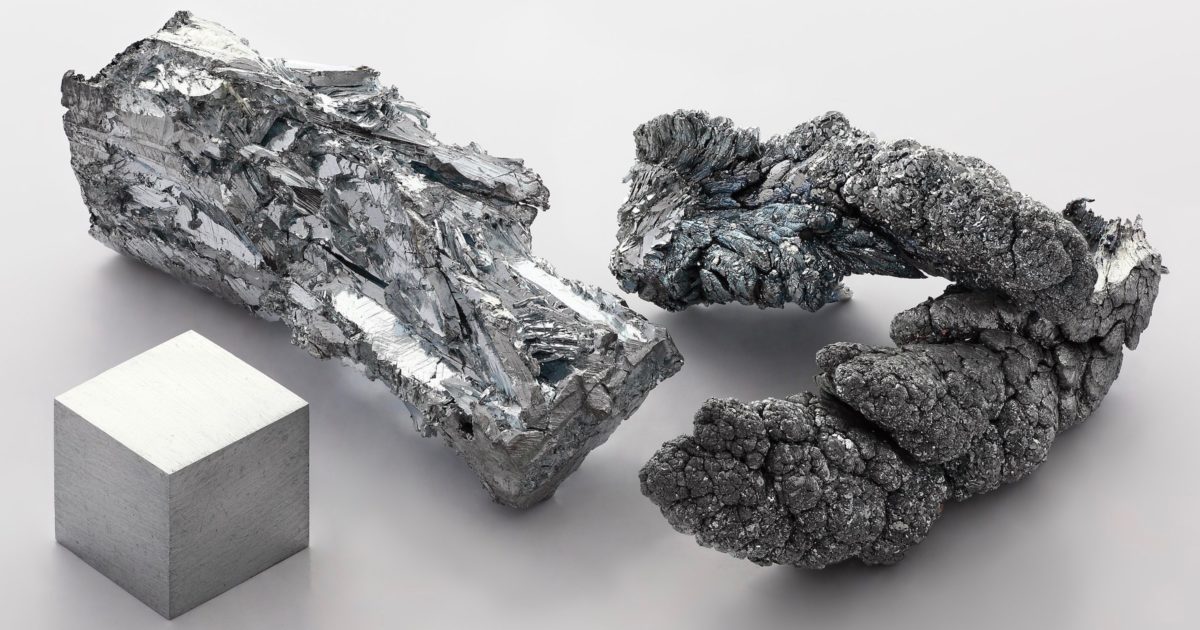
The highly valued optical properties of pearls come from sophisticated processes of biomineralization involving proteins and crystals. Read More ›
Zinc
Photo: Zinc, by Alchemist-hp (talk) (www.pse-mendelejew.de), FAL, via Wikimedia Commons.

Do Proteins Lack Metals, Reflecting Poor Design?

According to Erika DeBenedictis, “one of the big limitations of biology are the basic building blocks themselves.” Read More ›
memory 2

Remember This: Memory Requires Intelligent Design

The brain assists the organization and recall of thoughts by segmenting them and associating them with stimuli. But who is doing the thinking? Read More ›
twinkling

Eyes in a Twinkling? 

In 1991, Richard Dawkins gave a lecture arguing that natural selection can produce complex and seemingly improbable features by an accumulation of small, incremental steps. Read More ›
tendons

Tendons Are Irreducibly Complex

A simple tissue we take for granted turns out to represent another example of irreducible complexity in the human body. Read More ›

© Discovery Institute