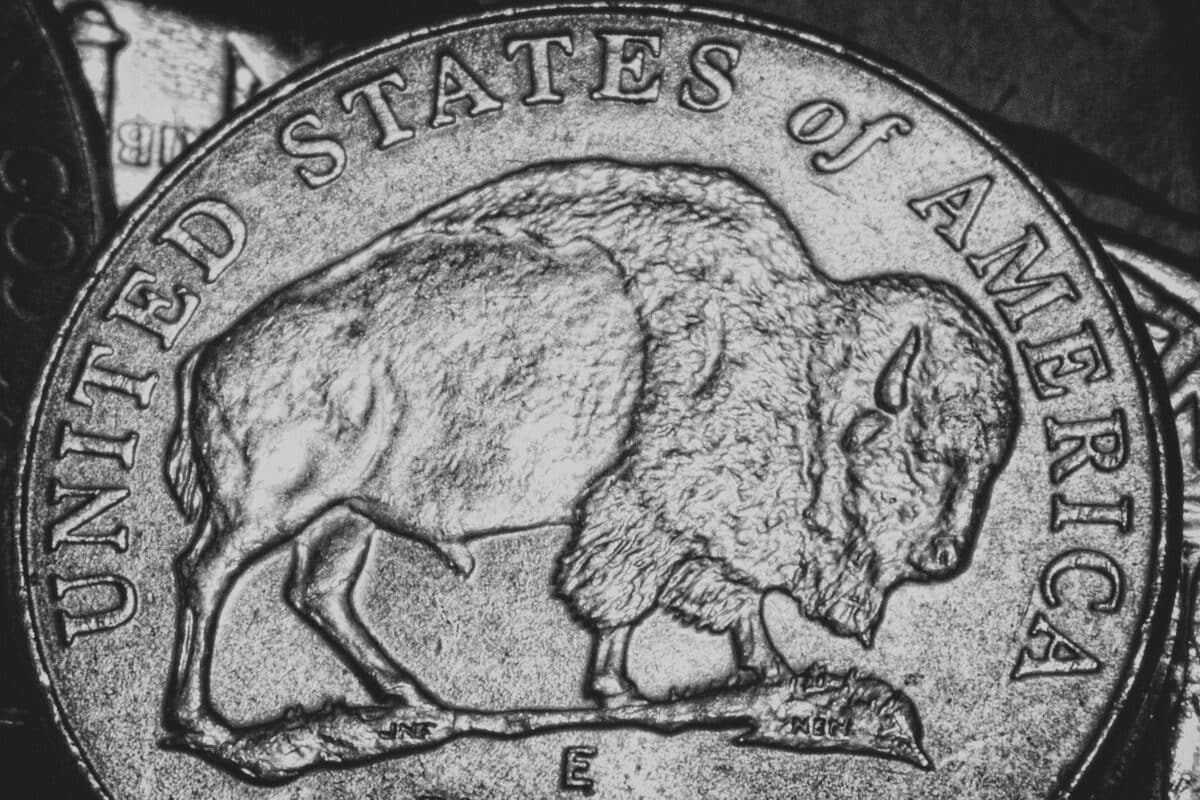
Buffalo nickel Type post Author David Coppedge Date June 8, 2023 CategoriesBiologyIntelligent DesignPhysical Sciences Tagged , archaea, boron, cabbage, Casey Luskin, cobalt, coffee, copper, corn, Dartmouth College, elements, hemoglobin, human body, intelligent design, iron, manganese, Michael Denton, milk, mushrooms, nickel, nuts, onions, organs, oysters, peas, phosphorus, PNAS, potassium, Privileged Species, protein science, The Miracle of the Cell, tissues, Uppsala University, urine, zinc Brother, Can You Spare a Nickel? It’s Essential for Life, and Likely an Indicator of Intelligent Design David Coppedge June 8, 2023 Biology, Intelligent Design, Physical Sciences 9 Nickel is an essential element in the human body, but too much is toxic. Here’s another element our planet had to provide. Read More ›
click beetle Type post Author David Coppedge Date January 31, 2023 CategoriesEngineeringIntelligent DesignLife SciencesScience Tagged , bats, beetles, Biomimetics, CELS, Conference on Engineering in Living Systems, Darwinism, Dogs, echolocation, Engineering Research Group, Howard Glicksman, nacre, Netherlands, New Scientist, nose, oysters, PLOS ONE, Steve Laufmann, Switzerland, University of Illinois, University of Virginia New Engineering Ideas from Biology David Coppedge January 31, 2023 Engineering, Intelligent Design, Life Sciences, Science 9 The 2023 Conference on Engineering in Living Systems, organized by the CSC's Engineering Research Group, is set for June 1-3 in Denton, Texas. Read More ›
common octopus Type post Date July 21, 2022 CategoriesBiologyIntelligent DesignNeuroscience & Mind Tagged , birds, brain, genome, intelligence, intelligent design, invertebrates, jumping genes, junk DNA, mammals, marine invertebrates, octopuses, oysters, transposons, unguided evolution How Octopuses Got So Smart? “Junk DNA” Science & Culture July 21, 2022 Biology, Intelligent Design, Neuroscience & Mind 2 Jumping genes used to be dismissed as junk DNA which in turn was held to be slam-dunk evidence for unguided evolutionary processes. Read More ›
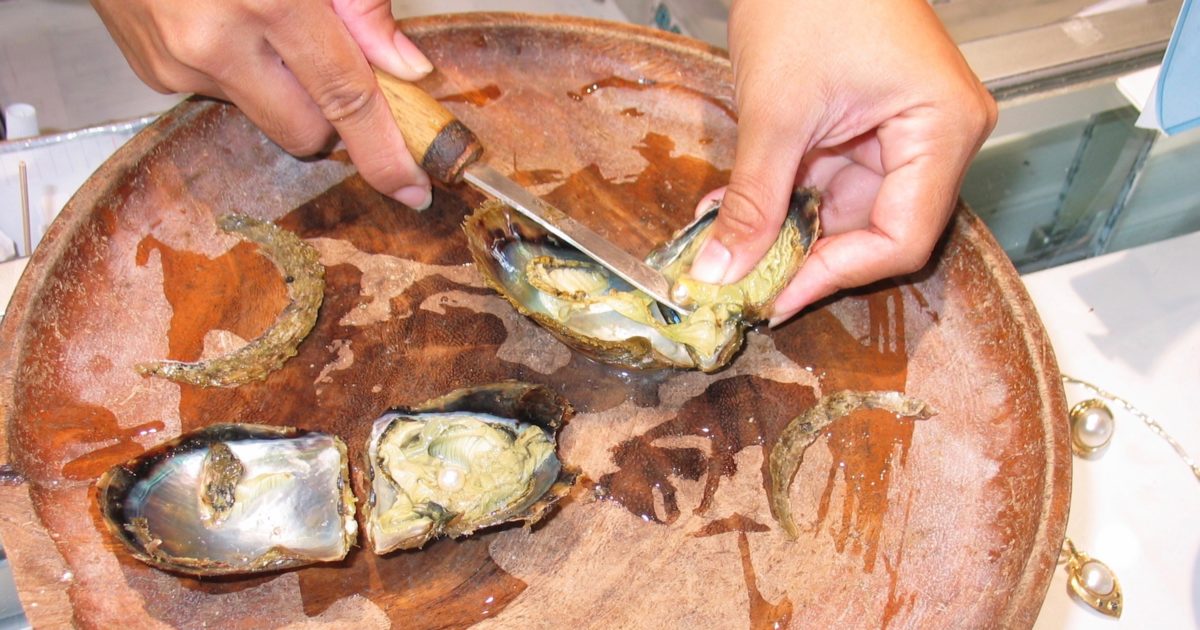
Pearl Oysters Type post Date August 6, 2021 CategoriesIntelligent Design Tagged , amino acids, biomineralization, Charles Darwin, evolution, Germany, intelligent design, Japan, mother-of-pearl, nacre, Natural History Museum, oysters, pearls, PNAS, Scientific Reports, sea urchins, spicules By Design — How Pearls Get Their Luster Science & Culture August 6, 2021 Intelligent Design 7 The highly valued optical properties of pearls come from sophisticated processes of biomineralization involving proteins and crystals. Read More ›
cricket Type post Author Wesley J. Smith Date August 2, 2021 CategoriesBioethicsHuman Exceptionalism Tagged , Aeon, artificial intelligence, bioethicists, chemicals, farming, fruit flies, global warming, honey, insects, oysters, peas, personhood, PETA, sentience Bioethicists: Insects Are People, Too! Wesley J. Smith August 2, 2021 Bioethics, Human Exceptionalism 4 We have even seen one professor declare the supposed personhood of peas. Now, it is insects’ turn at being anthropomorphized. Read More ›
grizzly bear Type post Author Wesley J. Smith Date August 20, 2018 CategoriesBioethicsHuman Exceptionalism Tagged , __cedited, animals, anthropology, flies, grizzly bear, human beings, locomotion, Montana, natural selection, oysters, plankton, sunlight No, We Are Not “Beasts” Wesley J. Smith August 20, 2018 Bioethics, Human Exceptionalism 4 Maxim Loskutoff recounts the time he and his girlfriend were threatened by a grizzly bear while hiking in Montana. Read More ›