



































Science and Culture Today Discovering Design in Nature
Author

Casey Luskin

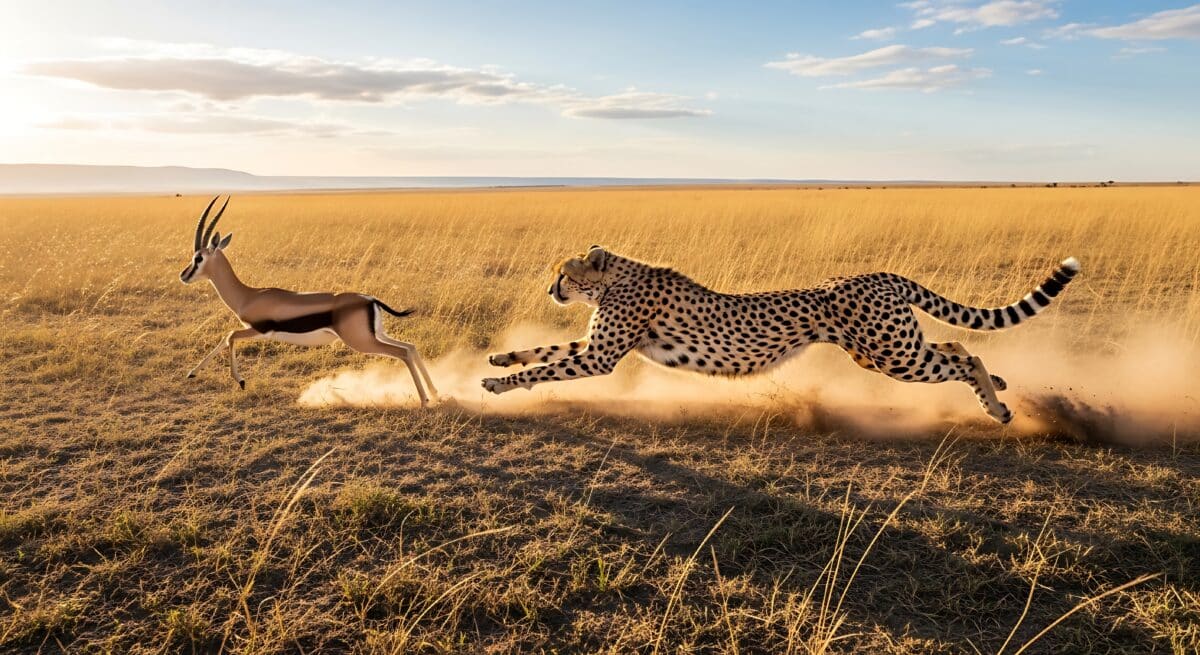
a-cheetah-in-full-pursuit-of-a-gazelle-across-the-african-sa-1951515526-stockpack-adobestock
A cheetah in full pursuit of a gazelle across the African savanna during a dust-filled chase at golden hour
Image Credit: Rion Store - Adobe Stock

On the 30th Anniversary of the CSC, Let’s Take Stock of Intelligent Design

Third Way and EES thinking shows that mainstream science is moving on a compass heading that is right in the direction of intelligent design. Read More ›
Cambrian explosion
Image source: Discovery Institute.

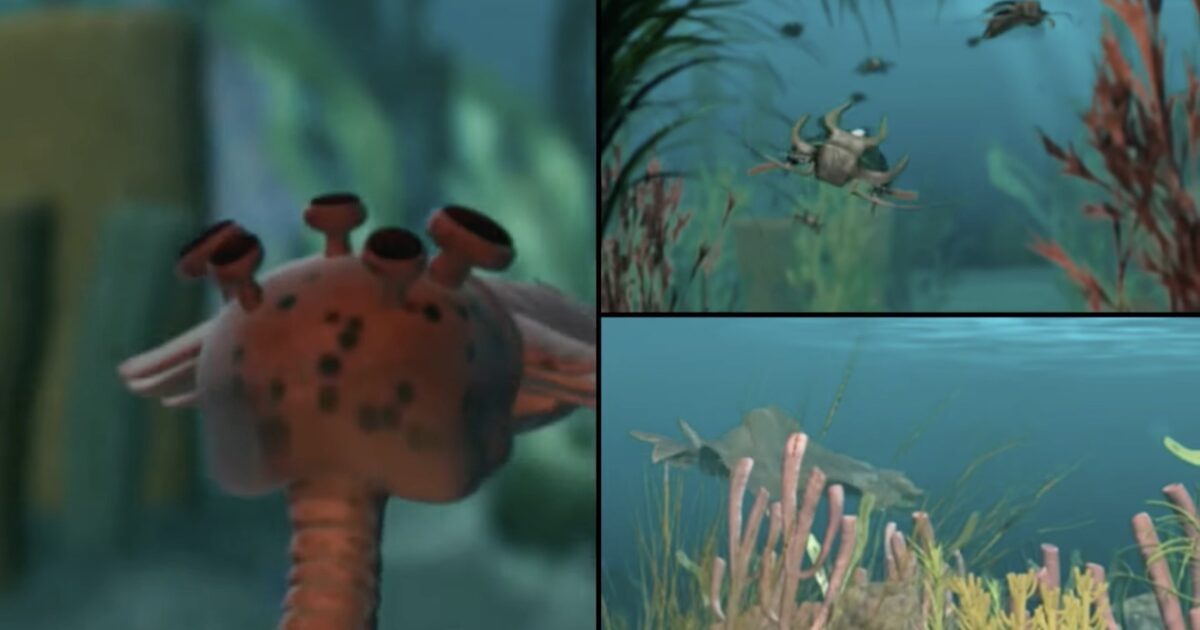
Paper Promotes “Weirdest Theory Yet” for the Cambrian Explosion
First the Oxygen Theory, now the Feces Theory. But how much experience do we really have with feces creating new genetic information? Read More ›
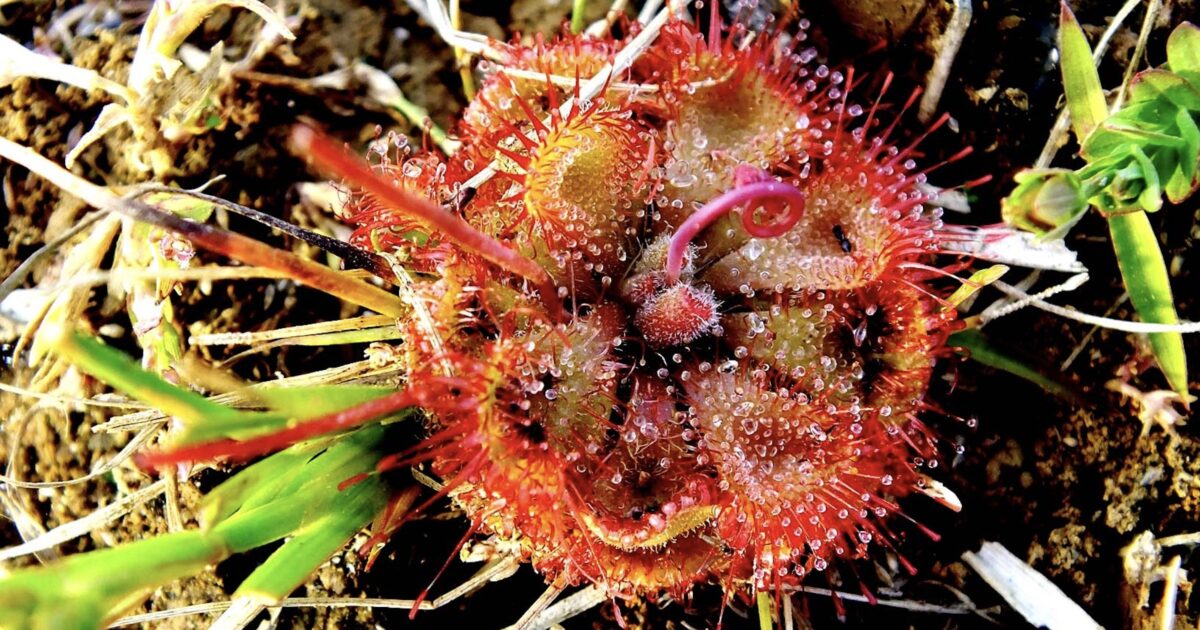
Drosera
Photo: Drosera, by Shiv's fotografia, CC BY-SA 4.0 <https://creativecommons.org/licenses/by-sa/4.0>, via Wikimedia Commons.

Darwin’s Black Box at 30: The Evidence Wins!

Macrobiological features have been cited as irreducibly complex, including animal joints and the trap mechanisms of carnivorous plants, even the cell itself. Read More ›
modern-white-laboratory-interior-with-scientists-in-lab-coat-1873267675-stockpack-adobestock
Modern white laboratory interior with scientists in lab coats working on computers and test tubes, motion blur effect for dynamic research scene
Image Credit: Carl - Adobe Stock

New Peer-Reviewed Paper Provides a How-To Manual for Using ID to Guide Research

The paper explains what the theory of intelligent design is and how it can be used to generate testable scientific predictions, or “expectations.” Read More ›
two-scientists-wear-futuristic-goggles-analyze-complex-data-1799541044-stockpack-adobestock
Two scientists wear futuristic goggles, analyze complex data on transparent screen. Work together in modern lab, conducting research, development. Advanced tech helps innovation, showing digital info
Image Credit: miss irine - Adobe Stock

Papers: Argumentation and Surprise Are Best Ways to Do Good Science

I’m sure the authors of these papers didn’t mean to pay ID any compliments, but everything we’ve seen here closely tracks with intelligent design literature. Read More ›
cells-under-microscope-biology-background-236117051-stockpack-adobestock
Cells under microscope. Biology background
Image Credit: SmirkDingo - Adobe Stock

“SpudCell”: More Evidence that Origin of Life Requires Intelligent Design
This is most curious. SpudCell’s creators are boasting that it has “a much smaller genome” than any other known living cell. Read More ›
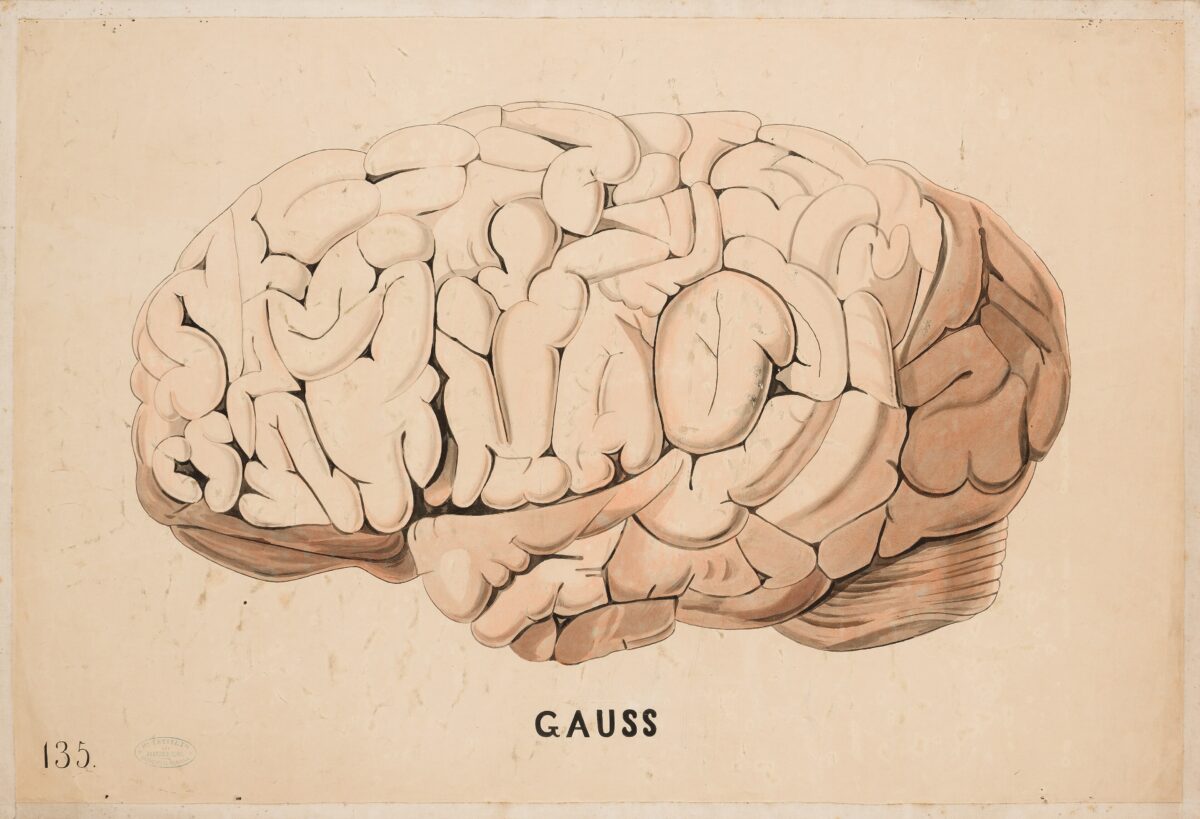
MACTAV0028aTavolaparietaleGauss
Image source: Museo di Anatomia comparata Giovanni Battista Grassi, Public domain, via Wikimedia Commons.

Science Journal: Humanity’s Big Brains Evolved “For No Particular Reason”
This is tantamount to saying the human brain, chief marvel in the cosmos as far as we can tell, evolved because, well, why the heck not? Read More ›
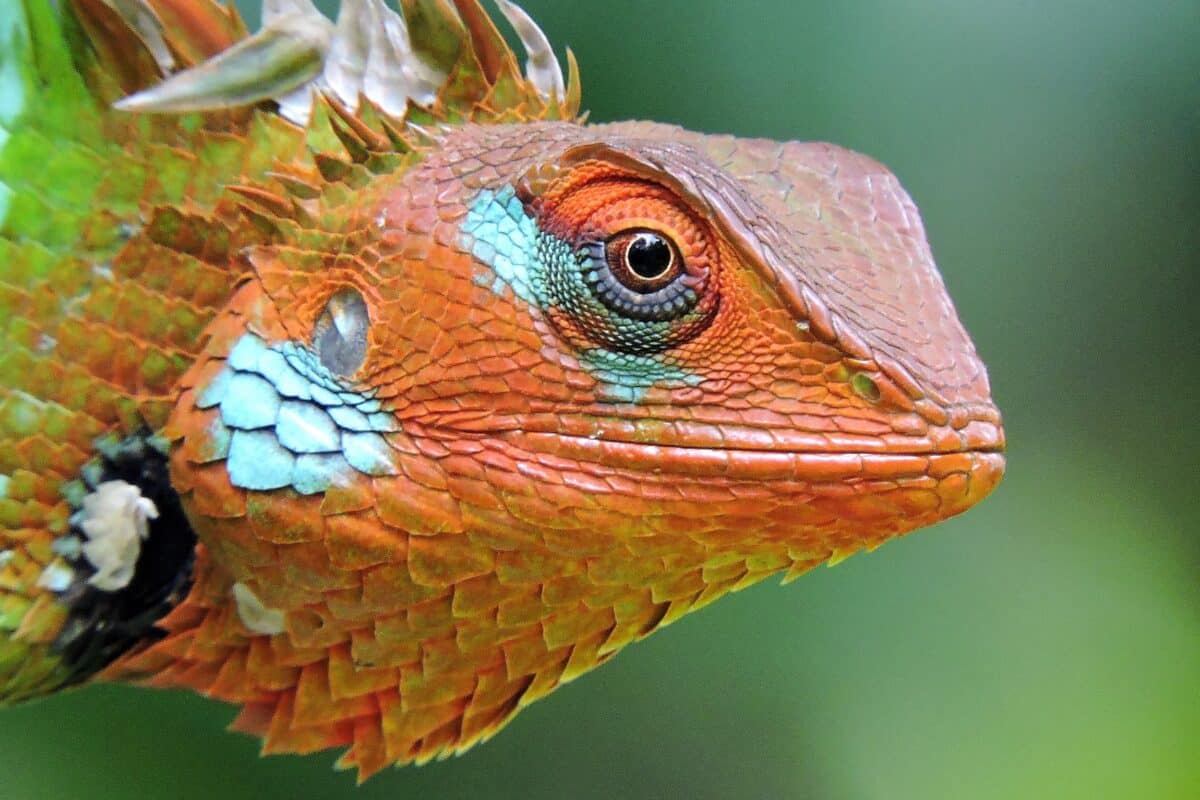
ThelizardofLizard
Photo credit: BGK Gayashan, CC BY-SA 4.0 <https://creativecommons.org/licenses/by-sa/4.0>, via Wikimedia Commons.

McGill University Refutes Pop-Psychology Claim that Humans Have a “Lizard Brain”

The false belief traces back to the fact that Carl Sagan was one of its strongest proponents. Read More ›
20230711breastfeedingNeanderthalwomanHomoneanderthalens
Photo: A Neanderthal breastfeeds her baby, sculpture, Silesian Zoological Garden, Chorzów, Poland, by Abraham, CC BY-SA 4.0 <https://creativecommons.org/licenses/by-sa/4.0>, via Wikimedia Commons.

Paper: Neanderthal Babies Developed Like Modern Humans
Don’t miss the words of Professor Uthmeier: “both human forms.” What he’s saying is that both Neanderthals and modern humans were “human forms.” Read More ›
digital-illustration-of-a-dna-stockpack-adobe-stock-32859465-stockpack-adobestock
Digital illustration of a dna
Image Credit: adimas - Adobe Stock

Paper in Cell Reports “Paradigm Shift” Against TEs as “Genomic Parasites or Junk DNA”

This language is remarkable coming from a journal often considered the third most important in the world for biology. Read More ›

© Discovery Institute