






































Science and Culture Today Discovering Design in Nature
Topic

Aristotle

ArtTriangle14509
Photo credit: seavipleo, CC BY-SA 2.0 <https://creativecommons.org/licenses/by-sa/2.0>, via Wikimedia Commons.

How Can We Conceive of Perfection When We Never Experience It?

There are two ways we can think of a triangle. One way is to form a mental image, likely based on a triangle we have seen on a piece of paper. Read More ›
mind
Photo credit: Jr Korpa via Unsplash.

The Immortal Mind: How Neuroscience Points Beyond Materialism
Dr. Egnor challenges the Darwinian view, arguing that abstract thought and free will are immaterial and could not have arisen via natural selection. Read More ›
CataniaandMountEtnaMETDP169645
Image: Mount Etna, by Edward Lear, CC0, via Wikimedia Commons.

Settled Science Is Becoming Radically Unsettled: Get Ready for Revolutions
It might be early to say whether Richard Sternberg's calculations are correct — but the point is, this kind of calculation is only just becoming possible. Read More ›
Platos-Revenge
Image source: Discovery Institute Press.

Eavesdropping in the Platonic Academy 
I can relate to the paleontologist Günter Bechly, who, after hearing Sternberg lay out his thesis, lay awake unable to sleep as he considered the implications. Read More ›
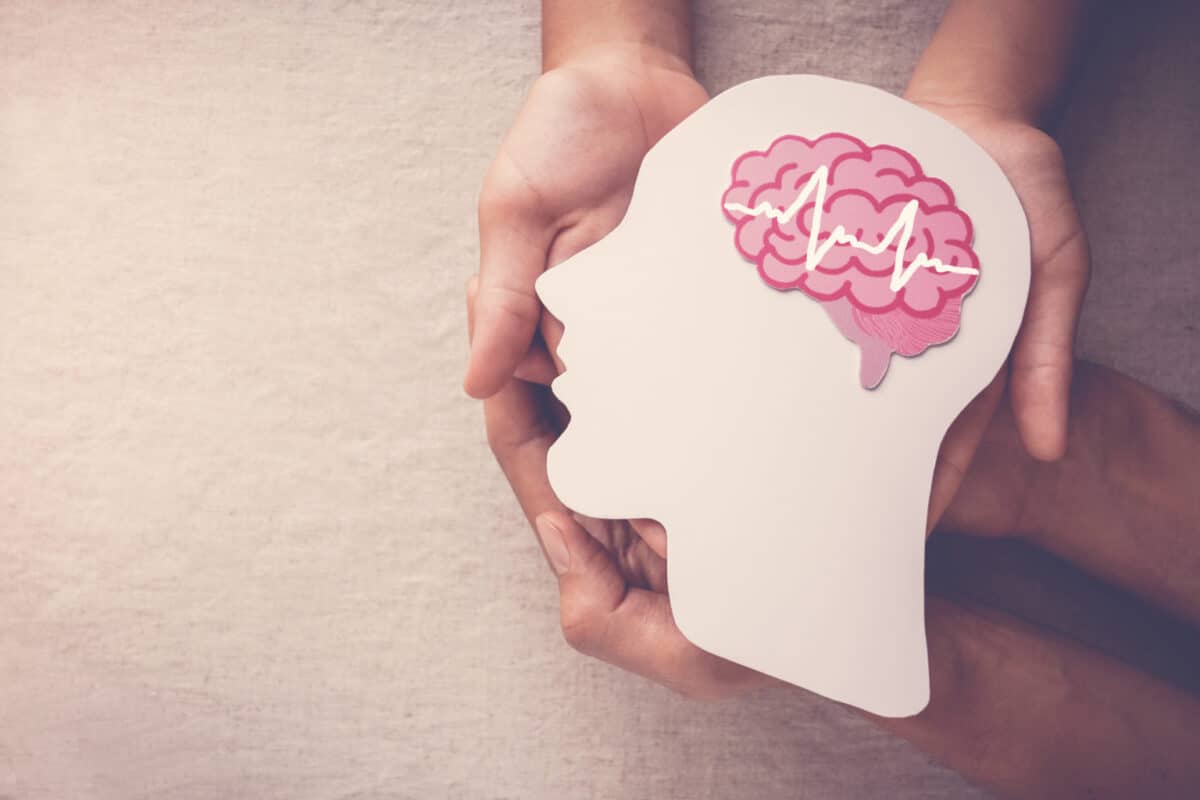
adult-and-child-hands-holding-encephalography-brain-paper-cu
Image credit: sewcream - Adobe Stock.

What Epilepsy Can Teach About the Mind
I have treated thousands of patients with epilepsy. Seizures can result in a variety of behaviors and emotions. But let me tell you what they don't do. Read More ›
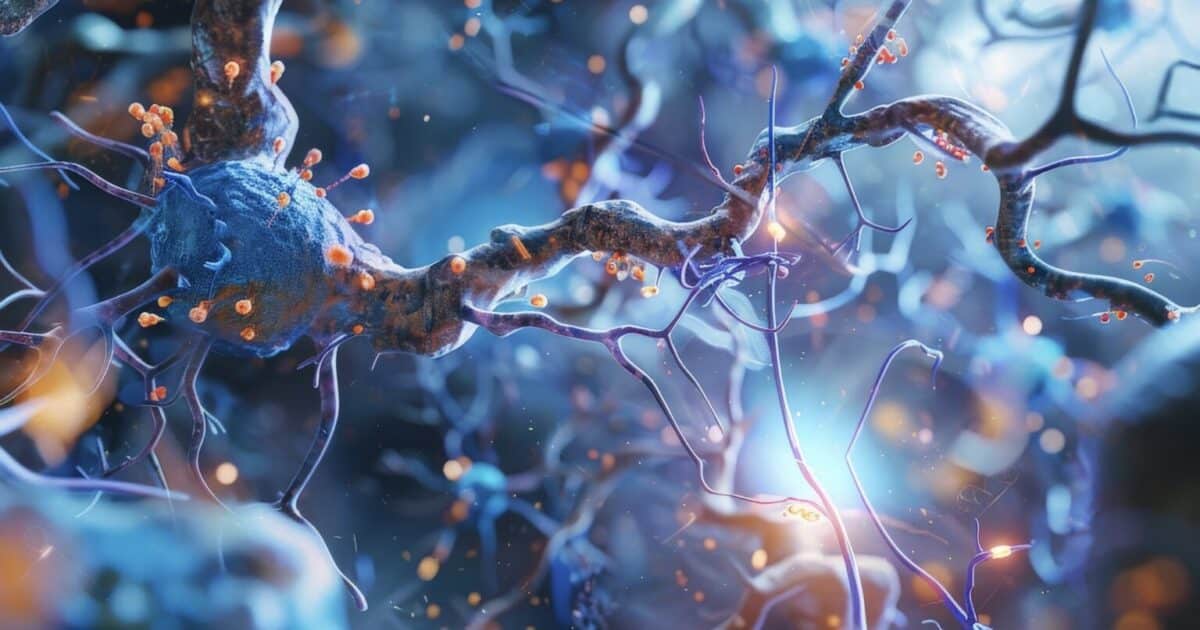
neural-landscape-with-densely-packed-neurons-selective-focus
Image credit: EC Tech - Adobe Stock.

The Logical Basis of the Immaterial Mind
The indeterminacy of matter precludes brain states from forming the basis of abstract thought. Simple logic points to this truth. Read More ›
Barham
Image source: William Dembski.

The Emergence of Freedom: A New Book by James Barham
Barham’s approach to teleology in nature is, if anything, Aristotelian. Indeed, Aristotle is the most cited person in the index of his book. Read More ›
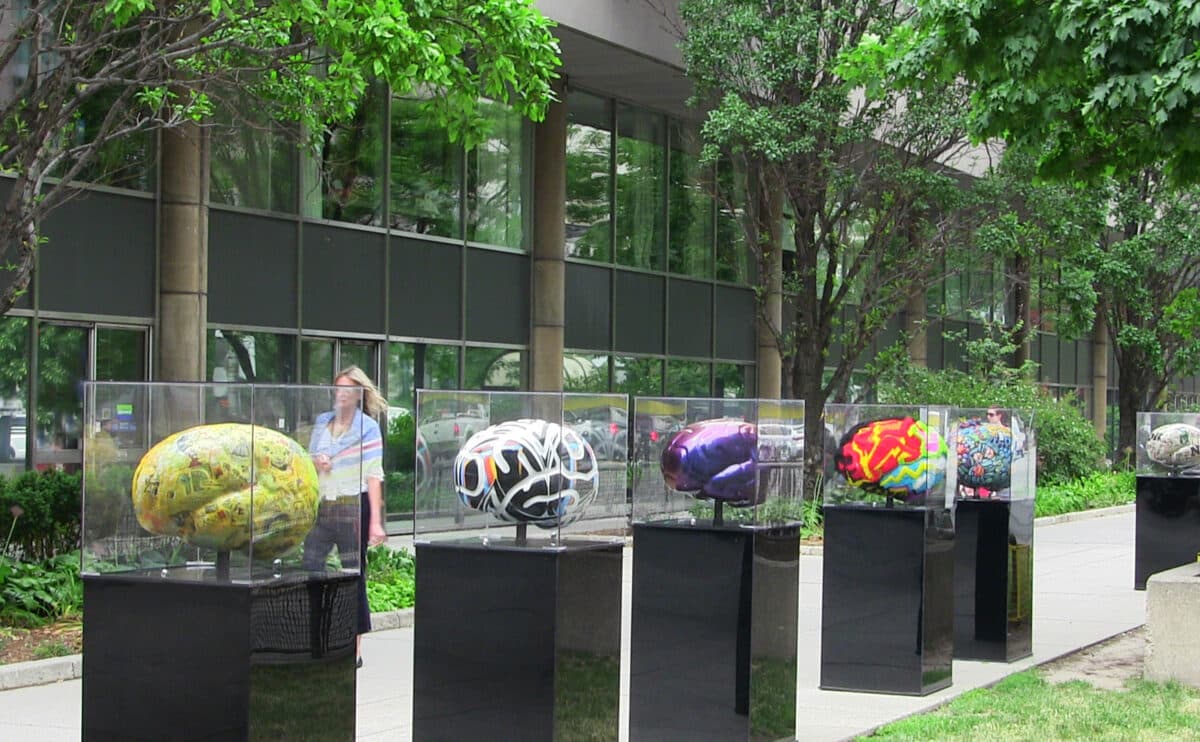
Brain_Project_(31729250445)
Photo credit: Sharon VanderKaay from Toronto, Canada, CC BY 2.0 <https://creativecommons.org/licenses/by/2.0>, via Wikimedia Commons.

Looking for Consciousness in All the Wrong Places

If concept cells nestled in the hippocampi were the seat of consciousness, bilateral hippocampal destruction would cause loss of consciousness. It doesn’t. Read More ›
michel-grolet-2U3pJurEWJI-unsplash
Photo credit: Michel Grolet via Unsplash.

Clinical Psychologist Supports Human Exceptionalism
Gregg Henriques, a secular humanist, has developed an approach that accepts human exceptionalism without denying that animals have mental abilities. Read More ›
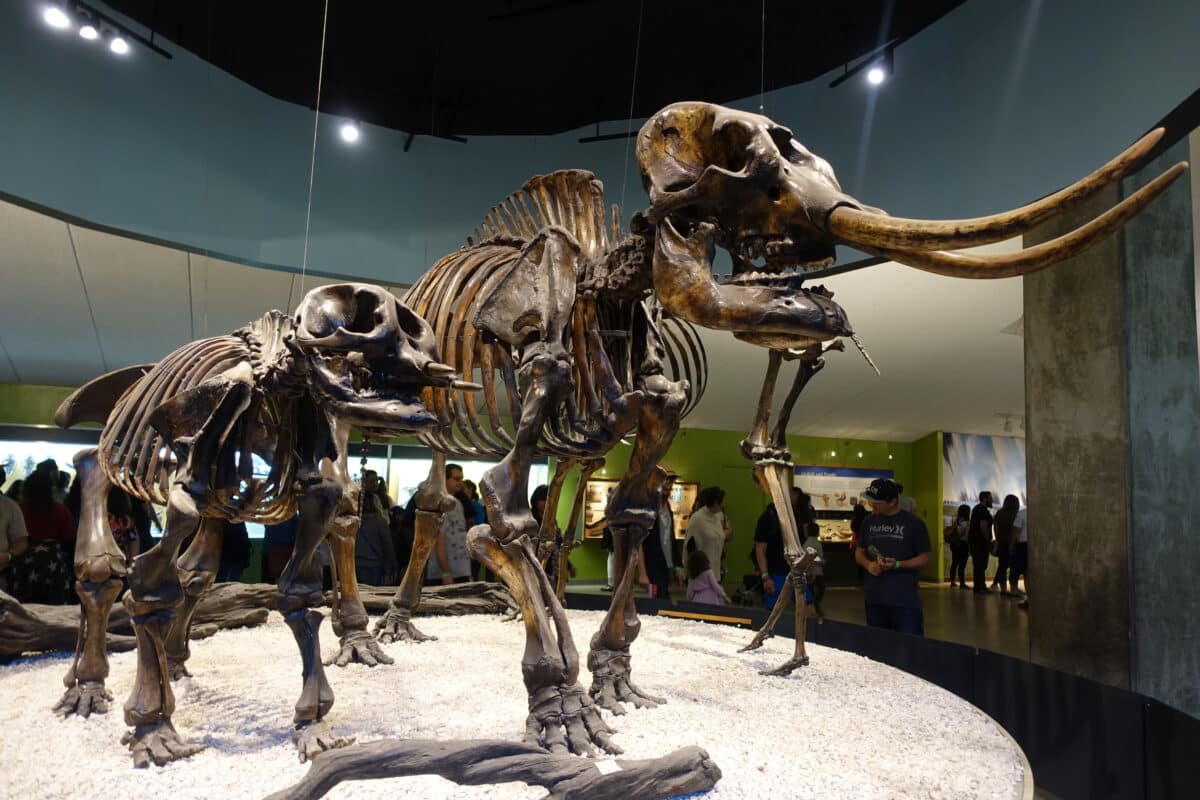
American_mastodon_with_calf
Photo: American mastodons, by Jeremy Thompson, CC BY 2.0 <https://creativecommons.org/licenses/by/2.0>, via Wikimedia Commons.

The Metaphysics of Irreducible Complexity

The vastness of life’s complexity is no longer unfathomable when seen through the light of purpose. Read More ›

© Discovery Institute