






































Science and Culture Today Discovering Design in Nature
Topic

endoplasmic reticulum
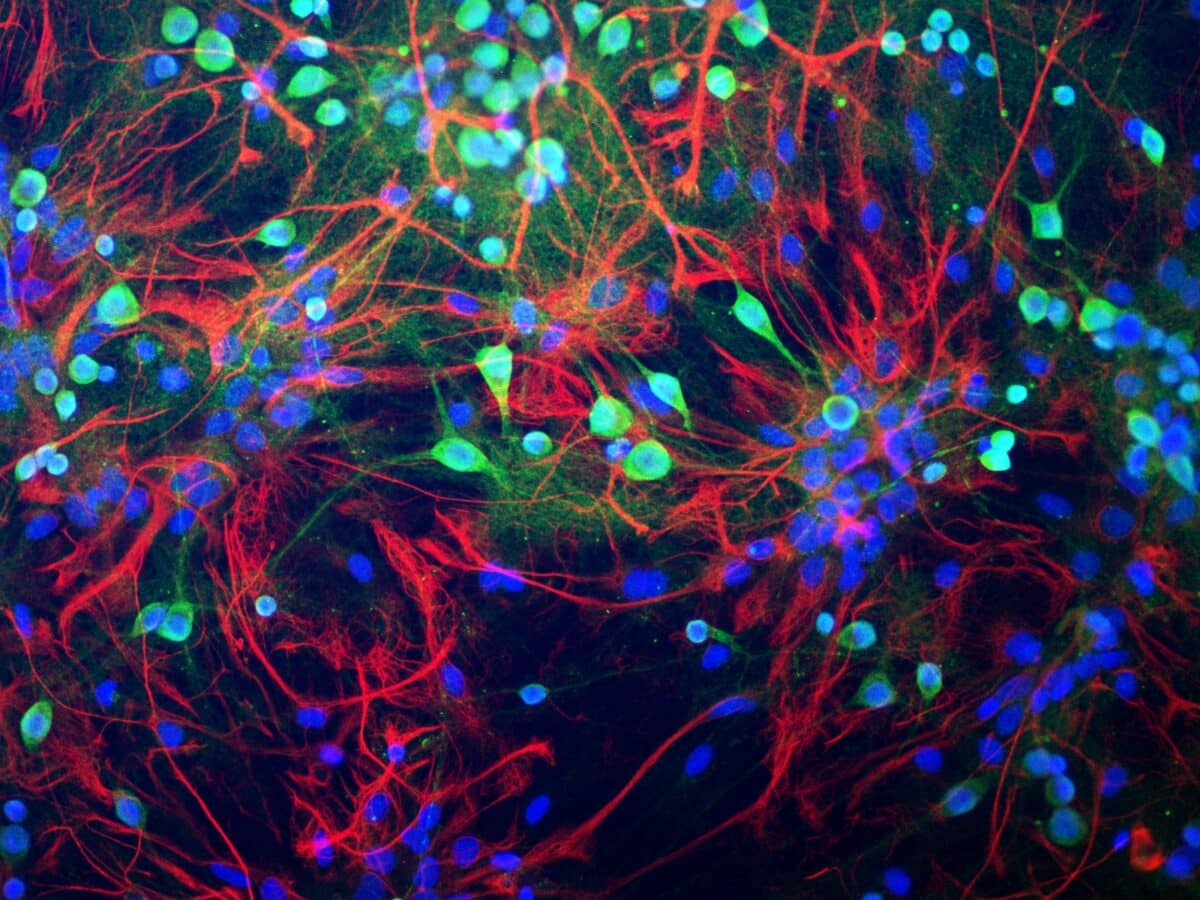
Chk-UCH1-GFAP-20X-1
Photo: Nerve cells, via Wikimedia Commons.

New Paper Examines How the Complexity of Glycan Structures Points to Intelligent Design

"This is, of course, important in order for a kidney cell to be and function as a kidney cell, a nerve cell to function as a nerve cell, and so forth." Read More ›
aaron-lee-WrPmNpKQUUY-unsplash
Photo credit: Aaron Lee via Unsplash.

Sense of Touch Is More Finely Tuned than We Thought
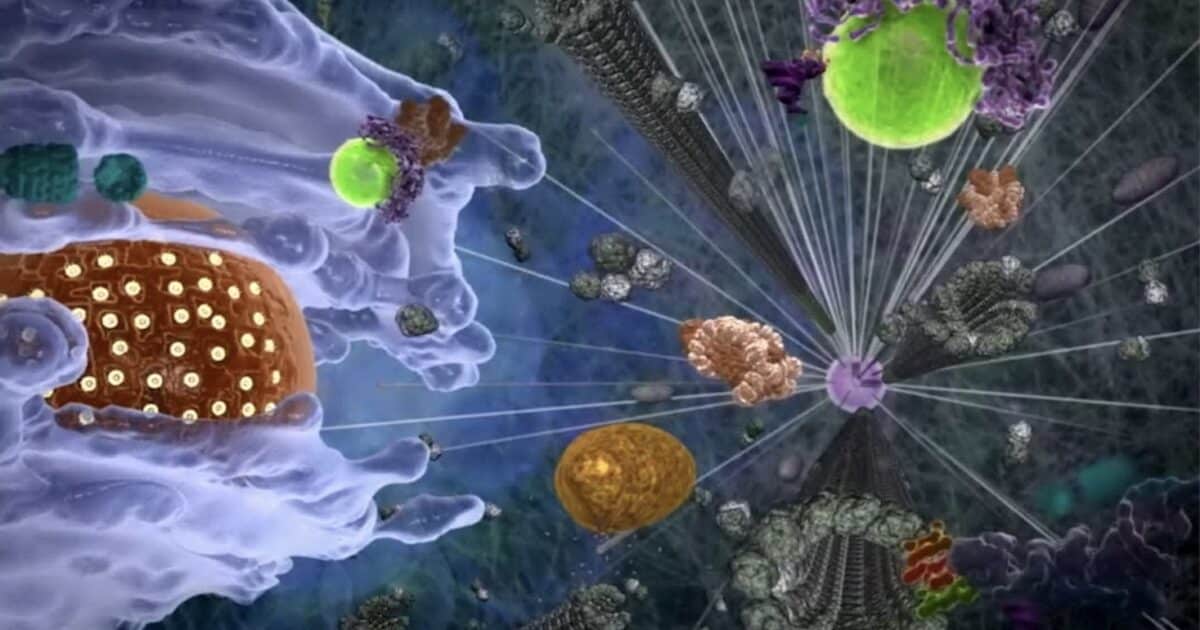
Like machines that deliver goods or open doors at the push of a button, mechanosensitive channels respond on contact. Read More ›
cell
Image credit: Illustra Media.

Getting It Together: Tethers, Handshakes, and Multitaskers in the Cell

Running a cell requires coordination. How do molecules moving in the dark interior of a cell know how and when to connect? Protein tethers offer new clues. Read More ›
muscles
Photo credit: Edgar Chaparro, via Unsplash.

Understanding the Biochemistry — and Intelligent Design — of Muscle Contraction
Muscle contraction, which we so easily take for granted, is an incredibly complex and elegant process. Read More ›
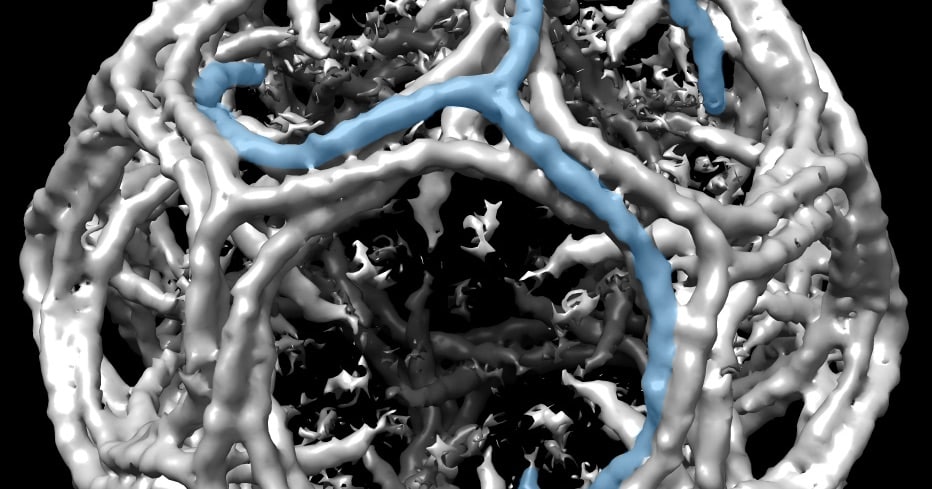
clathrin cage
Photo: Clathrin cage, by Mazuraan, CC BY-SA 4.0 <https://creativecommons.org/licenses/by-sa/4.0>, via Wikimedia Commons.

Cell Vesicles Wear Sophisticated Coats, Defying Unguided Evolutionary Explanations

These coats, and the accessory proteins that build them, attach them to vesicles, and disassemble them, exhibit irreducible complexity. Read More ›
engineering
Photo credit: ThisisEngineering RAEng, via Unsplash.

Engineering Language Enters Biology — The Case of the Endosome

An automated engineering system presupposes a designer with foresight and a mind that understands how to make things work. Read More ›
dynein
intelligent design

Journal Prints “Intelligent Design”! But…

The phrase “intelligent design” is almost verboten in today’s science journals. Watch how an evolutionist got away with it — with the journal’s blessing. Read More ›

© Discovery Institute