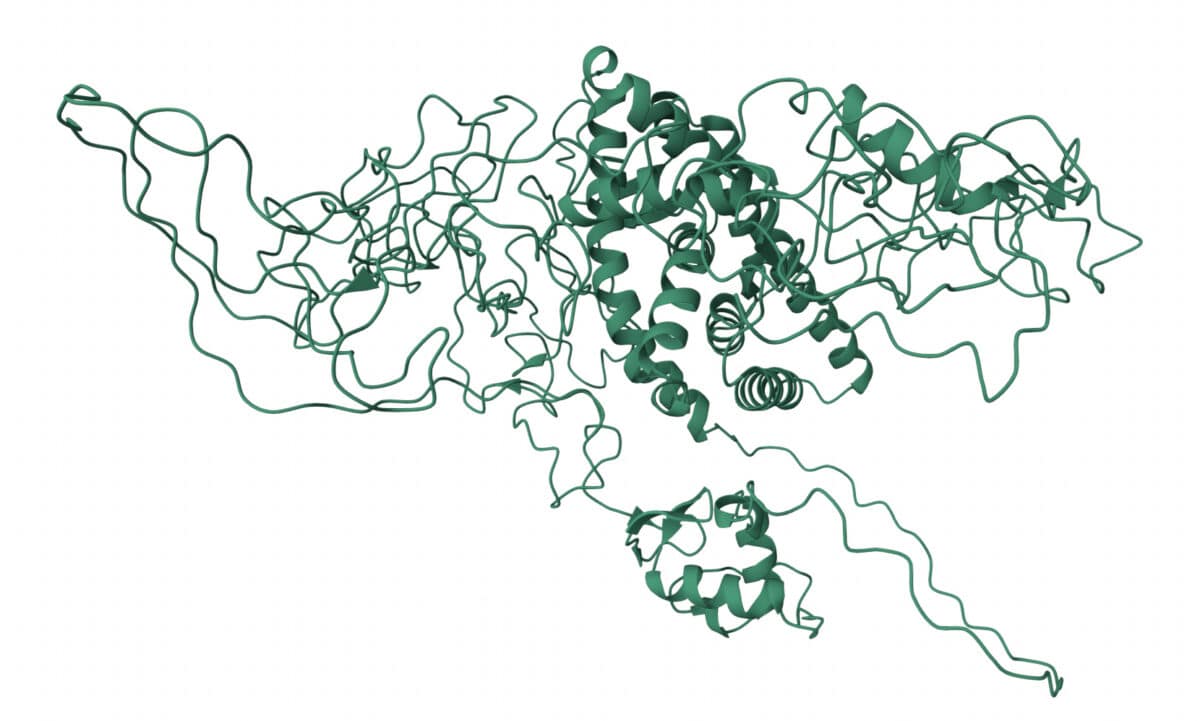
protein Type post Author David Coppedge Date June 25, 2026 CategoriesEvolutionIntelligent Design Tagged , AlphaFold, biochemistry, central dogma, condensates, conservation, Darwinian theory, devolution, disease, DNA, evolutionarily conserved, function, genetics, genome, IDR-ome, intrinsically disordered proteins, intrinsically disordered regions, Levinthal paradox, mutations, original design, PNAS, polypeptides, proteins, proteome, sequence conservation, unevolved Active Matter: Newfound Order in “Disordered” Proteins David Coppedge June 25, 2026 Evolution, Intelligent Design 8 Intrinsically disordered regions of proteins may not be functionless after all. They appear to be multi-functional. Read More ›
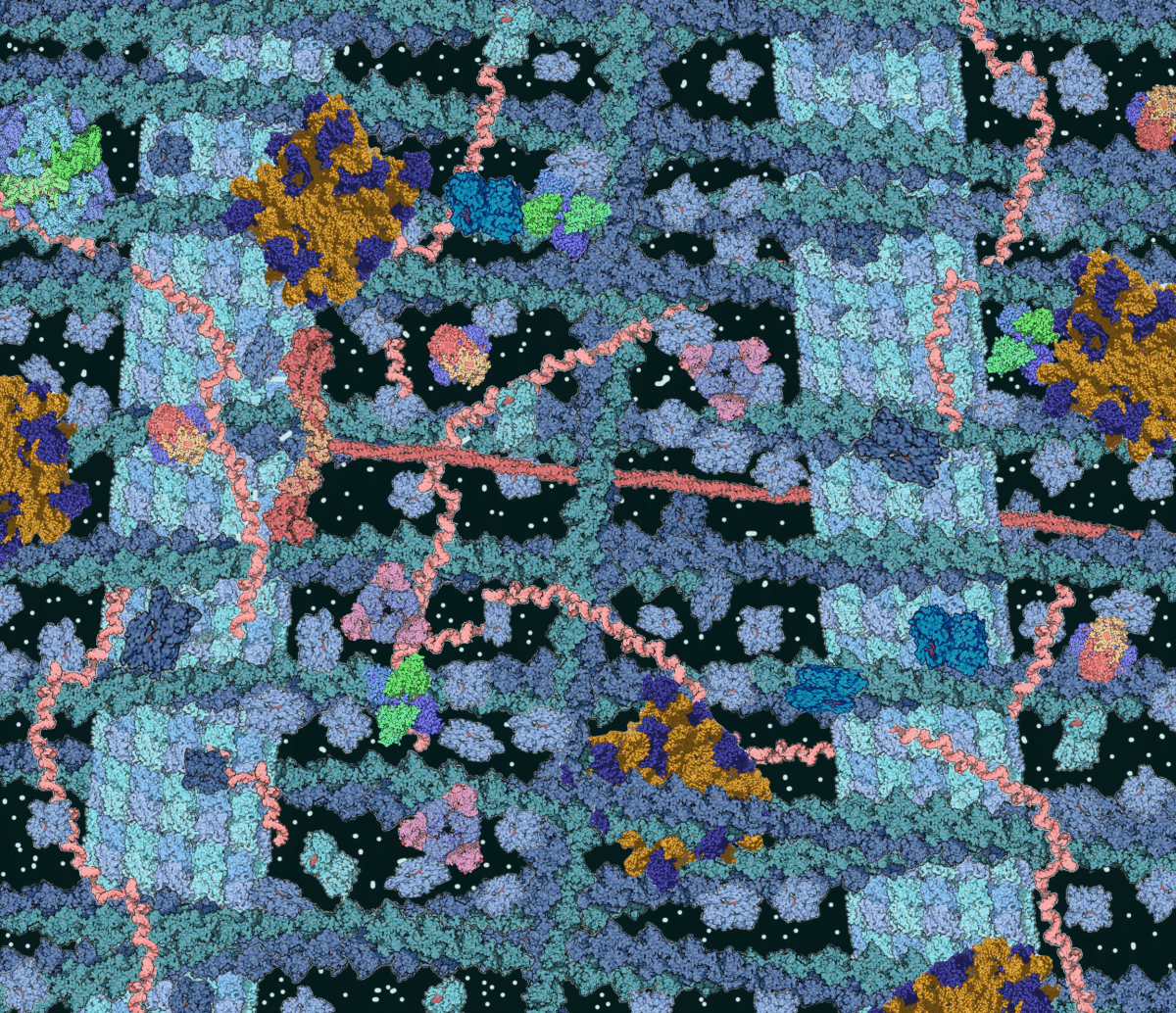
Cytosol Type post Author Stephen J. Iacoboni Date March 18, 2026 CategoriesBiologyIntelligent Design Tagged , 3D spatial organization, active matter, Aristotle, biology, cargo recognition, cascades, cells, condensates, cycles, cytoplasm, Darwin's Black Box, dissipative systems, DNA transcription, droplets, electrolytes, endoplasmic reticulum, Energy, enzyme activity, function, goal-directedness, Golgi bodies, Ilya Prigogine, intentionality, intracellular landscape, living systems, lysosomes, machines, macromolecules, matter, mechanism, medical school, Michael Behe, mitochondria, molecular biology, molecular grammar, naturalism, neo-Darwinian evolution, nucleus, organisms, physics, Riccardo Babic, scaffolding, Science and Culture Today, science of purpose, signaling cascades, St. Thomas Aquinas, structure, TCA cycle, telos, tornadoes, Trends in Biochemical Sciences, Velcro, whirlpools Active Matter: How Function Determines Structure Stephen J. Iacoboni March 18, 2026 Biology, Intelligent Design 8 As always, the approach of naturalism is to reduce the complexity of natural phenomena to basic physical laws. Read More ›