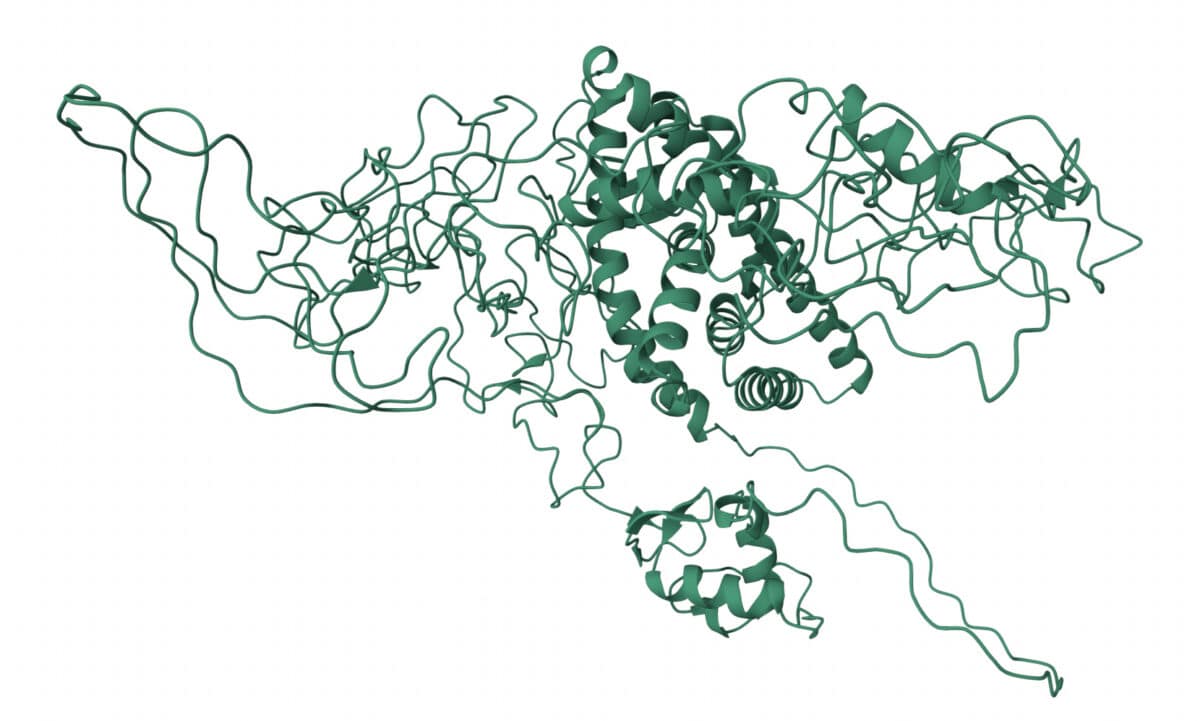
protein Type post Author David Coppedge Date June 25, 2026 CategoriesEvolutionIntelligent Design Tagged , AlphaFold, biochemistry, central dogma, condensates, conservation, Darwinian theory, devolution, disease, DNA, evolutionarily conserved, function, genetics, genome, IDR-ome, intrinsically disordered proteins, intrinsically disordered regions, Levinthal paradox, mutations, original design, PNAS, polypeptides, proteins, proteome, sequence conservation, unevolved Active Matter: Newfound Order in “Disordered” Proteins David Coppedge June 25, 2026 Evolution, Intelligent Design 8 Intrinsically disordered regions of proteins may not be functionless after all. They appear to be multi-functional. Read More ›
raccoon Type post Author Casey Luskin Date May 28, 2026 CategoriesEvolutionGeneticsIntelligent Design Tagged , biochemistry, DNA, DNA transcription, ENCODE project, evolution, functionality, genetics, genome, human genome, intelligent design, junk DNA, junk RNA, Long Story Short, mammalian genome, mouse, native genome, Nature (journal), Nobel Prize, noise, noncoding RNAs, proteins, Puffin-D, RNA, RNA sequences, sequence conservation, sequences, Thomas Cech, yeast Garbage Goodbye: In Blow to Junk RNA, “Majority” of Transcription Not “Background Noise” Casey Luskin May 28, 2026 Evolution, Genetics, Intelligent Design 8 A 2026 paper reports on an AI trained on genomic data, including data from a 2024 paper, enabling it to predict when transcription would be initiated. Read More ›